

 +44-7897-074717
Research Article - African Journal of Food Science and Technology ( 2025) Volume 16, Issue 1
Received: 21-Sep-2024, Manuscript No. AJFST-24-148567; Editor assigned: 23-Sep-2024, Pre QC No. AJFST-24-148567 (PQ); Reviewed: 07-Oct-2024, QC No. AJFST-24-148567; Revised: 12-Feb-2025, Manuscript No. AJFST-24-148567 (R); Published: 19-Feb-2025
Nearly half the world's population relies on biomass as a primary energy source. This fuel source constitutes to be the biggest in the developing world such as Sub Sub-Saharan Africa. Ethiopia heavily consumes biomass with a share of 86.6% of the total energy supply. However, its utilization in the domestic sector is mostly inefficient and results in environmental hazards, resource wastage, and indoor air pollution. The existing improved cook stoves in the country have many problems such as low thermal efficien cy. This paper focuses on developing and testing of a forced top top-lit updraft gasifier stove by modifying existing similar stoves for application in pre pre-urban and urban households. During design and fabrication of the prototype a main technique of air stagi ng was taken into consideration which is essential in providing uniform preheated airflow and allowing a better mix of air and fuel for multi fuel usage and user friendliness as a design objective. Moreover, performance evaluation of the prototype was eval uated with different available fuels in local areas (like eucalyptus wood chips, cow dung, and charcoal) and different primary inlet area a diameter of 25 mm, 20 mm and 15 mm respectively using Water Boiling Test (WBT) and Controlled Cooking Test (CCT) met hods. The findings from the Water Boiling Test (WBT) show the average thermal efficiency of 36 % for three of the fuels used during the test. For charcoal as fuel, its thermal efficiency exceeds 38%. Moreover, the average time to boil for all fuels used was obtained around 18 minutes. And the outside surface temperature of the stove was 39 39℃ which indicate it is safe for operation. Finally, this result will contribute a good insight into providing modern energy access for basic needs of cooking applications in the area. And furthermore, adding an air staging technique supports the stove to be used for multi fuel available with better performance performance.
Gasifier cook stoves, Air staging, WBT, Biomass fuels, Forced
AVUD: Another Variation Updraft; BMG: Biomass Gasification; BTG: Biomass Technology Group; Btu: British thermal unit(s); BFB: Bubbling Fluidised Bed; CSU: California State University; CC: Controlled Cooking test; CO: Carbon monoxide; CO2: Carbon dioxide; COPD: Chronic Obstructive Pulmonary Disease; CHP: Combined Heat and Power; CV: Calorific Value; GHG: Greenhouse Gases; HAP: Household Air Pollution; HC: Hydrocarbons; KCJ: Kenyan Ceramic Jocko; KPT: Kitchen Performance Tests; ð??ð??â??: Kilowatt-hour; NGOs: Non-Governmental Organizations; ð??ð¶ð??ð??ð?¡: Moisture Content Wet; MW: Mega Watts; ð??ð?¤ð??: Megawatt electric; MJ: Mega Joules (106 joules); PICs: Products of Incomplete Combustion; PJ: Penta Joule; SFC: Specific Fuel Consumption; WBT: Water Boiling Test; TLUD: Top Lit Updraft
Biomass is defined as wood, charcoal, vegetation, agricultural residue, and dung. Using this solid biomass for cooking and heating results in Household Air Pollution (HAP) comprised of gaseous emissions including Carbon Monoxide (CO), many hundreds of saturated, unsaturated, polycyclic aromatic, mono aromatic hydrocarbons, and oxygenated organics such as phenols, organic alcohols, aldehydes, chlorinated organics, free radicals, and particulate matter, which act as carcinogenic, mutagenic, redox-active, neurotoxic, as well as allergenic agents (Naeher L et al., 2007). Exposure to HAP such as toxic gases results in a significant global burden of morbidity and mortality (Vasco H et al., 2009).
Closer to 4 million people die prematurely from illness caused by household air pollution in practicing to cook inefficiently using polluting stoves coupled with solid biomass fuels (wood, animal manure, and crop waste) (Gabisa E et al., 2018). Household air pollution causes noncommunicable diseases like stroke, Chronic Obstructive Pulmonary Disease (COPD), and lung cancer (Gamtessa S, 2003). Half of the death due to pneumonia among children who are under 5 years of age are caused by particulate matter (soot) inhaled from household air pollution (Panwar N, 2009).
The majority of the populations affected are living in developing countries (Kshirsagar M et al., 2014). Many households in this part of the developing world find modern energy alternatives like liquid and gaseous fuels and electricity too expensive or too irregularly supplied to use for cooking and therefore continue to rely on the cheapest and vastly available biomass fuels (Tadesse A et al., 2020). In Sub Saharan countries, the biomass resources with greater potential are used mainly by direct burning in open fire systems which becomes a cause for indoor air pollution that contributes to health problems of women and children as these sections of the community have direct exposure to the risk (Stream E, 2011). Distinct regional differences also appear: On the map in Figure 1 darker shades of red indicate high percentages of solid fuel use, most prevalent in Sub-Saharan Africa.
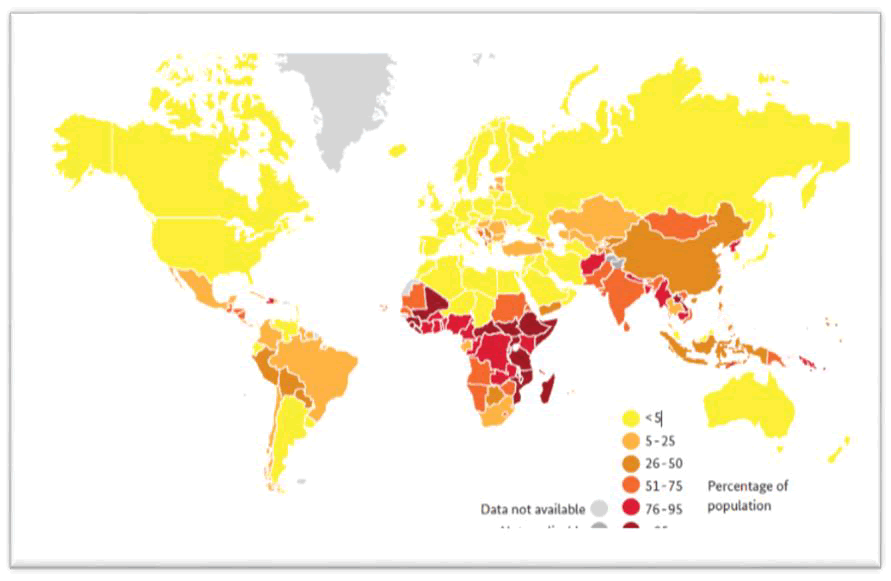
Figure 1. Percentage of population using biomass fuel.
Ethiopia’s energy situation
Like most sub-Saharan developing countries, Ethiopia heavily consumes biomass as a primary energy source and shares these many problems related to an inefficient way of cooking practices by using biomass (Mamuye F et al., 2018). Ethiopia has one of the lowest rates of access to modern energy services (Roth C, 2013). The largest segment of the country is consuming energy nearly entirely from biomass (woody biomass agricultural residues, cattle dung, and charcoal) (Diez H et al., 2018). With a share of 86.65% of energy supply, followed by oil (10.01%) and hydropower (3%) (Figure 2).
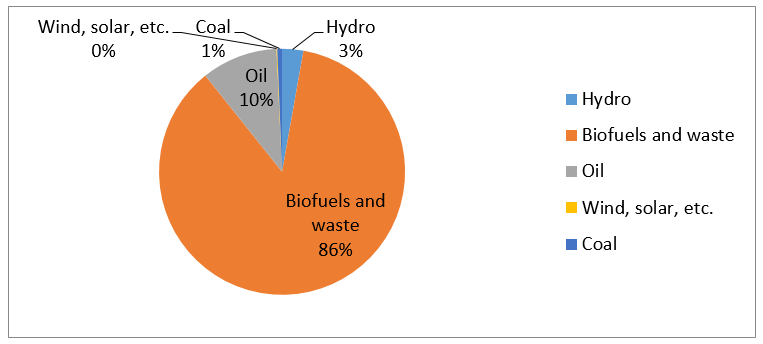
Figure 2. Share of primary energy usage in Ethiopia.
The recoverable bio-energy potential in Ethiopia distributed according to different feedstocks was estimated at a total of about 750 PJ per year (Patel S et al., 2018). The data also shows that the share of bio-energy potential from livestock waste, agricultural residues, and forest residues is about 19%, 34%, and 47% respectively (Anderson P, 2016). Thus, the total share of woody biomass as a fuel within the country is 86% and used as a fuel in a traditional way followed by residues and dung (Suresh R et al., 2016).
Overuse of woody biomass as a fuel inefficiently depletes resources and degrades local environments, multiplies the time needed to collect fuel in rural settlers (Mehta Y et al., 2020). This puts high pressure on the natural resource sustainability of the country (Husain Z et al., 2019). In the urban areas of the country, the share of wood as fuel is still very high while the consumption of residues is relatively low when compared to the rural areas (Kanchwala T et al., 2018). It was indicated that higher-income households consume more electricity and charcoal and implying that biomass remains important even in a higher level of income (Sakthivadivel D et al., 2019).
High dependency on these traditional fuels coupled with the use of direct combustion stove technologies of low efficiency needs a quick fix within environmental aspects (Cartagena K et al., 2017). Direct burning of biomass significantly contributes to CO2 as well as black carbon (soot) and particulate matter emissions, which intensify greenhouse gas in the atmosphere (Sonarkar P et al., 2018). But if there is complete combustion of biomass, the resultant products will be little amount of carbon dioxide and water vapor, which are not harmful as compared to other toxic gases, whereas incomplete combustion releases health-damaging pollutants (CO, N2O, and CH4) and GHG.
Given the fact that biomass will remain the most important fuel for almost half of the world's population and considering its negative impacts on people and the environment, the problem is figuring out how to make its use both sustainable and non-polluting. Interventions focus either on the development and adoption of efficient cookstoves, or re-afforestation and forest management programs. The development of improved cookstoves has been employed to improve indoor air quality in developing countries like Ethiopia since the 1970’s by the government and NGOs resulting in improved cookstoves namely Mirt, Gonze, Merchaye, Tikikil, and Laketch.
Statement of the problem
The existing cooking technologies in Ethiopia such as Mirt, Gonze, Merchaye, Tikikil, and Laketch stoves are direct combustion stoves which are suitable for charcoal combustion only despite Mirt and Gonze also burns wood for cooking and baking still these stoves are inefficient and pollutant due to their uncontrolled air supply and uniformity of air. Those stoves manufactured by a skilled man power and it will not be fixed once they break apart meaning maintenance options are not possible. But more than 87% of the energy is gained from burning of wood in an open fire three stone stoves which are very inefficient and polluting. Thus, there is an active research area on an investigation of efficient cookstoves which are suitable for raw biomasses including wood, dung cake and agricultural residues. A lot has been done on gasifier cookstoves which are suitable for clean and efficient burning of such kinds of fuels but their performance and dimensions are dependent on the fuel type to be used. Balancing the interconnected parameters for a certain fuel is challenging and requires designers to test prototypes, measure and observe changes in performance, and iterate. Designing of gasifier cookstoves for the most commonly used eucalyptus wood and dung cake fuel types in our country needs further study and iteration. Thus, in this study a multi fuel gasifier cook stove is to be designed and both primary and secondary air are to be optimized for gasification of both eucalyptus wood and dung cake fuel types.
Objectives
General objective: The main aim of this paper is development of forced updraft multi fuel gasifier cookstove for eucalyptus wood and dung cake fuel types.
Specific objectives: To achieve the above general objective, the following specific tasks will be conducted,
Scope of the research
The scope of this work is mentioned by the following points:
Limitations of the study
Classification of biomass cook stoves
Biomass cookstoves are classified based on the following factors: Based on the use of technology; traditional and improved/advanced cookstoves, based on draft used; natural and forced draft, based on combustion type; direct combustion and gasifier type cookstoves, based on application type; domestic and institutional cookstoves, based on the purpose served; mono function and multifunction cookstoves, based on chimney use; cookstoves with chimney and without, based on portability; portable and fixed cookstoves, based on construction materials; mud, ceramic, metallic, cement and hybrid cookstove and finally based on the fuel type used; fuelwood, charcoal, agriculture residue, and dung cake cookstoves.
Cookstove development in Ethiopia
Ethiopia relies heavily on biomass as an energy source. Biomass energy accounts for around 86% of overall energy use. Households consume around 94% of the biomass energy supply. Given the low efficiency of conventional biomass technology utilized in households, enhancing domestic cooking efficiency has been prioritized (Table 1).
| SN | Stove names | Thermal efficiency | Fuel used | Purposes of the stove |
| 1 | Laketch | 19-21% | Charcoal | Cooking and boiling |
| 2 | Gonze | 23% | Fuel wood, dried leaves, and manure | Cooking and baking |
| 3 | Mirt | 22% | Fuel wood, dried leaves, and manure | Cooking as the same time baking |
| 4 | Tikikil | 28% | Charcoal | Cooking and boiling |
| 5 | Merchaye | 28% | Charcoal | Cooking and boiling |
Table 1. Improved cook stoves in local areas.
The above table shows that mostly the stoves mentioned are relatively inefficient and direct combustion stoves. They are all natural draft and does not control air flow to combust the fuel in efficient way. So developing and adopting a more efficient and indirect combustion stove like that of gasifier cook stove will allow us to control air supply and enhance efficiency. And also this technology further allows us to burn fuel wood, manure and agricultural residues cleanly with controlling air supply (Figure 3).
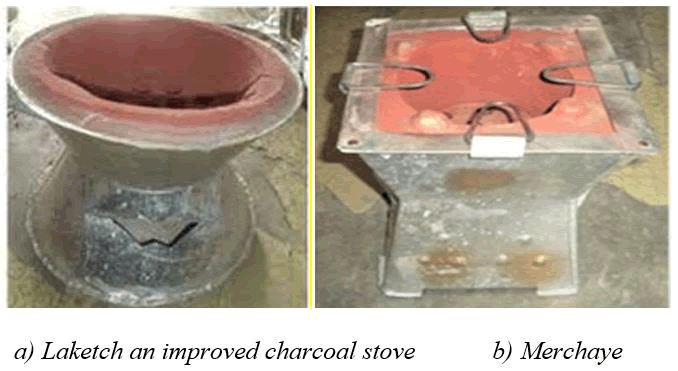
Figure 3. Traditional cooking practices in local areas.
Gasification technology and principle
Gasification is the process of converting a solid fuel to a combustible gas; normally the process is carried out by supplying a restricted amount of oxygen, either pure or from air. A carbonaceous solid can also be gasified to produce a hydrogen-rich gas by bringing it contact with steam at high temperature. Air gasification of biomass produces a low calorific value gas, the producer gas, which contains about 50% nitrogen and can fuel engines and furnaces. Gasification of biomass with pure oxygen results in a medium calorific value gas free of nitrogen.
Solid fuel goes in stages that influence combustion. The concept of biomass gasification has long been understood and used in large industries and even in transportation. During WWII one million vehicles were fueled by biomass mainly charcoal when liquid fuel was scarce, but it had little commercial impact due to dominant usage of other fuel sources and other energy forms. In the last 30 years, there has been a renewed interest worldwide in biomass gasification due to political and environmental pressures on CO2 mitigation (Figure 4)
Major types of biomass gasifiers are
Although not common, entrained bed reactors, e.g. cyclone reactors, have also been used for biomass gasification.
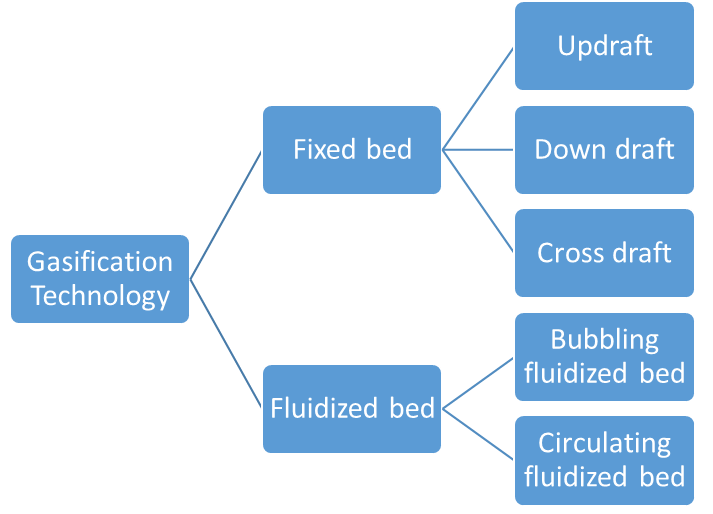
Figure 4. Types of gasification technologies.
Updraft micro-gasification has a good feature for use in the cookstove and domestic heating. The updraft gasifier was generally used for gasification of conventional biomass fuel like wood, wood chips, bark etc. Unlike conventional burning of solid fuel, it can cleanly burn the wood gas mainly in smoke-free combustion and provides a steady hot flame shortly after ignition no waiting as charcoal with little or no smoke. Emerging Advanced-combustion such as forced-air gasifier cookstoves perform at varying levels of combustion efficiency depending on the efficiency of the fuel used. Forced-air biomass cookstoves use a fan powered by a battery, electricity, or a thermoelectric couple that blows jets of air into the combustion chamber.
As the fuel passes through a gasifier, four distinct processes take place. Even though the processes overlap significantly, each can be assumed to occupy a separate zone where fundamentally different chemical and thermal reactions occur. The following are stages or process zones of gasification (Figure 5).
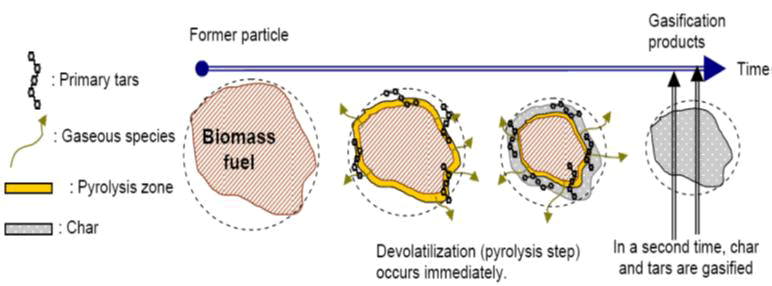
Figure 5. Different stages in the gasification of a biomass particle.
Drying: During the drying stage, the moisture content of the biomass is lowered. The moisture content of biomass varies between 5 and 35%. Drying takes place at temperatures ranging from 100 to 200 degrees Celsius, and the moisture content of the biomass is reduced as low as 5% or less.
Pyrolysis: Then the pyrolysis process follows. This is simply the heat breakdown of biomass in the absence of oxygen or air. During this procedure, the volatile stuff in the biomass is reduced. This causes the biomass to emit hydrocarbon gases, reducing the biomass to solid charcoal. Hydrocarbon gases can condense and produce liquid tars at low enough temperatures.
Oxidation: After pyrolysis, there is an oxidation zone where the pyrolysis products move into the hotter zones of the gasifier. Air is introduced into the oxidation zone under starved oxygen conditions. The oxidation takes place at temperatures ranging from 700–1000°C. The principal oxidation reactions are as follows:
equation
Reduction: The reaction products of the oxidation zone continually move into the reduction zone where there is insufficient oxygen, leading to reduction reactions between the hot gases and char. The principal reactions are as follows:
equation
In this zone, the sensible heat of the gas and char is converted into the stored chemical energy in the syngas. Therefore, the temperature of the gases is reduced during this process.
The design elements that allow for easy air adjustment enable the cook to create a range of meals on a single stove. Changes in air supply, on the other hand, can influence the fuel burn rate, thermal efficiency, and combustion completeness. Air includes oxygen, which interacts with fuel to create heat and combustible gases. In a cookstove, the air supply is generally separated into two modes based on position relative to the fire. Primary air enters the combustion zone directly and reacts with the fuel. Secondary air enters the stove downstream of the combustion zone, supplying oxygen to react with PICs (Products of Incomplete Combustion) that remain in the exhaust gases.
Natural-draft cookstoves may not supply enough air or air to the appropriate position in the combustion zone in some situations. A gasifier stove, for example, contains tiny fuel particles that impede airflow. To overcome this issue, forced-draft stoves employ a fan or blower to regulate primary and secondary air, resulting in more predictable and controllable airflow. Changing the firepower is frequently accomplished by user control of airflow. Both natural-draft and forced-draft cookstoves are capable of this. Mechanical dampers on a natural-draft stove may control airflow. Users of forced-draft stoves may regulate firepower by adjusting the fan speed.
The geometry of the flow channel through the stove (for air and exhaust gases) can have a considerable influence on performance. Air and exhaust gas flow are constrained by a limited route (e.g., small diameter riser, a small gap between stove and pot) or an obstructive feature (e.g., fuel grate with the tiny open surface, the tight distance between baffles or orifice). A wide, open route may let too much air into the stove, resulting in low gas velocities and less heat transfer to the pot. Based on the intended firepower or fuel/air inlet size, a reasonable rule of thumb is to keep a consistent cross-sectional area across the flow route. There are flow route sizing guidelines available.
The operation for providing adequate primary air, on the other hand, is determined by the size of the fuel. For example, the natural draft is sufficient for chunky fuel pieces such as wood chips and twigs, whereas for fine particle fuel pieces such as sawdust and rice husk, air must be forced through the fuel bed and the simplest way to provide it is by using a small fan or blower. This suggests that physical properties of the fuel used, such as bulk density and hardness, as well as the effect of airflow, influence TLUD gasification. These factors primarily affect parameters such as flame front velocity, pyrolytic front temperature, and char and tar yield.
The secondary airflow mostly affects combustion in the following ways. Firstly, it affects the temperature in the secondary combustion zone (normally a cooling effect because the temperature of the secondary air is usually lower than that of the gases leaving the primary combustion zone). Secondly, it changes the residence time in the secondary combustion zone, which is a function of the secondary flow amount and its temperature. Thirdly, it introduces more oxygen. Finally, it increases the thermal mass by introducing more nitrogen. Excess secondary airflow quenched the gas phase, reducing the oxidation rates of pollutants and leading to higher generations of PICs in most of the cases simulated.
The forced passage of primary air through the fuel bed improves the rate of gas production and, as a result, the power output of the stove. Forcing secondary air to combine with wood gas improves mixing and results in cleaner burning. Normally, the flame is shortened to keep the flame more focused beneath the pot. If secondary air is added at the same time as primary air, the additional woodgas can be completely combusted, increasing the firepower of the stove. The performance of most gasifiers is improved by using a fan to assist the airflow. The disadvantage is that a fan requires small amounts of electrical power, which must be supplied by either the grid (which binds the cookstove to a socket and a power cord and is dependent on the availability of power on the grid) or a battery (which must be recharged and/or replaced regularly) or a TEG (which is a temperature-sensitive and costly part that also needs a small battery backup).
Several things must be addressed while developing a gasifier stove that uses biomass as fuel. These include the following: Energy required, power output, total running time, air input, reactor material, size, and thickness of items to be considered. And then the total time required to consume the biomass material in the reactor is determined by the density of the biomass material, the capacity of the reactor, and the fuel consumption rate. The rate of flow of air required to gasify biomass fuel is the amount of air required for gasification. This is required to determine the size of the fan or blower required for the reactor when gasifying biomass fuels.
Airflow rates, reactor diameter, and reactor height are critical design characteristics for successfully forced draft cook stoves. The stove's power output is greatly reliant on the diameter of the reactor; thus, the larger the diameter of the reactor, the more energy that can be released by the stove. This also implies that more fuel will be consumed per unit time, as gas production is determined by the gasification rate in kg of fuel burned per unit time and the reactor area. Finally, the size of the air inlet is governed by the size of the reactor. The wider the reactor's diameter, the greater the demand for airflow. The higher the reactor, the greater the pressure necessary to overcome the resistance exerted by the fuel.
There are many types of gasifiers, large and small, updraft and downdraft and other-draft, etc. One specific type is called Top-Lit Up Draft, well known by the acronym TLUD (pronounced tee-lud). That name was first written in 2004 and spoken as an acronym in 2005. (However, the TLUD name is now also loosely accepted to include microgasification devices in which the MPF (see next paragraph) has reached the bottom of the fuel column and transitioned into char burning at the bottom (becoming bottom-burning, although not bottom-lit).) From 1985 to 2005, the name was Inverted Down Draft, or IDD. The most distinguishing characteristic of TLUD (and IDD) technology is the Migratory Pyrolytic Front (MPF) that produces a quite constant and controllable flow of combustible gases while creating char (charcoal). Essentially, TLUD micro-gasifiers are “gasburning stoves that create their own gases” and also “charcoal producers that release usable combustible gases.” The understanding and development of this microgasification MPF process (to create separable char and combustible gases) are central to this history of the evolution of micro-gasification and the many variations of TLUD gasifier devices.
Practical micro-gasification was achieved for the first time in 1985 when Dr. Thomas B Reed conceptualized what is now called 'Top-lit Up Draft' in the USA. Independently in the 1990s, the Norwegian Paal Wendelbo developed stoves based on the same principle in a refugee camp in Uganda. It was only in 2003 that the first micro-gasifier was commercially made available by Dr. Thomas B Reed. In 2004 Dr. Paul S Anderson created a variation of Traditional updraft micro gasification with the continuous operation being called AVUD for 'Another Variation Updraft' to distinguish it from conventional updraft Gasifiers.
The Oorja biomass gasifier stove is a fan-assisted batch-fed top-lit gasifier cookstove designed by the Indian Institute of Science and First Energy in 2006 to use pellets from agricultural waste. It produces between 2 and 3 KW of power. Its power is proportional to the fan's speed, which is determined by the regulator. In addition, this cookstove has a bottom-mounted fan and a ceramic combustion chamber. The combustion chamber measures 100 mm in diameter and 130 mm in height. The grate is made of cast iron and is located at the bottom of the structure. The performance data for the Oorja stove shows that it boils 5 liters of water in 24 minutes with 190 g of fuel consumption and emits 2.2 g of CO and 166 mg of 45 g pellet per liter of water to boil, with CO 0.7-1 g/MJ and PM 0.75 g/MJ emission rates.
The Philips HD4012 is a biomass-burning fan-driven gasifier stove with a ceramic-lined stainless-steel combustion chamber. The stove was invented by Paul van der Sluis, a researcher at Philips Research Laboratories in Eindhoven. Small bits of wood or other chunky biomass is required for this top-loading burner. It can also be used as a top-lit batch fed stove or a bottom-lit continuous feed stove. Because it has access to a lot of air, it usually doesn't have any char and burns to ash. This stove model has an adjustable power range of 1.5-3 KW and an air control regulating knob. It weighs about 4.6 kg and measures 330 mm in length, 350 mm in width, and 330 mm in height. According to its performance data, the stove has a thermal efficiency ranging from 38.4 to 39.4% and takes 17.2 to 18.1 minutes to boil water. Its PM2.5 emission factor ranges from 0.4515 g/kg fuel to 4.1 g/kg fuel, and its CO emission factor ranges from 8.6085 g/kg fuel to 53.8 g/kg fuel.
Mimi moto is a fan-assisted TLUD gasifier cookstove that uses biomass pellets as fuel. This stove has two detachable combustion chambers as well as an integrated fan. A larger combustion chamber is used for high-powered flames, while a smaller biomass chamber is used for low-powered simmering. An external rechargeable battery pack powers the integrated fan. Its thermal efficiency exceeds 46.8 which is very high compared to existing similar stoves and has a PM emission around 13.94 g/MJ and CO emission of 0.154 g/MJ. Its thermal efficiency exceeds 46.8, which is very high when compared to other similar stoves, and it emits around 13.94 g/MJ of PM and 0.154 g/MJ of CO.
Laboratory-scale updraft natural and forced draft gasifier stoves were designed, fabricated, and evaluated to estimate their performance. WBT and CCT methods were used to evaluate the performance of the gasifier stove with Agricultural waste biomass such as sawdust, coffee husk, rice husk, and wood. The thermal efficiency of the natural and forced draft gasifier stoves were 22.7% and 25% respectively. Moreover, the fuel-saving efficiencies were 84% and 72% for natural and forced draft gasifier stoves respectively compared with conventional existing stoves (Mirt, Merchaye, Gonze, Laketch, Tikikil) efficiency that is ranged between 25–50%. Which generally indicates that forced draft is a much better option to use for those who are striving with energy efficiency problems.
According to recent study of the WBT, while the gasifier cook stove consumes cow dung as a fuel for test. the traditional Three-Stone Stove (TSS) and Gasifiers Stove (GS) recorded least time taken to boil water during high power (hot start) is 29.33 and 19.7 minutes respectively. In addition, the TSS and GS recorded highest average time taken to boil water during high power (cold start) were 31.7 and 22.3 minutes respectively. This shows that gasifier stove can save time to boil 5 liters’ water. Their higher time record during cold start is due to the initial energy required to warm up the gasifier reactor, which also consumes some amount of energy from the fuel. The tests show that the three stones stove-burning rate was 79 g/min fuel dung to evaporate 429 g of water from 5-liters of water in 34.67 minutes.
This work has been carried out to develop, design and manufacture an applicable type biomass gasifier stove for the production of producer gas using locally available biomass fuels like bamboo, eucalyptus and prosopies Juliflora. The gasifier is produced and tested on three trial test runs by conducted caloric value, moisture content and ash content at dry base of each biomass is measure, and is conducted at different time with bamboo, eucalyptus and Prosopis juliflora biomass feeding. First batch fed gasifier reactor having an internal diameter of 39 cm was designed and fabricated, operating period of 25-35 min, amount of biomass fuel consumed of 4.5 kg, temperature at various points of 560–735°C were monitored and analyzed. The results obtained from this study shows that the gasifier performance and operating conditions are good with thermal efficiency around 31.8%.
Three different types of locally available solid biomass fuels such as Fuel Wood (FW), Dung Cake (CDC) and crop residue (CR: mixture of mustard stalks and lentil sticks) e were used during the study conducted recently. The specific fuel consumption was signification (g kg-1 ) followed the order; CDC (1148 ± 243)>CR (868 ± 236)>FW (782 ± 202). The duration of cooking was significantly high when CDC was used as fuel. This may attribute to low temperature smoldering of the CDC almost throughout the burning period. Due to the low temperate of burning, the heat generated from the CDC was lower than other solid fuels; which lead to significantly higher cooking duration for the specific amount food, when CDC was used as the fuel.
The air intake into the combustion chamber, whether primary or secondary air, supports the combustion process and is thus important to the cook stove's functionality. One of the most significant elements affecting efficiency and emissions from cook stoves is the rate of air input. To accomplish theoretical full combustion in combustion, cook stove, stoichiometric air is required. However, because the mixing of volatiles and air is never ideal, some surplus air is required for full combustion and minimal emissions. As a result, there is an optimal amount of airflow rate necessary for the cook stove's thermal and emission performance.
In TLUD gasifier stoves, a study was undertaken to evaluate the particular effects of secondary and primary air. The performance parameters of fuel consumption rate, temperature, emissions, effectiveness, and combustion efficiency were determined for a range of secondary flow rates, secondary to primary air flow ratios, and jet velocity. It was discovered that not only primary airflow rates but also secondary flow rates, had an impact on fuel consumption. As secondary air flow rates increased, the rate of fuel mass loss increased rapidly. The velocity of the jet influenced the operation of TLUD as well. Temperature and gas data support the conclusion that the bulk of heat generated by burning occurred somewhere between the jet exit and the center of the combustor. An increase in flow rate did not affect combustion efficiency but dramatically decreased CO emissions up to a point. Furthermore, secondary air was shown to be more important than primary air in terms of usable power.
For a given fuel flow rate, the least grate resistance provided the most optimal in terms of efficiency and power production. The power output, flame temperature, and thermal efficiency were determined to be highest at an airfuel ratio of 1:1. Power output and thermal efficiency were improved by reducing the resistance to secondary flow and simulations with the highest air-fuel uniformity produced the greatest temperature within the cook stove.
The gasification of biomass can be maximized by providing the correct amount of air to gasify. This is achieved by providing a good structural design of the stove with proper implementation and use of primary and secondary holes. In CFD analysis of a forced draft semi gasifier with a square cross pipe of size 20 mm was selected for iteration, the flow was a whirl pattern and the pressure at primary and secondary holes were seen to be equal.
In another recent research paper, a primary air delivery pipe was designed using computational and thermodynamic analysis. The diameter of piping used to supply the primary air for char-gasification affects widely the air velocity and its distribution across the grate. As the diameter increases from 11mm to 40mm, the velocity through the grate holes gives the lowest standard deviation ± 0.13 m/s. It leads to a uniform consumption of the fuel, which allows a better mixing between the secondary air and the producer gas.
In a recent study, an air supply control system was designed to accurately quantify airflow rates while also monitoring the fuel burning rate. The study found that the overall airflow rate of 184 L/min was determined to be the optimal supply airflow rate after the primary air and secondary air distribution modes were established. Under the same total airflow rate, the burning and emission performances increased when the primary and secondary airflows were similar, especially from 4:6 to 6:4. The findings revealed that the test length and burning rate, performances of various airflows differed.
Two designs of forced draft TLUD type gasifier stoves namely Purti and Mpurti were assessed by changing such as controlling the speed of the fan and blocking the primary and secondary inlets. It was shown that high thermal efficiency cooking power and energy delivery were obtained from both models during which high flow of air for primary and secondary inlet opens.
Four representative firewood species from some Colombian regions were evaluated in a Top-Lit-Updraft (TLUD) reactor under gasification regimes. The effect of primary airflow on the process was studied at three levels (20, 30, and 40 l/min. The thermodynamic assessment of the microgasification process was characterized by means of response variables such as flame front velocity (Vff), maximum reaction temperature (Tmax), fuel/air equivalence-ratio (Frel), With regard to the influence of the firewood type, the performance of the process was mainly affected by physical properties, such as bulk density and hardness. With regard to the effect of the airflow, Vff and Tmax increased from 7.9 to 14.0 mm/min and from 724.9 °C to 838.3 °C, respectively.
Both primary and secondary air flows were varied in experiment done by Mehta. Three primary air flows of 24, 33, and 42 L/min were selected. These flows correspond to primary air superficial velocities of 5, 7, and 9 cm/s. The results obtained shows that for a given secondary air flow rate, the fuel consumption rate increases with increasing primary air flow rate and also the results indicate the effectiveness decreases with increasing AF regardless of primary flow rates.
Air staging strategies are a very important concept to provide efficient biomass combustion with less gaseous and particulate matter emission in a controlled manner. It has been seen as possible in optimized biomass boilers. It is very important to identify areas with not sufficient degree of mixing between air and producer gas (syngas) in the secondary combustion stage at the top and similarly between air and fuel in the char-gasification stage at the bottom of the stove. This also depends on the uniformity of the air input these areas may strongly deteriorate the overall combustion efficiency and leads to an increase in CO emission.
As it is shown in the above literature works we understand that there are still things to be addressed in order to develop a gasifier cook stove that can handle locally available fuel in a single gasifier cook stove with varying and controlling air flow through air staging technique. The aim of this theses will be developing and testing a single gasifier cook stove in using all locally available biomass fuels such as Eucalyptus wood chips charcoal and cow dung by varying the inlet area of secondary and primary air using a gate valve.
Biomass as a fuel for gasifier
Charcoal: Good-quality charcoal has low moisture, volatile matter, and ash contents which are why it is suitable and feasible for almost all gasifier types. But there are two main disadvantages of charcoal:
Wood: Wood has low ash content, but relatively high moisture and volatile matter contents. The latter result in high tar content in the gas produced by the up-draught gasifier system. Cleaning the gas before using it in internal combustion engines is a very expensive and laborconsuming process. But the downdraught systems can be designed to produce relatively tar-free gas (“in a certain capacity range when fueled by wood blocks or wood chips of low moisture content”). And after passing through the quiet simple cleaning system this gas can be used in internal combustion engines.
Cow dung: In most gasifiers, it is not feasible to use cow dung as fuel unless it is blended with other biomass fuels such as agricultural residues. Also, it releases more smoke than other biomass fuels due to the high moisture content of the fuel.
General workflow
During the design and development of this gasifier cookstove through emphasis was given in controlling airflow patterns, reactor geometry and dimensions to allow proper gasification and mixing in the combustion chamber. Its performance was also evaluated to validate the result with existing ICSs. The whole workflow is stated in Figure 6.
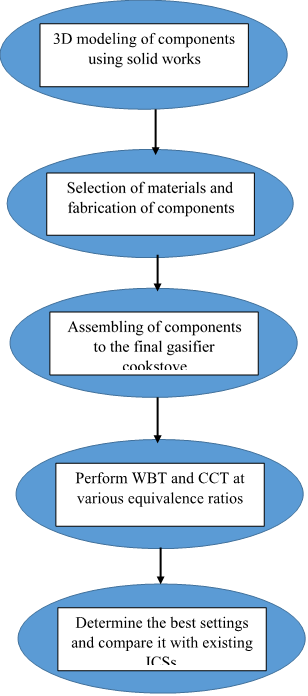
Figure 6. Research workflow
Materials
Raw materials: The materials and tools used during the whole phase of design and fabrication of the experimental cook stove are listed in below Tables 2.
| Materials | Purpose |
| Biomass (wood chips, cow dung, and charcoal) | As a fuel |
| Water | To be boiled |
| Kerosene | Starting the fire |
Table 2. Raw materials used for testing.
Materials used for the fabrication: Steel is used as the main material due to its ability to withstand high temperatures, availability, affordability, workability, strength and suitability issues. The melting point of steel is between 1425-1540°C while the temperature ranges for gasification (up to 700°C) is well below this value, hence making the material suitable (Tables 3, 4).
| Materials | Purpose |
| Sheet metal | As a building material |
| Electrode | For welding |
| Grinder | To cut and trim parts |
| GI pipes | As an air inlet |
| Gate valves | For controlling the flow |
| Elbow joints | Connecting air delivery pipes |
| Union joint | Connecting air delivery pipes |
Table 3. Materials used for the fabrication.
Materials used for experimental test
| Materials | Purpose |
| Weighing scale | For weighing the samples |
| Tongs | Holding hot metal tray |
| Metal tray | To hold hot char |
| Watch | To record time |
| Thermocouple | Recording the temperature |
| Cooking pot | For holding water |
Table 4. Material used for experimental test.
Design of cookstove and 3D modeling of components
The cook stove described here was created to handle three kinds of biomasses namely eucalyptus wood, charcoal and dung cake while maintaining good gasification characteristics, resulting in cleaner energy.
Design of the cookstove: A structured design process can help designers create successful solutions that are more likely to meet their goals. Designing a gasifier cookstove requires prioritizing the most important features and knowing when compromises can be made. The design procedure outlined was used to come up with the major parameters required for drafting and manufacturing the gasifier stove. This includes Energy Input, Reactor Diameter, Height of reactor, primary and secondary air inlets etc.
Thermal efficiency: Here we want to design a gasifier stove that achieves tier 3 thermal efficiency (≥ 35%) from ranges of IWA performance tiers. We had estimated the amount of fuel needed for an example cooking task with this level of efficiency.
Heating values of fuels: We had samples of wood tested and the average calorific value was 16 MJ/kg (equal to 16,000 J/g) while that of dung cake was reported a calorific value of 12 MJ/Kg.
Energy requirement (Qn): This is the quantity of heat that the stove needs to provide, which may be calculated based on the amount of food and/or water that has to be boiled in a home and their related specific energy. Raising the temperature of one milliliter (mL) of water (equal to one gram of water, ρH20≈1 mL/g) by 1°C at sea level requires approximately 4.186 joules (J) of energy. To bring one 3- liter pot of water (equal to 3,000 mL; and 3,000 g for water) from room temperature (25°C) to a boil (100°C at sea level), we need to transmit approximately (4.186 J/gâ??°C) × (3,000 g) × (100–25°C)=941,850 J of energy to the water.
Amount of fuel needed: Considering the efficiency, calorific value of fuels and energy requirements, we had estimated that our stove’s fuel chamber needs to be designed to hold 96 g of wood and 101 g of dung cake. If your stove were 100% efficient (all of the fuel energy transferred to the water) then this would require 33.7 g of charcoal. Since we are targeting a thermal efficiency of at least 35%, then we assume that 65% of the energy in the fuel will be lost. We need to increase the amount of fuel by 1/0.35 x.
Area of the reactor: This refers to the reactor's size in terms of the cross-sectional area of the combustion chamber. The power of the gasifier is a function of cross- sectional area and their relationship is reported as P=3(Ac/78)2 kWth. Thus, for domestic cooking power of 3 Kwth the area would be 78 cm2 .
Volume of reactor: The volume of the reactor was determined from the densities of the fuels and amount of fuels to be loaded in it. The density was taken as 450 Kg/m3 and the fuel to be loaded was found to be 0.6 Kg. Thus, the volume of the reactor will be 1.33 lit.
Diameter of the reactor: Having circular cross-sectional area in mind the diameter of the reactor could be simply found from area/diameter relationships i.e., A=πD2 /4. The diameter was approximately 14 cm
Height of the reactor: This is the total distance from the top and the bottom end of the reactor and determines how long the stove would be operated in one loading of fuel. The height was determined from volume/area relations and it was found to be 21 cm.
The stoichiometric connection between fuel and air determines the amount of air necessary for optimum fuel mixing and cleaner combustion. Changes in stoichiometric air were necessary for various biomass. Because we do not know the properties of the biomass beforehand, the stoichiometric ratio of 6 is chosen in the study because it is most often employed in the design of biomass cook stoves. In most biomass cook stoves, there are two phases of combustion: one in a fuel-rich zone (lower combustion region) and one in a lean fuel region (upper combustion region). As a result, the entire air flow rate within the cook stove must be split for these two stages. As the combustion process begins, the air traveling through the lower combustion zone is referred to as primary air.
Amount of Air Needed for Gasification (AFR). This is the rate of flow of air needed to gasify biomass. This is very important in determining the size of the fan or of the blower needed for the reactor in gasifying wood. This can be computed using Equation 1.

Where, AFR: Air Flow Rate (m3 ⁄s), e: Equivalence ratio of wood, mostly in the range of 0.1–0.38, FCR: rate of consumption of wood (kg/h), SA: Stoichiometric Air of wood, 6.1 kg air per kg wood and ρa: air density (1.25 kg/m3 ). To determine air flow rate 0.3 equivalent ratio of wood (saw dust) fuel was taken. The amount of air flow rate for gasification is obtained 1.437 m3 ⁄hr, 1.75 m3 ⁄hr and 2 m3 ⁄hr were tested by adjusting the inlet area of both primary and secondary air using the gate valves.
Superficial Air Velocity (vs): This is the speed of the air flow in the fuel bed. The velocity of air in the bed of woods will cause channel formation, which may greatly affect gasification and depends on the diameter of the reactor (D) and the airflow rate (AFR). This can be computed using Equation 2.

Where, Vs: Superficial air velocity (m/s), AFR: Air Flow Rate (m3 /h) and D: Diameter of reactor (m). The superficial air velocity needed for the stove is 93.39 m⁄hr or 2.59 cm⁄sec.
Primary air pipe diameter: The area is calculated as we get the amount of air for gasification ranging from 15 mm-25 mm diameter of GI pipes. For constructing the stove, we used 25 mm GI pipe and we varied the area using a gate valve.
Secondary air pipe diameter: The secondary air inlet which is a GI pipe with a diameter of 30 mm was suggested and chosen to deliver air for combustion. This also varies using a gate valve similar to primary air.
3D modeling of components and construction of gasifier cook stove
Combustion chamber: Mostly the updraft gasifier comprised with two cylinders which is usually a cylindrical reactor, and forms a packed bed on the grate. But in our design, we prefer to use three layers two concentric cylinder with one rectangular cover. The first cylinder which is the combustion chamber has a diameter of 140 mm and a height of 250 mm. And the outer cylinder concentric with the combustion chamber has a diameter of 210 mm and a height of 260 mm. The combustion chambers as well as the outer concentric cylinder are made out of 1.1 mm thick mild steel. For the rectangular cover we used a much less thick sheet metal than the rest to reduce the weight of the stove. The combustion chamber has a rectangular hollow which the pre-heater box to be attached. On the upper part of the combustion chamber there is 38 holes with 8 mm diameter each for secondary air passage (Figure 7).
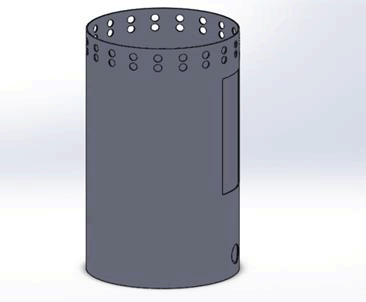
Figure 7. 3D modeling of combustion chamber.
Grate: The grate has a diameter that fits the diameter of combustion chamber with slightly smaller in 2 mm and it is nearly 138 mm. For easing primary air flow, it is drilled with 28 holes that has 5 mm diameter and aligned in a possible uniform manner. It is adjustable with desirable height for multiple fuel usage. The grate is made up of stainless steel while stainless steel has a good property of corrosion resistance (Figure 8).
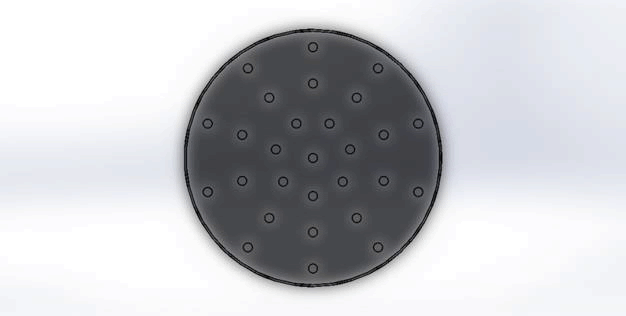
Figure 8. 3D modeling of grate
Pre-heater box: As it is recommended by researchers preheating primary as well secondary air has a great influence on the performance of gasifier cook stove by enhancing heat transfer through the stove. So we designed a preheater box that can preheat both the air intakes in a compacted way this preheater is submerged its other side to be heated by the burning fuel inside the combustion chamber as the plate heated it transfers heat to the coming air trough convection. The heater's top section heats secondary air, while the lower section heats primary air. It measures 120 mm in height and 50 mm in width. It features a pipe extension with an elbow connection to provide primary air beneath the grate, as well as tiny slots at the top to allow hot secondary air to reach the combustion chamber holes. There are two openings on the right side of the box, each with a different diameter. The larger hole, positioned at the top of the box, is 25 mm in diameter and allows secondary air to reach the hot plate. The smaller one is for primary air coming in with 20 mm diameter pipes (Figure 9).
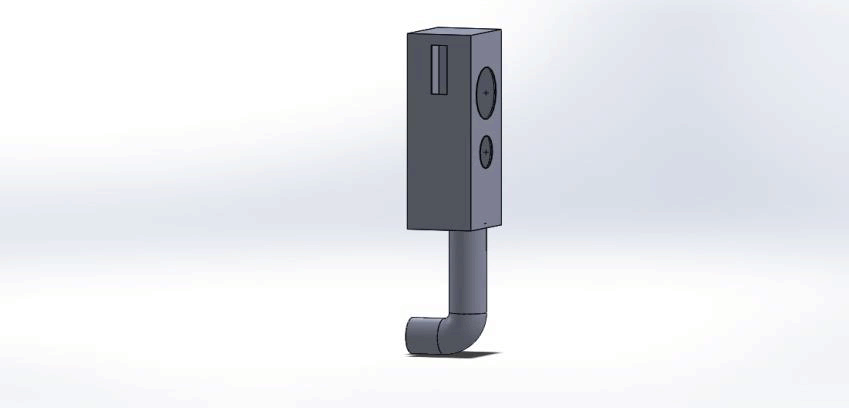
Figure 9. 3D modelling of preheater box.
Cylindrical cover: This outer cylindrical cover is made up of MS its thickness is around 1.1 mm. And it has a diameter of 210 mm and a length of 275 mm. This cover guides the pre heated air pass to combustion chamber holes through the annulus between the two cylinders. To allow a passage for air delivery pipes it has two holes at the top part (Figure 10).
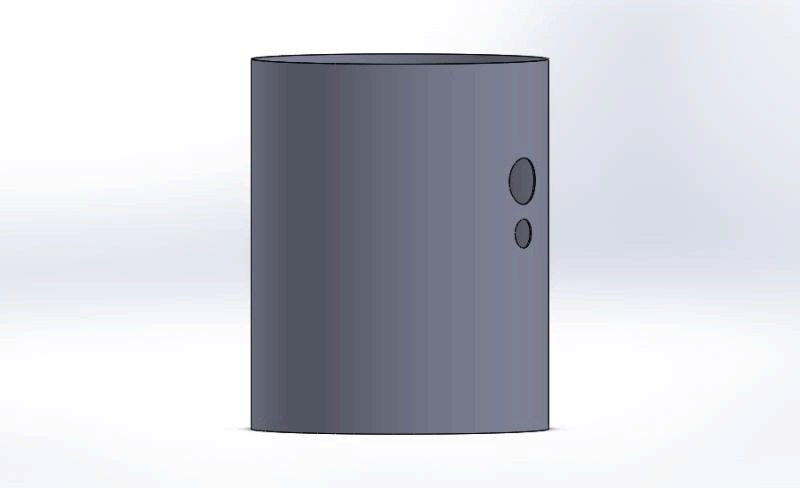
Figure 10. 3D modelling of preheater box.
Outer rectangular cover: The stoves outside cover are rectangular in shape, with a width of 230 mm, a length of 230 mm, and a height of 280 mm. It's composed of standard 16-gauge metal sheet. After the outer cylindrical cover, there comes a rectangular cover. The insulation substance, which is wood ash, is put between these two coverings. The ash tray would be inserted through a hole on the bottom of the front side (Figure 11).
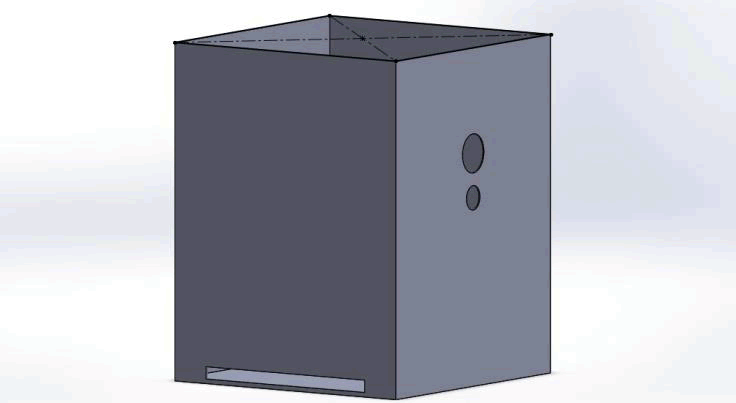
Figure 11. 3D modeling of rectangular cover.
Air delivery manifold: The air delivery manifold was created with the purpose of controlling and guiding air flow. For primary and secondary air, various sizes of GI pipe are used to distribute air through this manifold. The pipe diameter for primary air is 20 mm, and we chose a 25 mm pipe for secondary air flow. This design also features gate valves, which make it simple to adjust air flow. For instance, when we chose to burn charcoal, we need only to combust the charcoal so we only need the primary air flow this purpose we need to switch the secondary flow by closing the upper top valve. This manifold is where the air-droughting fan is installed (Figure 12).
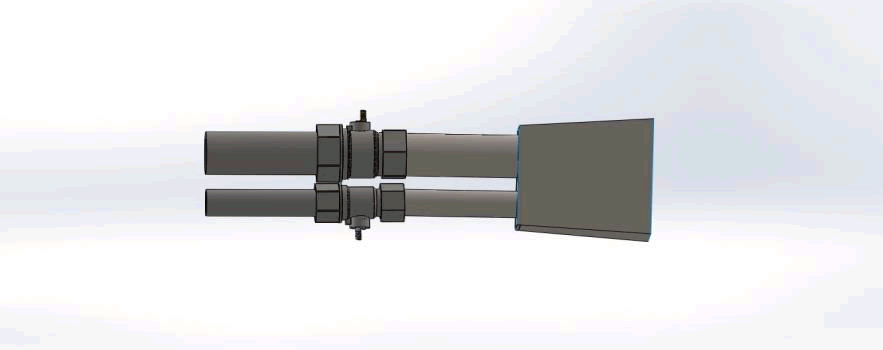
Figure 12. 3D modeling of air delivery manifold.
Ash tray: The ash tray or ash collector is composed of standard 16-gauge metal sheet and measures 160 mm in width, 220 mm in length, and 10 mm in height. To collect ash pulled via the grate aperture, the ash tray is installed below the combustion chamber through the outer rectangular cover with a larger dimension. And the ash collects in the ash collector after falling through the grate (Figure 13).
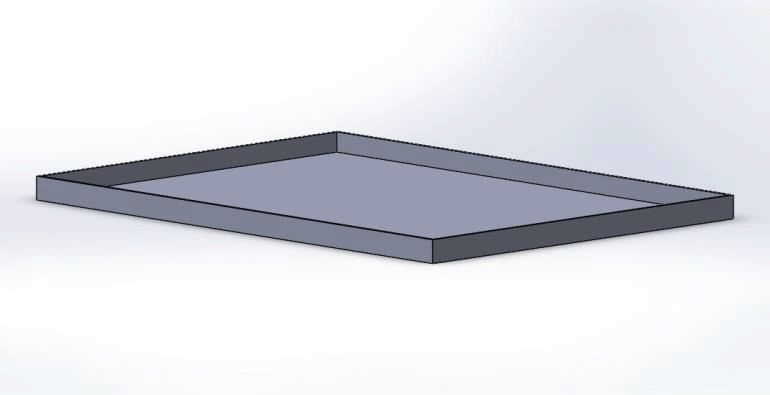
Figure 13. 3D modeling of ash tray.
Gate valve: We utilized two gate valves to control the overall air flow to the preheater box in this configuration. It enables us to control the flow according to our needs. To control primary air flow, we used 1/2-inch gate valve and for secondary air we used 3/4-inch gate valve (Figure 14).
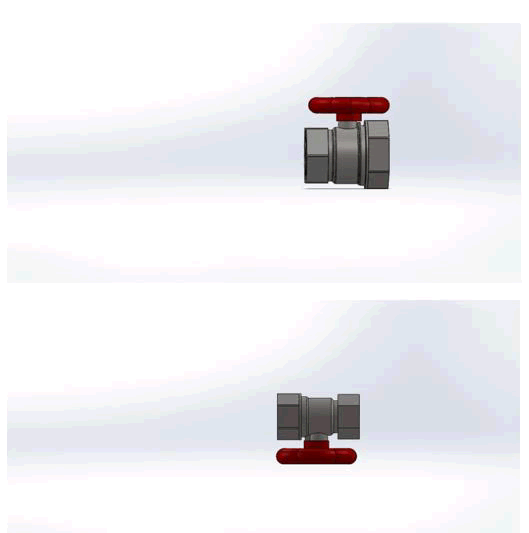
Figure 14. 3D modeling of gate valves.
12 DC volt fan with speed controller circuit: As previously said, we like to employ forced draft in our design. As a result, we utilize a 12-volt DC fan from an old computer to supply the required air for gasification and combustion. Thus, we were able to create a circuit that allows us to regulate the speed with the help of electrical components like transistors, potentiometers, and resistor. We used 22k resistor, B50k potentiometer and BD140 PNP transistor (Figure 15).
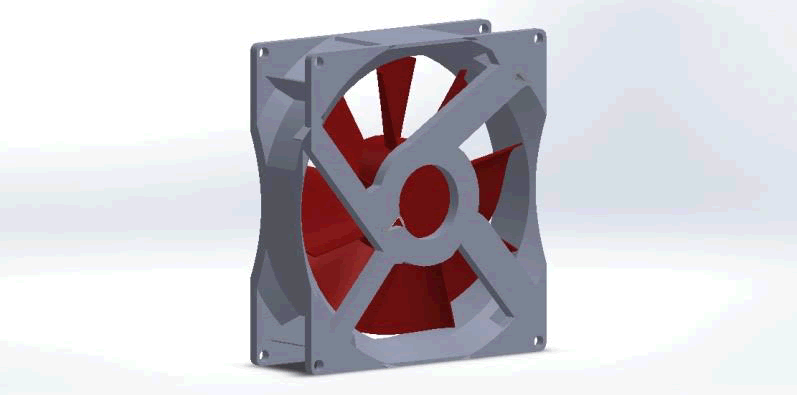
Figure 15. 3D modeling of computer fan.
Complete design of the gasifier cook stove: The following design shows the complete assembly of the gasifier cook stove with necessary modification (Figures 16, 17).
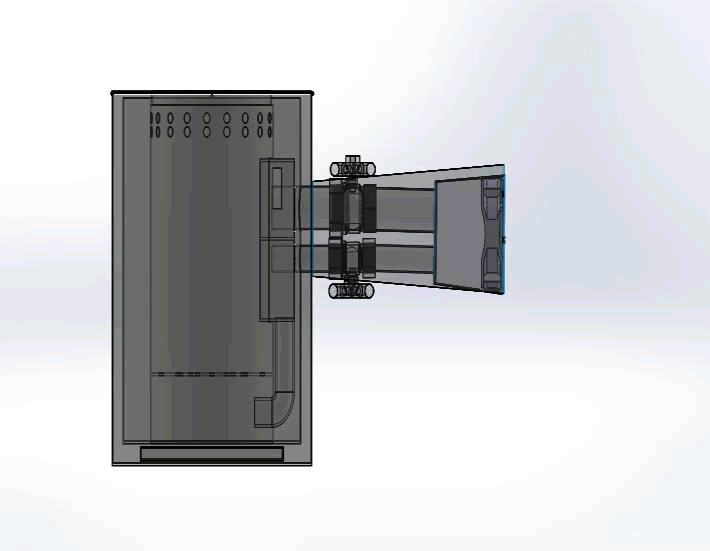
Figure 16. 3D modeling of newly designed gasifier cook stove.
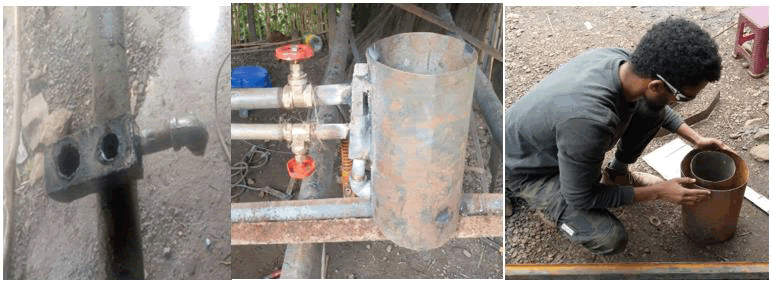
Figure 17. a) Preheater box assembly, b) Assembly of reactor with preheater box and air manifold.
Experimental validation
Good design requirements include measurable targets or comparisons to existing solutions. Once the prototype is designed and fabricated. With careful observation and measurement, the experimental validation will be continued to evaluate its performance comparing with the widely used cookstoves in the area. We also investigate the effect of air staging with different airflow patterns and fuel varieties.
Selection of fuels for testing
The fuels that are used in this cookstove are selected first by collecting different types of fuels. Biomass species will be collected including Eucalyptus wood chips, cow dung and charcoal will be sun-dried for days to remove fuel moisture content.
WBT performance metrics
The Water Boiling Test (WBT) is a simplified simulation of the cooking process. It is intended to measure how efficiently a stove uses fuel to heat water in a cooking pot and the number of emissions produced while cooking. The WBT test for efficiency can be performed throughout the world with simple equipment. (If emissions are measured, more complex equipment is required.) Its primary benefits are:
The water boiling test method is comprised of High power test with a cold start, high power test with a hot start and simmering test. A simmering test involves the quantifying of the amount of fuel required to keep a measured amount of water just below boiling point for about 45 min.
The material used for the water boiling test includes pot, water, fuel (eucalyptus wood chips, sawdust, and cow dung weighing balance, thermometer, stopwatch, measuring cylinder, hand glove, and lighter. The data collected during the water boiling test was used in determining the percentage of heat utilized.
The Water Boiling Test (WBT) is divided into three parts that occur in quick succession. These are addressed more below and visually depicted in Figure 12 for each stove; the complete WBT should be performed at least twice, forming a WBT test set: A high-power test with both cold and warm start conditions, and a low-power test to simulate slow cooking jobs or tasks that need low heat. In the high-power cold start test, the stove is set to 15 degrees Celsius and a pre-weighed bundle of wood is used to boil the requisite amount of water in a standard pot. A fire is restarted immediately after the WBT cold start phase in the highpower warm start phase, and the test is repeated to find differences in performance between a stove when it is cold and when it is warm. After the high-power testing, a fire is reset using a pre-weighed bundle of wood and used to simmer water 3 below boiling for 45 minutes in the lowpower simmering phase (Figure 18).
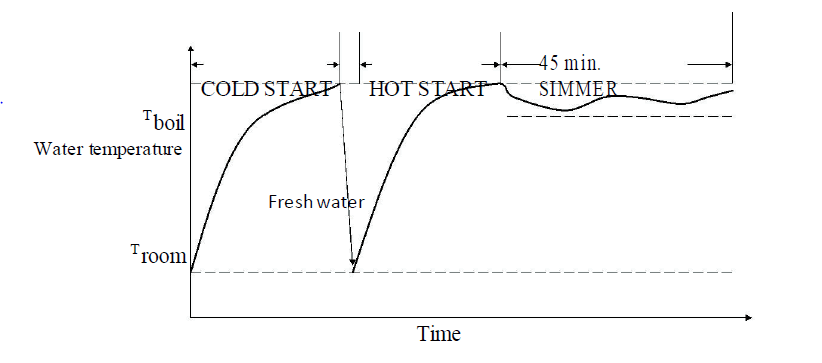
Figure 18. Temperature during the three phases of the WBT.
The WBT assesses the thermal efficiency (H), firepower (P), emissions and the specific fuel consumption (S.f.C) of the stove as described below.
Thermal efficiency
Thermal efficiency (á½µ) is a measure of the fraction of heat produced by the fuel that made it directly to the water in the pot. The remaining energy is lost to the environment. As a result, a better thermal efficiency means that the heat produced may be transferred more effectively into the pot. As indicated in equation 3.7 H is a ratio of the energy utilized for heating and evaporating water to the energy used by burning wood according to WBT.

Where: Ww: Mass of water in the pot (g) 4186: Specific heat capacity of water (kJ kg-1 . K) 16 (Tf-Ti): Change in water temperature (K) Wv: Amount of water evaporated from the pot (g) 2260: Latent heat of evaporation of water (kJ kg-1 ) fd: Dry-wood equivalent consumed during each phase of the test (g) LHV: Lower Heating Value
While thermal efficiency is a common metric of stove performance, specific consumption, especially during the WBT's low power phase, may be a superior indicator. This is due to the fact that a slow-boiling stove may have a good looking TE because a lot of water has evaporated. However, because so much water was evaporated and so much time was spent raising the pot to a boil, the fuel required per remaining water may be too high.
Firepower
Firepower(P) is a ratio of the wood energy consumed by the stove per unit time (in W) during each phase of the test given by Equation 4.

Where (tf-ti) is the duration of the specific test phase.
Specific fuel consumption
Specific fuel Consumption (S.f.C) is a measure of the amount of fuel required to boil or simmer 1 liter of water. It’s computed by dividing the amount of equivalent dry fuel burned by the amount of energy left in the residual charcoal, then multiplying by the number of liters of water left at the conclusion of the test. This method accounts for the fuel necessary to generate a useable liter of food, as well as the time it takes to do so. As a result, S.F.C is the ratio of fuel wood used to water left at the end of the experiment. In this situation, specific fuel consumption refers to the quantity of wood needed to generate 1 liter or kilogram of boiling water, as calculated by Equation 5.

Where, Wwf is the mass of water boiled (g).
Burning rate
This is a measure of the rate of fuel consumption while bringing water to a boil. It is calculated by dividing the equivalent dry fuel consumed by the time of the test.

Where: tb is time to boil (min)
Water boiling test procedures
To conduct the WBT the following procedures were followed: Measure the ambient air temperature (°C), Weigh the biomass to be used (gm), both empty pots were weighed separately and the values recorded. The pots were then partially filled with water and weighed again. The initial temperature of the water was also recorded. The gasifier stove was then ignited and the water in pot was left to boil and evaporate. After complete burning of the whole fuel supplied, the pot was weighted again and the amounts of water evaporated in the pot was recorded (Figure 19).
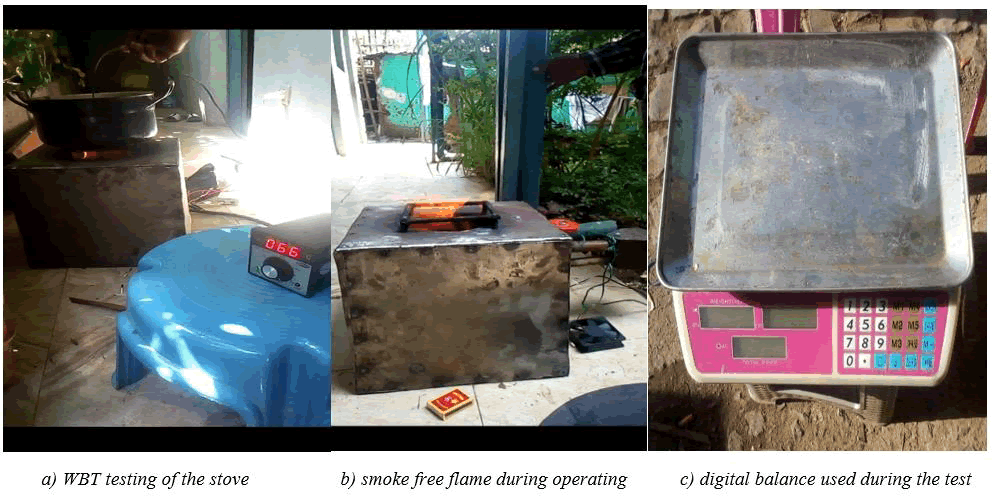
Figure 19. WBT testing of the stove with materials used.
Controlled Cooking Test (CCT)
This is a field test that is used to evaluate the stove performance of a new cookstove under the common or traditional cooking methods. CCT is designed to compare the different cookstove's performance in a controlled manner by controlling fuels, pots, and operation of the stove. Local users prepare traditional food on the stoves so that stoves can be compared, by cooking the same food in the same pot and give their opinions for modification in the cookstove model. It reveals what is possible in households under ideal conditions. The CCT stimulates the actual cooking when the stove is subjected to more realistic through controlled conditions. The test is performed for evaluating the following aspects regarding the cook stove.
The CCT is intended to be an intermediate step between the WBT and the KPT. The results of the test are expressed as the ratio of the amount of fuel needed to cook the meal, which is known as Specific Fuel Consumption (SFC):

Procedures used for testing the stove
Initial measurements
Final measurements
Fuel used characteristics
Biomass fuels such as eucalyptus wood chips, cow dung, and charcoal have been used to test the stove. Before loading the fuel into the fuel chamber, it should be sized. The sorts of fuels that this biomass gasifier stove can burn are rather diverse. Charcoal, wood chips, and wood twigs are examples of these materials. With diameters ranging from 25 to 50 mm, the wood was cut from eucalyptus logs and sun-dried for days. All testing should be carried out with wood of low moisture content (values used have been 6.5% or 10% on a wet basis). This reduces variability but may make combustion unlike field conditions. Table 5 lists the key properties of the wood chips that were utilized as fuel in the biomass gasifier testing trials. Before loading the fuel into the fuel chamber, it should be sized. Table 5 shows the average qualities of biomass used for comparison.
| Biomass type | Calorific value (MJ/kg) | Moisture content (%) |
| Eucalyptus wood chip | 16.5 | @ 6.7 MCwet |
| Charcoal | 25.7 | @ 7% MCwet |
| Cow dung | 11.8 | @ 7.3% MCwet |
Table 5. The characteristics of biomass fuels used.
Experimental results of Water Boiling Test (WBT)
Time to boil for different biomass fuels: Time to boil depends upon weather conditions and stoves design. Thus, the determinant factor for comparison of the stove is its design. We used three fuels for testing the designed cook stoves. When comparing these different fuels in a parameter that indicates its thermal performance which is time to boil charcoal boils water faster than eucalyptus wood chips and cow dung. And when we compare different primary air inlet area for different fuels as primary air increases for all fuels time to boil increases due to sufficient air for gasification increases fuel consumption (Figure 20).
Figure 20. Average time taken to boil water in minute for different fuel and primary air inlet area.
Burning rate: Burning rate of the stove with different fuels was evaluated and the result indicates that the burning rate of the stove was high in hot phase than cold phase due to temperature rise in combustion chamber during hot phase operating. Comparing the burning rate of different fuels charcoal performs better. As the area of primary air inlet increases burning rate also increases linearly (Figure 21).
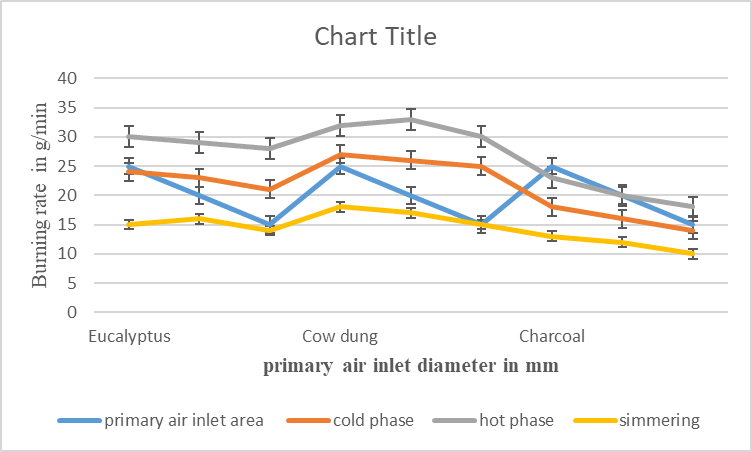
Figure 21. Burning rate of the stove for different biomass fuels and different primary air area.
Fire power: The firepower is a measure of the heat output of the stoves. In the cold and hot start phases, the newly designed cookstove had the highest firepower while it had the lowest firepower for the simmer phase (Figure 22).
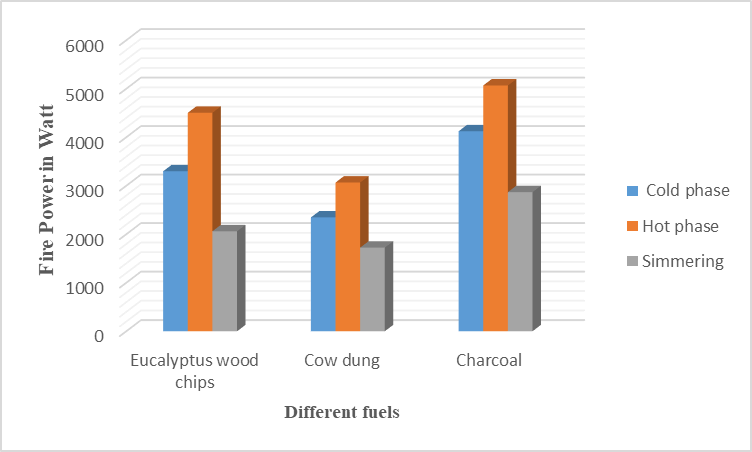
Figure 22. Fire power of the stove for different biomass fuels.
Thermal efficiency: The thermal efficiency of the newly designed stove was tested using various biomass species, and the findings were compared to those of other existing improved cook stoves. It was observed that charcoal as a fuel performs better and generally the new stove is more efficient than existing stoves.
Thermal efficiency of the stove with different biomass species: The stove was tested with three types of biomasses: Eucalyptus wood chips, cow dung, and charcoal. When we compare the findings, we find that charcoal as a fuel performs better and can be continuously burned to cook meals that take longer to cook. But here we burn the charcoal with possible minimum primary air it is near to combustion. The average thermal efficiency of the stove is 36% with three of the fuel used in the test. The following chart indicates the thermal performance of different biomass species (Figure 23).
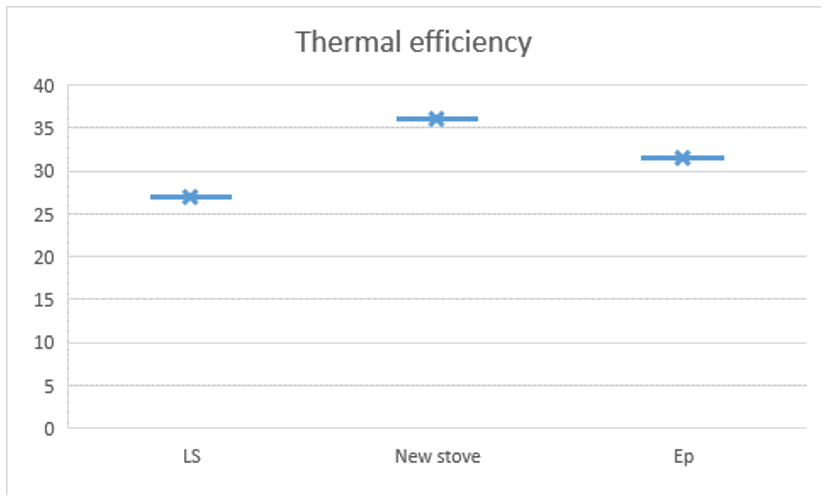
Figure 23. Thermal efficiency of the stove with different biomass species.
The result obtained from Water Boiling Test (WBT) was validated with two experimental prototypes that are developed here in the country. The laboratory scales up draft and experimental prototype. During validation the newly developed stove due its modification on air supply it outperforms the existing prototype gasifier cookstoves (Figure 24).
Figure 24. Thermal efficiency of different gasifier cook stoves using eucalyptus tree.
CCT results of the stove
The CCT procedure was used to evaluate the stove's cooking capabilities, and it was a true test of cooking a large meal. The CCT is a more realistic condition when compared to the WBT. The results of the tests are frequently presented as Specific Fuel Consumption (SFC). These CCTs were designed to investigate the performance of these biomass gasifier stoves. Biomass fuels such as cow dung, charcoal, and eucalyptus were used as a feedstock in the tests. To avoid variation caused by the pot's efficiency or material differences, each test was carried out with the same pot. The following Table 6 describes the test with necessary parameters (Figure 25).
| Parameters | Eucalyptus wood chips | Cow dung | Charcoal |
| Mass of pot (kg) | 0.35 | 0.35 | 0.35 |
| Mass of food cooked (kg) | 1.3 | 1.3 | 1.3 |
| Mass of fuel used (kg) | 0.55 | 0.75 | 0.45 |
SFC= |
42% | 57% | 34% |
Table 6. Specific fuel consumption of different biomass fuels in CCT test.
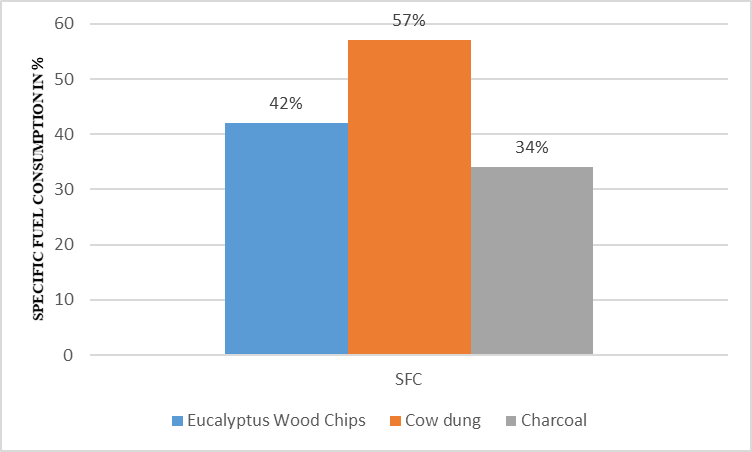
Figure 25. Specific fuel consumption of the stove with different fuels.
As shown in the above chart the specific fuel consumption of the stove Eucalyptus woodchips has high value while cow dung has a small value, as it is expected, the CCT results coincide with the thermal efficiency test results. However, charcoal have been taken longer time for ignition than the other. From the above result the effect of using efficient stove in alleviating the current household and institutional energy problems observed in the country and more importantly in the combating of deforestation problem which has adverse impact on the ecology of the country is invaluable.
Observation
Safety during operation: The outside temperature of the stove during testing was recorded as 39â??, this indicates that this stove is safe to use. Because of the possibility of smoke, it is preferable to start the fire outside in a safe location. Another crucial necessity in using a stove is to dispose of the charcoal in a safe area where it will not start a fire, or to wait until it cools to a safe temperature.
Effect of type of fuel: The efficiency of the stove utilizing eucalyptus wood chips or cow dung as fuel was found to be lower than that of the stove using charcoal. Due to the high ash content of cow dung, the rate of ash buildup in the reactor chamber was much higher when it was used as fuel. An ash scrapper was used to remove accumulated ash from the grate. Some tiny burning char particles dropped to the ash pit with the falling ash; the stove's decreased efficiency using cow dung as fuel was attributable to increased combustible loss with ash.
Effect of air flow: Changes in air supply can influence the fuel burn rate, thermal efficiency, and combustion completeness. And also changing the firepower is frequently accomplished by user control of airflow. The operation for providing adequate primary air is determined by the size of the fuel. In our test we observed that when we use eucalyptus wood chips as a fuel, we adjusted the primary air and secondary air to the medium and it works just fine with no smoke. But for cow dung it is better to open the valves to the maximum to achieve complete combustion. During charcoal burning as it only needs air for combustion so we completely close primary air using the gate valve and it operates in a good manner.
During the course of the study, we mainly focused on the effect of air stage techniques which allows to control air flow independently for primary as well as secondary air. This technique helps us to use multi fuel for the stove as it gives the desired amount of air for specific fuel characterization. And the stove shows a better performance compared to those existing cookstoves in the country. Due to having a great calorific value charcoal as a fuel performs better. For future work we will test the stove with some modified processed solid biomass fuels like pellets and briquettes to enhance the efficiency of the stove further as this fuel have better calorific values.
For biomass fuels such as cow dung, Eucalyptus wood chips, and charcoal, the newly constructed cook stove has a thermal efficiency of 33.5%, 36%, and 38%, respectively. This equates to a 36% average thermal efficiency. As a result, while comparing the thermal efficiency of the newly built cook stove to the other two stoves that use charcoal as fuel in the country, it was discovered that the newly designed cook stove has a better thermal efficiency of 38%. And also, it has an average time to boil of 15 minutes. This result is yielded due to the air flow optimization and air staging techniques.
Based on the results, discussion, and conclusions found in this report, the following actions are recommended:
[Crossref] [Google Scholar] [PubMed]
Citation: Asmare Y et al., (2025). Development and Testing of a Modified Forced Updraft Gasifier Cookstove with Air Staging. AJFST. 16:004.