

 +44-7897-074717
Research Article - African Journal of Food Science and Technology ( 127) Volume 16, Issue 1
Received: 13-Sep-2024, Manuscript No. AJFST-24-147954; Editor assigned: 16-Sep-2024, Pre QC No. AJFST-24-147954 (PQ); Reviewed: 30-Sep-2024, QC No. AJFST-24-147954; Revised: 12-Jun-2025, Manuscript No. AJFST-24-147954 (R); Published: 19-Jun-2025
The study examined the impact of blending wheat flour with corn flour to improve bread quality amid wheat scarcity. Various wheat wheat-to -corn flour ratios were tested, revealing significant differences in gluten content and bread volume compared to the control (100% wheat). Notably, blends with 5%, 10%, and 15% corn flour showed higher acceptabi lity in sensory analysis. Protein content increased with corn flour addition, peaking at 25% corn flour, while caloric values improved. Incorporating 15% corn flour notably enhanced bread quality, offering a potential solution to wheat shortages and cost r eduction. This research provides valuable insights into fortification strategies for enhancing bread quality while addressing resource constraints in the baking industry industry.
Bread, Wheat flour, Corn flour, Composite flour, Wet gluten
Wheat (Triticum aestivum), a vital global cereal crop, is recognized as a staple food, providing a significant portion of protein and calories (Abdel-Gawad A et al., 2020). Its composition varies based on factors such as variety and cultivation methods (Antonius K et al., 2020). In Ethiopia, the largest wheat producer in sub-Saharan Africa, wheat is primarily rain-fed and grown in the highlands (Arhaliass A et al., 2009). Wheat holds a crucial position as a staple food crop in Ethiopia, serving both urban and rural communities (Arinola SO et al., 2023). Its versatility in food production, including bread, pasta, macaroni, biscuits, cakes, and pastries, underscores its significance in the Ethiopian diet (Arora K et al., 2023). The production and marketing of wheat form the backbone of livelihoods for a significant portion of the agricultural workforce in the country, particularly in regions such as Oromia and Amhara (Atudorei D et al., 2021). Despite its nutritional significance, wheat productivity in Ethiopia remains low, with an average yield of 2.4 tons per hectare compared to the global average of 3.19 tons per hectare (Babiker WA et al., 2017). This low productivity can be attributed to various factors, including but not limited to, the quality and availability of seeds, inappropriate seed sizes and rates, soil fertility, water availability, and pest and disease management practice. The proximate composition of wheat includes protein (N x 5.7) 7-18%, minerals (ash) 1.5-2.0%, lipids 1.5- 2.0%, starch 60-68%, cellulose (fiber) 2.0-2.5%, and moisture content 8.0-18% (Begum R et al., 2013).
Maize (Zea mays L.) is an annual plant belonging to the Poaceae family, characterized by a single seed leaf and two sets of chromosomes (Chauhan GS et al., 1992).
It holds significant importance as a food ingredient worldwide, being used in the production of a diverse range of products such as canned corn, breakfast cereals, and infant foods. Within the genus Zea, which comprises four species, Zea mays L. stands out for its economic significance (Chisenga SM et al., 2020). Originating in Mexico and Central America, maize has a rich history and cultural importance in these regions, having been domesticated by indigenous peoples and subsequently spread to other parts of the world (Collar C et al., 2018).
Corn (Zea mays), an essential cereal crop, serves as a staple food for millions worldwide, including in Ethiopia, where it is a major component of agricultural production (de Bondt Y et al., 2021). In many developing countries, including Ethiopia, composite flours play a crucial role in nutrition and economics (Della Valle G et al., 2022). Composite flours combine various sources of starch and protein, such as corn, wheat, or legumes, to enhance both nutritional value and economic benefits. For example, they can improve dietary diversity, provide cost-effective food options, and contribute to enhanced food security in resourceconstrained regions (Derkanosova NM et al., 2022). Corn offers distinct nutritional advantages compared to other major cereals like wheat and rice. It is richer in fat and fiber, providing additional dietary benefits (Dube NM et al., 2020). However, a limitation of corn lies in the quality of its protein. Approximately half of corn's protein content consists of zein, which is low in essential amino acids such as lysine and tryptophan (Dube NM et al., 2021). This makes corn protein less nutritionally complete compared to proteins from other sources. Despite this limitation, utilizing corn flour in the production of baked goods presents an opportunity to reduce the dependence of developing nations on imported wheat (Eriksson D et al., 2018). By incorporating corn flour into bread, pastries, and other baked products could reduce the dependence of developing nations on imported wheat (Filipini G et al., 2021).
Due to increasing population, urbanization, and changing food habits in developing countries, there has been a tremendous increase in the consumption of leavened and unleavened wheat flour products in recent years (Guyih MD et al., 2021). This surge in demand has prompted the exploration of alternative options such as composite flour, which is a mixture of various flours, starches, and other ingredients. Composite flour can be utilized to partially or completely replace wheat flour in bakery and pastry products, offering a versatile solution to address changing dietary preferences and promote food security. Composite flour holds considerable advantages for developing countries by mitigating the need for imported wheat flour and promoting the utilization of locally grown crops as flour substitutes. This approach not only reduces dependency on external imports but also fosters local agricultural economies and enhances food security by utilizing readily available resources (Ibrahim A et al., 2021).
Bread, a staple widely consumed worldwide, is primarily made from wheat flour, water, yeast, and salt through processes including mixing, kneading, proofing, shaping, and baking. However, given the high cost and demand for wheat, blending it with alternative flours such as corn is being explored to alleviate shortages without compromising bread quality. This study aims to assess the impact of incorporating corn flour into wheat flour for bread production on both nutritional content and health implications, particularly for those with gluten intolerance. Corn flour, rich in vitamins, minerals, and fiber, offers a cost-effective alternative. The research seeks to optimize this blend to enhance the nutritional quality, texture, volume, taste, and color of the bread while maintaining its sensory attributes.
Sources of raw materials and experimental location
The necessary raw materials such as wheat and corn flours, yeast, bread improver, salt, and edible oil were easily acquired from local markets and factories. The comprehensive analysis of flour quality, bread production, and overall product quality was successfully conducted in the well-equipped laboratories of Alivima Food Processing Company, Fafa Food Share Company, and Ethiopian Conformity Assessment Enterprise.
Blend formulation
The composite flours of the Seven types of Flour blends (composite flours) were expertly prepared by skillfully combining wheat flour with corn flour in precise ratios of 100:0, 95:5, 90:10, 85:15, 80:20, 75:25 and 70:30 using a high-performance mechanical blender (Sharp EM11) in accordance with the well-established method outlined by Arhaliass et al. The samples were uniformly mixed and made ready for quality analysis and baking. The samples underwent a thorough and consistent mixing process, ensuring optimal quality analysis and baking readiness.
Bread processing
Bread production process involved the utilization of the straight dough method, encompassing various stages such as mixing, kneading, fermentation, molding, rounding, intermediate proofing, final proofing, baking, cooling, and packaging. In the production of bread, different types of flour were used namely normal flour and blended flours with varying levels. These levels consisted of 100% whole wheat flour and 0% corn flour, 95% whole wheat flour and 5% corn flour, 90% whole wheat flour and 10% corn flour, 85% whole wheat flour and 15% corn flour, 80% whole wheat flour and 20% corn flour, 75% whole wheat flour and 25% corn flour, and 70% whole wheat flour and 30% corn flour. The bread was prepared using the straight dough method, as per the protocol established by Chauhan et al. The baking formula comprised 97.5% wheat flour or the blend, 1% yeast, 0.5% bread improver, 1.0% salt, and 56.3% water. All these ingredients were mixed in a dough mixer for duration of 20 minutes. Subsequently, the dough was fermented in a bowl covered with polyethylene plastic for 20 minutes at room temperature. It was then deflated and shaped into the desired form. The dough pieces were allowed to ferment for 60 minutes in a proofing room maintained at a temperature of 35°C and a relative humidity of 80%. Finally, the fermented dough was baked at a temperature of 260°C for duration of 20 minutes (Figure 1).
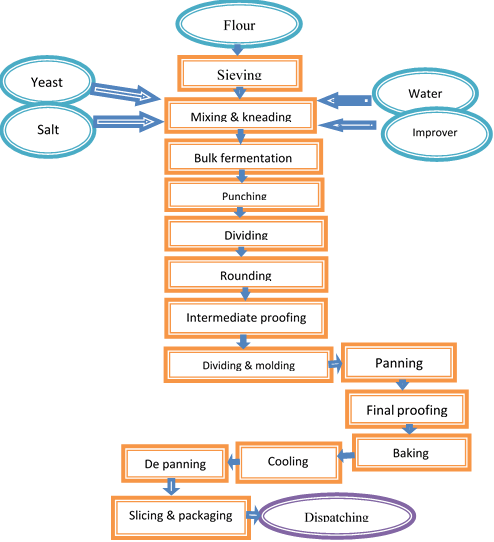
Figure 1. Flow diagram of bread processing.
Analysis methods
The proximate analysis involved assessing the proximate chemical composition of the composite flours utilized in bread processing and their resulting products. To prepare the bread samples for analysis, they were dried in an oven at 65°C for 12 hours. This analysis encompassed various factors such as moisture content, wet gluten, color, ash, granulation, water absorption capacity (measured by the Farinograph), and falling number. The methods used to determine these factors were as described by the AOAC (1996 ICC standard no 107/1). These composite flours were assessed using the following ratios: 100:0, 95:5, 90:10, 85:15, 80:20, 75:25, and 70:30, respectively. This analysis was conducted in accordance with the official methods of analysis established by the AOAC. The bread products derived from both the control and blended flours were assessed for various factors including moisture, protein, ash, crude fiber, fat, carbohydrates, and energy. This assessment was conducted using the method. The determination of the samples for all parameters was conducted in duplicate.
Moisture content determination
The moisture content of the normal and blended flour samples was confidently determined using a rapid moisture tester, following the method outlined in ICC No. 110/1. To ensure consistency, the samples were thoroughly mixed and stored in plastic bags until moisture analysis was conducted. A precise weight of 5.0 grams of each sample was confidently placed on a stainless steel moisture testing plate. This plate was then confidently subjected to a temperature of 70°C in an oven for a confident duration of 48 h.

Where: wt=weight
Granulation (particle size)
The granularities of the normal and blends were determined by sieving 50 g of the samples using 180 mesh size sieves (ES 1052:2005). The percentage through (granulation) of each sample was then calculated using the following formula.
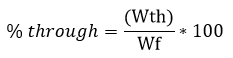
Where:
Wth=Weight of flour through the sieve,
Wf=Initial weight of flour
Color grade
The brightness of the flours was ensured by measuring the color grade value of the flour samples according to the method described by Popovska. A beaker, containing 50 ml of distilled water, held about 30 g of flour sample and was stirred continuously for 45 seconds using a glass rod to create a paste. The paste was subsequently poured into the sample cell, which was then inserted into the instrument. Within 90 seconds, the result was displayed.
Falling number
The Hagberg falling number apparatus was utilized to assess the falling number of the flour samples, following the ICC standard No 107/1 for determining the amylase activity of flour as described by Jukic et al (Figure 2).
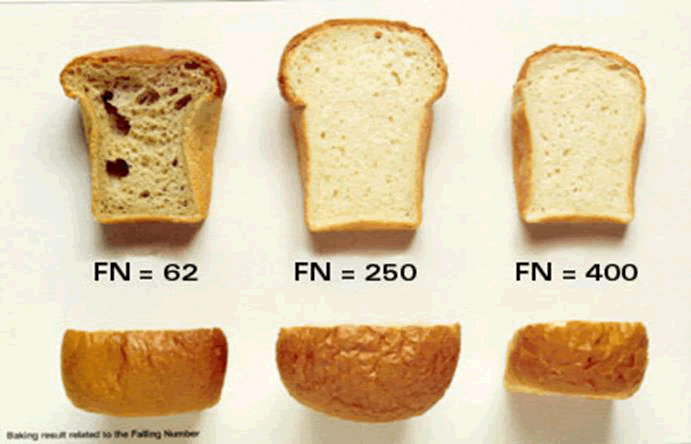
Figure 2. Effect of falling number on bread quality.
Wet gluten content
As described by Liu et al., a 2% saline solution was prepared by dissolving 40 grams of salt in two liters of distilled water. Subsequently, 10 grams of flour for each blend ratio were combined with 4-5 milliliters of the aforementioned 2% saline solution to form dough. The resulting dough was then gradually rinsed with 2% saline water for duration of 4-6 minutes, until a transparent solution became apparent.
Following this, the gluten obtained was subjected to further washing with regular tap water. The percentage of wet gluten can be ascertained by employing the subsequent formula (Figure 3).

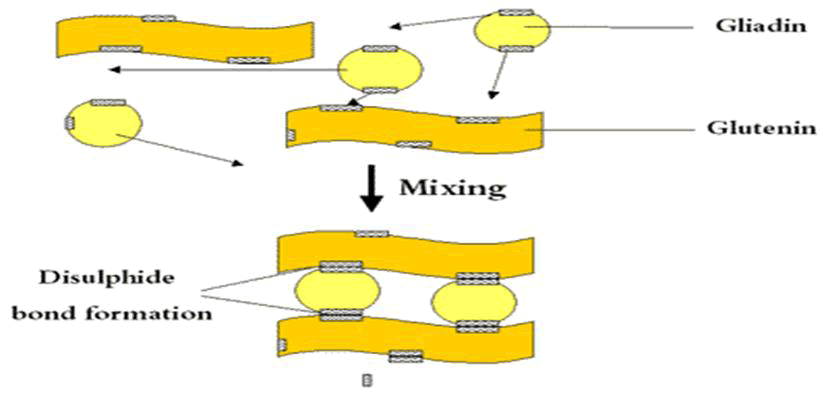
Figure 3. The formation of gluten (Perten Instruments, Glutomatic).
Farinograph measurement
The water absorption, stability, dough development, degree of softening, and farinograph quality number of both normal and blended flours were measured using the Bra bender Farinograph, following the standard method of ICC no 115/1 for determining the farinograph values of wheat flour. The Bra bender Farinograph automatically calculates the required amount of flour based on its moisture content. The mixer of the farinograph has a capacity of 300 g. The mixing process lasted for 20 minutes, with the torque speed set at 63 min.
Water absorption: Is the percentage of water needed to center the curve on the 500 BU line at the maximum consistency of the dough. It quantifies the amount of water necessary to be added to the flour in order to achieve a dough consistency of 500 FU during peak dough development. It is expressed as a percentage of the flour weight based on a moisture content of 14%. Therefore, farinograph values in general serve as an effective tool for selecting high-quality flour for bakers. The following farinogram, obtained from the Brabender measurement and control system, displays the farinograph parameters.
Stability: The time between the first and the second intersection point of the upper trace of the torque curve with the consistence line. This indicates the level of tolerance of the flour to over and under mixing. A higher value signifies a greater degree of tolerance. Conversely, stability is defined as the duration in minutes during which the farinogram maintains a position above the 500 FU line. This metric serves as a quantifiable measure of the dough's mixing tolerance and is also indicative of its strength.
Development time: The duration from the moment water is added (test initiation) until the point on the torque curve just prior to the onset of weakening, with the purpose of achieving complete development. It denotes the number of minutes necessary for the dough to attain maximum consistency. It presents a quantification of the resilience of the dough.
Farinograph quality number: Is determined by the point on the curve where there is a decrease of 30 FU after reaching the maximum, as indicated by the line on the diagram. This means that weak flour will weaken early and quickly, resulting in a low quality number. On the other hand, strong flour will weaken late and slowly, leading to a high quality number (Figure 4).
Weak flour - low quality number
Strong - high quality number
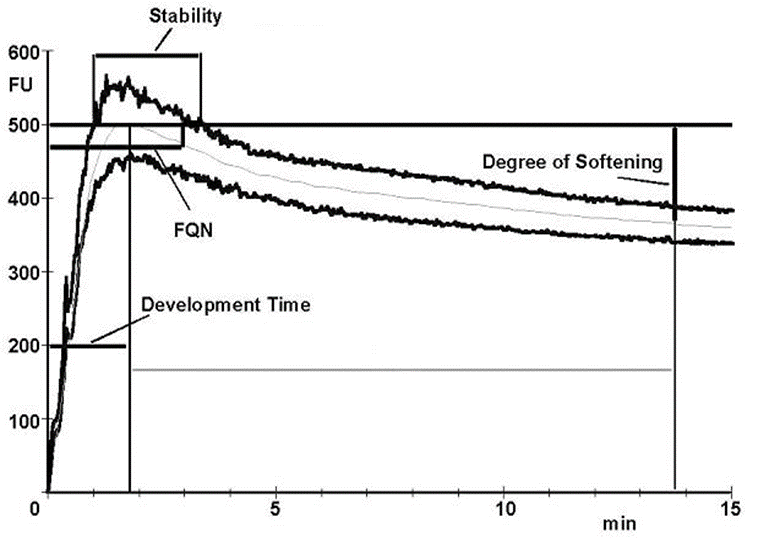
Figure 4. Schematic presentation of Farinograph parameters.
Extensograph measurement
This is specifically designed to accurately assess the equilibrium between the elastic and viscous characteristics of dough the method described by Della Valle et al. The curve depicted on the diagram provides valuable insights into the dough's resistance to extension as well as its extensibility. To obtain the necessary data, the dough is first mixed in the farinograph, then shaped into a cylinder, and subsequently placed in the extensograph cradle for a period of rest. Once the rest period has concluded, the cradle, along with the dough, is carefully positioned within the instrument, and the dough is steadily stretched at a constant rate using a hook. The height of the resulting curve directly correlates to the dough's resistance-to-extension, while the distance the dough is stretched before rupturing indicates its extensibility. Ideally, a harmonious balance between these two factors is preferred in bread making. As per the outlined procedure, the dough is stretched after rest periods of 45, 90, and 135 minutes or 30, 60, and 90 minutes (Figure 5).
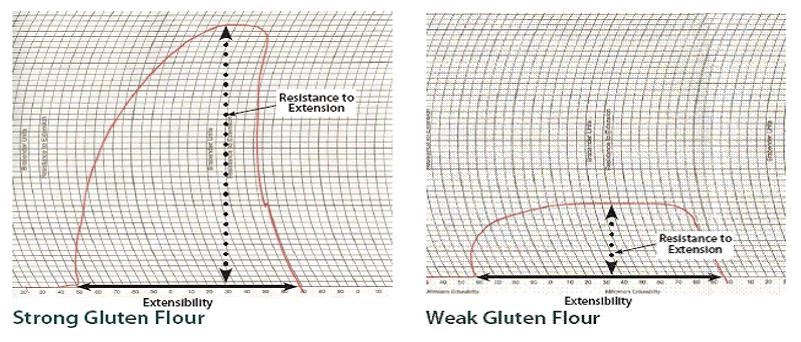
Figure 5. Schematic presentation of extensograph parameters.
Sensory evaluation of composite bread products
The determination of the sensory qualities of bread samples involves the evaluation of sensory attributes such as color, taste, texture, odor/smell, and overall acceptability. In order to evaluate the organoleptic characteristics of the bread samples, a sensory assessment was carried out by a group of 40 main panelists. These panelists, who were chosen at random from the Food and Beverage Industry Research and Development center staff, are all experienced food professionals. They were provided with clear instructions to rate the breads using a 9-point hedonic scale, ranging from 9 (liked extremely) to 1 (disliked extremely). The ratings were then statistically analyzed using the method described by Antonius et al. All sensory evaluations were carried out at room temperature.
The loaf volume
The loaf volume of each bread sample was determined 50 minutes after removing the loaves from the oven, employing the rape-seed displacement method described by de Bondt et al. Teff seeds were substituted for rapeseed. Using a weighing balance, the weight of each bread sample was measured. Subsequently, the volume of the container was obtained from the graduation on its body, denoted as V1 (cm3). Filling the container with approximately 4-5 times the volume of the loaf sample, the seeds were allowed to drop from a height of 15.24 cm above the container rim until a plateau was formed with the rim. The seeds were then removed, weighed, and recorded as W1 (g). The weight of the seeds that filled the container corresponded to the total weight of seed that completely occupied the volume of the container. Next, 1/3 of the container volume was filled with seeds, and the loaf was placed flat at the center. The remaining seeds were added until they overflowed from 15.24 cm above the container. Using a ruler, the seeds above the rim were trimmed to form a plateau with the container. The seeds displaced by the loaf were collected, weighed, and recorded as W2 (g). This weight of seeds corresponded to the volume of space displaced by the loaf sample in the container.
The loaf weight: The loaf weight for each bread sample was determined by directly weighing it on a weighing balance with absolute certainty.
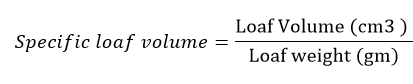
The specific loaf volume: The specific loaf volume for each sample was confidently determined by dividing the loaf volume of each sample by its corresponding loaf weight.
Experimental design and data analysis
Each sample underwent duplicate determinations. Significant differences in the results were assessed using Dunken's test within a one-way Analysis of Variance (ANOVA). Statistical analysis was conducted with a confidence interval set at p<0.05 using the comprehensive capabilities of Minitab 19.2 software.
Quality characteristics of composite flours for bread production
The moisture content, wet gluten, color, granulation, and falling number of all composite flours were determined and are presented in Table 1. It was observed that the moisture content of the flours fell within the standard requirement specified by Ethiopian standard 1015:2017, ranging from 12.06 to 12.45. The composite flour containing 95% wheat flour and 5% corn flour exhibited the lowest moisture content, while the composite flour containing 70% wheat flour and 30% corn flour showed the highest moisture content. This can be attributed to the higher percentage of corn flour used in the mixture. The study's findings align confidently with the previous research.
In the production of white bread, lower values of color grade are preferred. Therefore, as the percentage of corn flour increased in the composite flour, the color grade steadily increased as well. This is because the milling process of corn flour includes some bran inclusions. The control wheat flour (100% WF) yielded the highest wet gluten content, while the composite flour (70% WF+30% CF) had the lowest wet gluten. The reduced wet gluten content in the composite flour is attributed to the higher percentage of corn flour, which lacks the elastic gluten found in wheat. As the percentage of corn flour increased in the composite flour, the wet gluten content decreased. Table 2 demonstrates this trend. Bread bakers prefer higher wet gluten values due to their ability to absorb more water, increase the protein content of bread, improve gas retention, and increase the volume of the loaf. The particle size of the composite flours ranged from 73.25% to 95.20% with a sieve analysis of mesh size 180 micrometer. The largest particle size was observed in normal corn flour, thanks to its coarser milling. With an increase in corn flour percentage, the granularity of the composite flour significantly decreased. The falling numbers for both normal and composite flours did not differ significantly, although they were slightly higher than the standard requirement (ICC No 107/1). This finding were alignment with other research studies.
| Composition | Control | 95% WF | 90% WF | 85% WF | 80% WF | 75% WF | 70% WF |
| (%) | (100% WF) | +5% CF | +10% CF | +15% CF | +20% CF | +25% CF | +30% CF |
| Moisture | 12.06 ± 0.06a | 11.80 ± 0.06b | 11.96 ± 0.23b | 12.30 ± 0.00a | 12.20 ± 0.0a | 12.35 ± 0.07a | 12.45 ± 0.70a |
| Wet gluten | 29.50 ± 0.70a | 29.01 ± 0.00a | 25.50 ± 0.70b | 25.15 ± 0.71b | 23.00 ± 0.42c | 23.65 ± 0.35c | 21.75 ± 1.20d |
| Color | 92.23 ± 0.03b | 92.59 ± 0.01b | 92.48 ± 0.01b | 92.79 ± 0.04b | 92.89 ± 0.01b | 93.14 ± 0.15a | 93.38 ± 0.12a |
| Granulation | 95.20 ± 1.83a | 89.75 ± 0.35b | 87.40 ± 0.56b | 84.15 ± 0.35c | 81.40 ± 0.0d | 77.97 ± 0.47e | 73.25 ± 0.35f |
| Falling no. | 330.50 ± 3.53a | 322.50 ± 3.53c | 326.00 ± 2.8b | 322.00 ± 11.31c | 320.00 ± 0.7c | 326.50 ± 0.7b | 312.50 ± 2.12d |
| Note: All values are means of triplicates ± SD means with the different superscript letters within a row are significantly different at (p<0.05) values, WF=Wheat flour, CF=Corn flour. | |||||||
Table 1. Quality characteristics of composite flour.
Farinograph values of composite flours
The Farinograph values of blended flours for bread production are clearly shown in Table 2 & Figures 6-12. The Control (100% WF) demonstrates the highest stability (mixing tolerance), while the composite flour (95% WF+5% CF) exhibits the lowest value. This is a result of the absence of gluten in the corn flour. The normal wheat flour also shows the longest dough development time due to its high gluten content. The normal wheat flour also achieves the highest farinograph quality number and the lowest degree of softening. These values clearly indicate that the normal wheat flour is strong flour. As the quantity of corn flour increases, the strength of the flour decreases. This is because the addition of corn flour leads to a reduction in the gluten content of the composite flour. Therefore, it is highly recommended to use flour that is rich in gluten for the preparation of bread flour. The findings are consistent with those of other studies.
| Parameters | Control | 95% WF | 90% WF | 85% WF | 80% WF | 75% WF | 70% WF |
| (100% WF) | +5% CF | +10% CF | +15% CF | +20% CF | +25% CF | +30% CF | |
| Consistency, FE | 492 ± 0.03b | 488 ± 0.23c | 496 ± 0.03b | 492 ± 0.03b | 508 ± 0.27a | 502 ± 0.00a | 506 ± 0.27a |
| Water absorption corr. for default consistency | 56.0 ± 0.00a | 55.4 ± 0.01b | 54.8 ± 0.05b | 53.6 ± 0.12c | 52.8 ± 0.25d | 52.1 ± 0.23d | 51.5 ± 0.01e |
| Water absorption corr. for default moisture content | 53.8 ± 0.00a | 53.1 ± 0.07b | 52.6 ± 0.05c | 51.4 ± 0.12d | 50.6 ± 0.08e | 49.9 ± 0.07f | 49.3 ± 0.06f |
| Stability (min) | 03:09 ± 0.01d | 03:08 ± 0.0d | 03:15 ± 0.07c | 3:32 ± 0.17b | 3:37 ± 0.05a | 03:36 ± 0.01a | 03:32 ± 0.04b |
| Degree of softening (10 min after beginning) | 95 ± 0.00a | 94 ± 0.01b | 95 ± 0.01a | 88 ± 0.07c | 87 ± 0.01d | 85 ± 0.02e | 80 ± 0.05f |
| Degree of softening (ICC/12 min after max.) | 110 ± 0.01a | 110 ± 0.06a | 109 ± 0.01b | 103 ± 0.06d | 104 ± 0.01c | 100 ± 0.04e | 99 ± 0.01f |
| Development time (min) | 02:00 ± 0.59c | 02:13 ± 0.1b | 01:29 ± 0.84e | 1:45 ± 0.16d | 02:17 ± 0.72b | 01:58 ± 0.59c | 02:43 ± 0.85a |
| Farinograph quality number | 39 ± 0.00e | 39 ± 0.00e | 38 ± 0.01f | 40 ± 0.02d | 41 ± 0.01c | 42 ± 0.01b | 44 ± 0.02a |
| Note: All values are means of triplicates ± SD means with the different superscript letters within a row are significantly different at (p<0.05) values, WF=Wheat flour, CF=Corn flour | |||||||
Table 2. Farinograph values of composite flour.
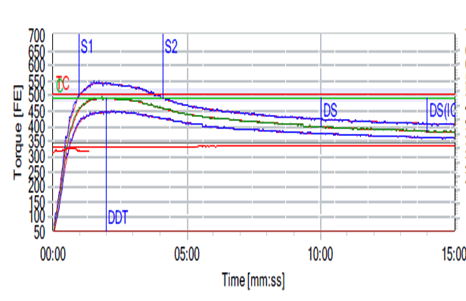
Figure 6. Farinograph of control (100% WF).
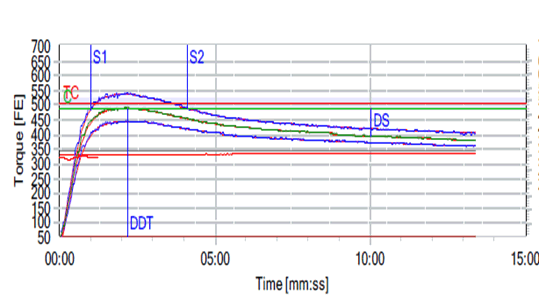
Figure 7. Farinograph of composite flour (95% WF+5% CF).
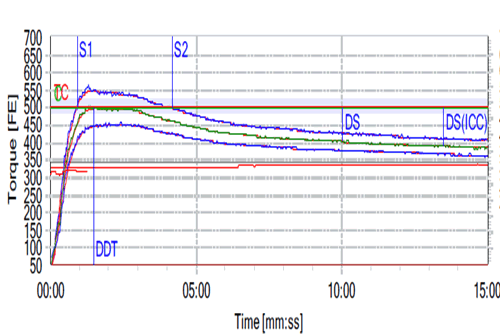
Figure 8. Farinograph of composite flour (90% WF+10% CF).
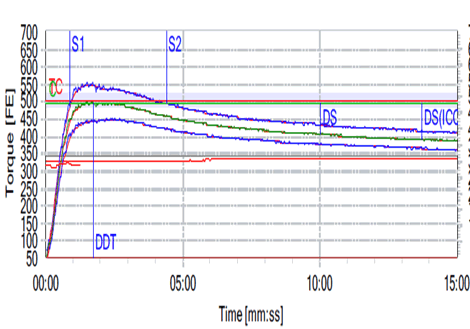
Figure 9. Farinograph of composite flour (85% WF+15% CF).
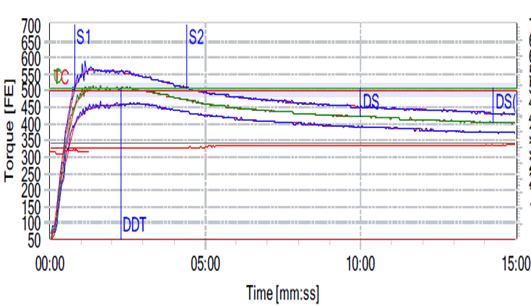
Figure 10. Farinograph of composite flour (80% WF+20% CF).
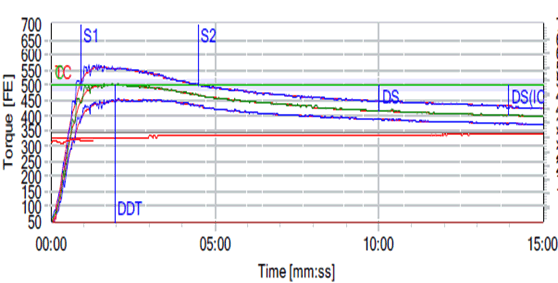
Figure 11. Farinograph of composite flour (75% WF+25% CF).
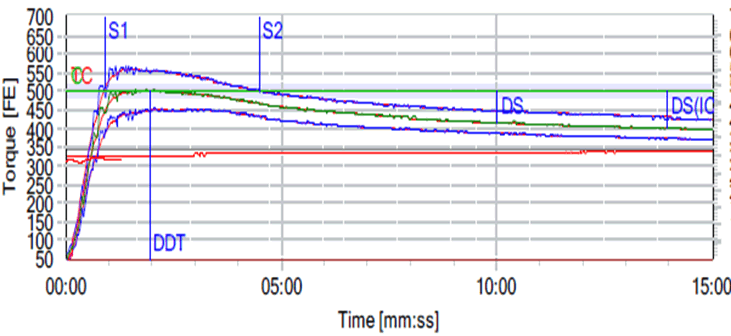
Figure 12. Farinograph of composite flour (70% WF+30% CF).
Extensograph values of composite flours
The Extensograph values of blended flours for bread production, as depicted in Figures 13-19 for sample 1, sample 2, sample 3, and sample 4, exhibit remarkably similar characteristics. The dough possesses the ideal strength and elastic properties required for bread production, resulting in light and voluminous baked goods with excellent volume. Sample 5 dough, on the other hand, displays the characteristics of strong flour dough, with a slightly elastic and extensible nature compared to sample 1. Conversely, samples 6 and 7 exhibit a rigid and tough dough structure, indicating deficient gluten content and poor elastic properties, consistent with the findings of previous studies.
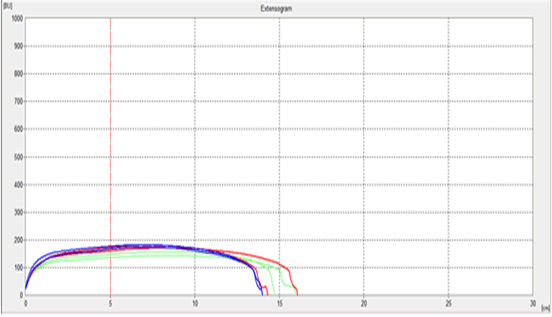
Figure 13. Control (100% WF).
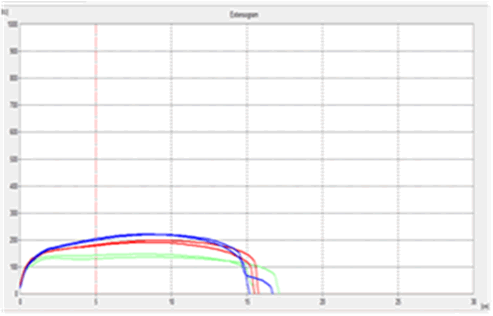
Figure 14. Composite flour (95% WF+5% CF).
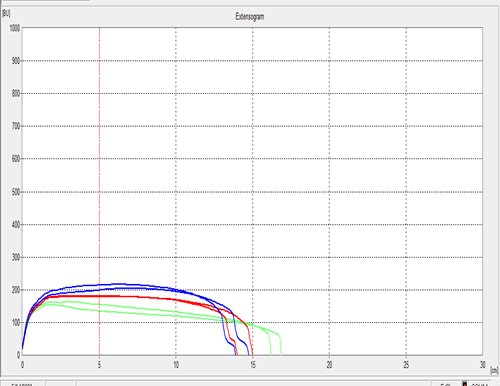
Figure 15. Composite flour (90% WF+10% CF).
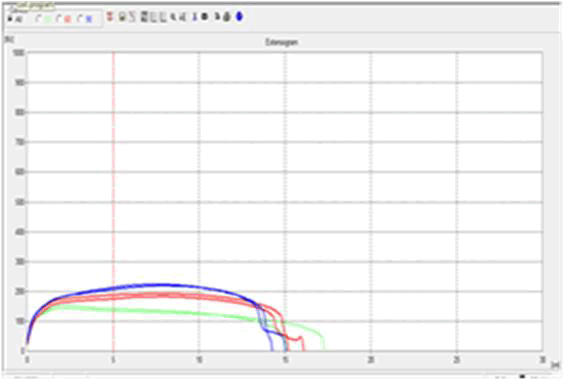
Figure 16. Composite flour (85% WF+15% CF)
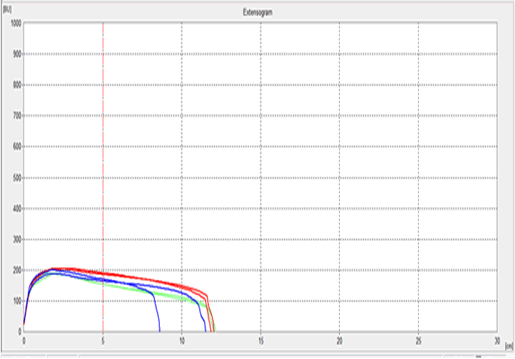
Figure 17. Composite flour (80% WF+20% CF).
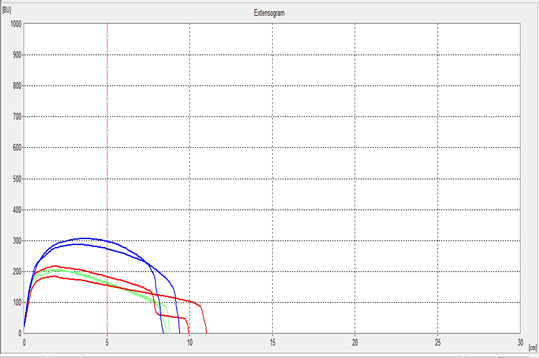
Figure 18. Composite flour (75% WF+25% CF).
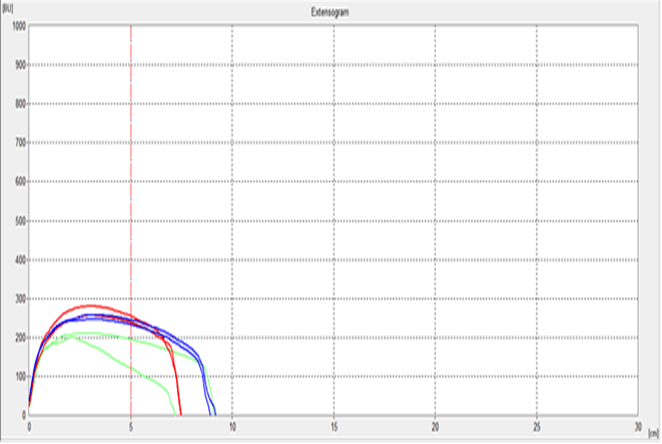
Figure 19. Composite flour (70% WF+30% CF).
Proximate composition of composite bread products
The moisture contents of the breads from Table 3 clearly demonstrate that the composite flour (70% WF+30% CF) bread possesses the highest moisture content at 33.70%. Among the composite bread, the crude protein content of composite flour (70% WF+30% CF) bread stands out as the highest at 10.27%. Additionally, the crude fiber content of composite flour (70% WF+30% CF) bread is 1.67%, while that of composite flour (95% WF+05% CF) bread is 0.72%. The composite flour bread with the highest crude fat content is the composite flour (90% WF+10% CF) bread. Similarly, the composite flour bread with the highest ash content is the composite flour (95% WF+05% CF) bread. Remarkably, the composite flour (80% WF+20% CF) bread exhibits the highest carbohydrate content among the bread samples at 55.86%. Lastly, the energy content of composite flour (70% WF+30% CF) bread is the highest at 280.88% based on the results of the energy Kcal/100 g contents of the flours from Table 3. This study was related to previous studies on the properties of composite flour bread samples.
| Sample | Moisture (%) | Crude protein (%) | Crude fiber (%) | Crude fat (%) | Ash (%) | Total carbohydrate (%) | Energy kcal/100 g |
| Control (100% WF) | 31.29 ± 0.02b | 10.21 ± 0.00a | 0.86 ± 0.06c | 1.15 ± 0.04b | 1.66 ± 0.00e | 54.69 ± 0.00b | 269.950.04b |
| 95% WF+5% CF | 31.56 ± 0.02b | 10.27 ± 0.03a | 0.72 ± 0.14d | 0.46 ± 0.06e | 1.88 ± 0.02a | 55.83 ± 0.016a | 268.540.03b |
| 90% WF+10% CF | 32.58 ± 0.08a | 9.89 ± 0.04b | 0.78 ± 0.06d | 1.25 ± 0.07a | 1.76 ± 0.05c | 54.52 ± 0.01b | 268.89 ± 0.04b |
| 85% WF+15% CF | 32.52 ± 0.02a | 9.95 ± 0.06b | 1.23 ± 0.04b | 0.64 ± 0.61d | 1.80 ± 0.06b | 55.09 ± 0.12a | 265.92 ± 0.02c |
| 80% WF+20% CF | 31.68 ± 0.08b | 9.89 ± 0.03b | 1.66 ± 0.01a | 0.72 ± 0.08c | 1.85 ± 0.05a | 55.86 ± 0.16a | 269.48 ± 0.03b |
| 75% WF+25% CF | 32.62 ± 0.01a | 9.68 ± 0.21b | 1.18 ± 0.04b | 1.21 ± 0.04a | 1.71 ± 0.00d | 54.75 ± 0.16b | 280.88 ± 0.11a |
| 70% WF+30% CF | 33.70 ± 0.02a | 9.37 ± 0.03b | 1.67 ± 0.01a | 0.63 ± 0.01d | 1.71 ± 0.00d | 54.59 ± 0.01b | 261.51 ± 0.02d |
| Note: All values are means of triplicates ± SD means with the different superscript letters within a column are significantly different at (p<0.05) values, WF=Wheat flour, CF=Corn flour. | |||||||
Table 3. Proximate composition and loaf volumes of bread samples.
The incorporation of corn flour observed in Figures 20-26 are significantly decreased the volume of the loaf, while the weight of the loaf remained almost the same for all samples. The level of supplementation was found to cause a decrease in specific volume, possibly due to the dilution of gluten protein. Previous investigators have also noted that the incorporation of low gluten flour leads to a decrease in loaf volume. As showed in Table 4, the control sample (100% WF) bread had the highest loaf volume of 500 cm3 and a specific loaf volume of 4.76 g/cm3. This finding aligns with the studies of other researchers.
| Sample | Loaf weight (g) | Loaf volume (cm3) | Specific volume (g/cm3) |
| Control (100% WF) | 104.50 ± 0.70a | 500.00 ± 0.00a | 4.76 ± 0.26a |
| 95% WF+5% CF | 105.00 ± 0.00a | 474.75 ± 0.35b | 4.52 ± 0.26b |
| 90% WF+10% CF | 105.00 ± 0.00a | 449.50 ± 0.70c | 4.28 ± 0.05c |
| 85% WF+15% CF | 105.00 ± 0.00a | 400.50 ± 0.70d | 3.80 ± 0.05d |
| 80% WF+20% CF | 105.00 ± 0.00a | 349.75 ± 0.70e | 3.30 ± 0.47e |
| 75% WF+25% CF | 105.00 ± 0.00a | 344.5 ± 0.707f | 2.85 ± 0.47f |
| 70% WF+30% CF | 105.00 ± 0.00a | 270.50 ± 0.70g | 2.38 ± 0.47g |
| Note: All values are means of triplicates ± SD means with the different superscript letters within a column are significantly different at (p<0.05) values but loaf weight are not significant, WF=Wheat flour, CF=Corn flour. | |||
Table 4. Bread samples loaf weight, volume and specific volume.
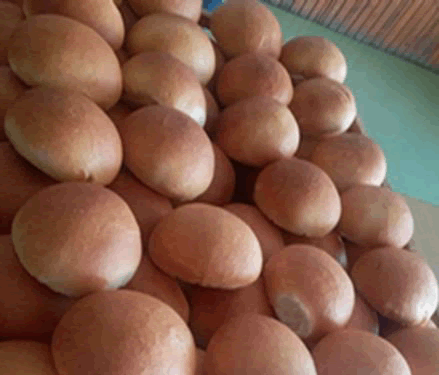
Figure 20. Control (100% WF).
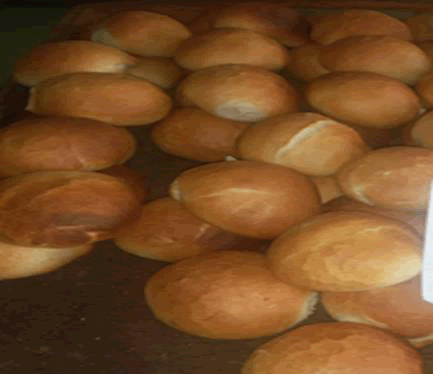
Figure 21. Composite flour (95% WF+5% CF).
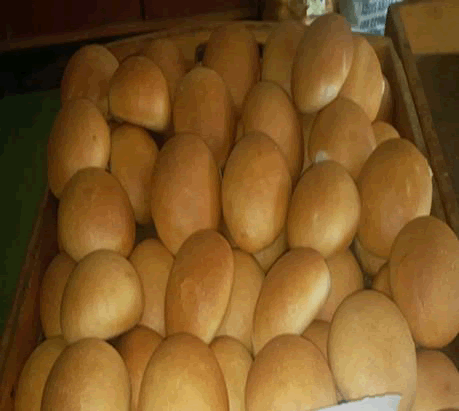
Figure 22. Composite flour (90% WF+10% CF).
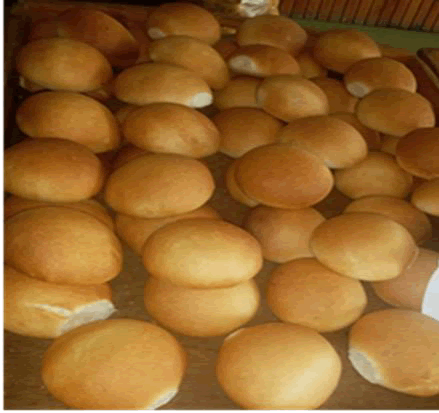
Figure 23. Composite flour (85% WF+15% CF).
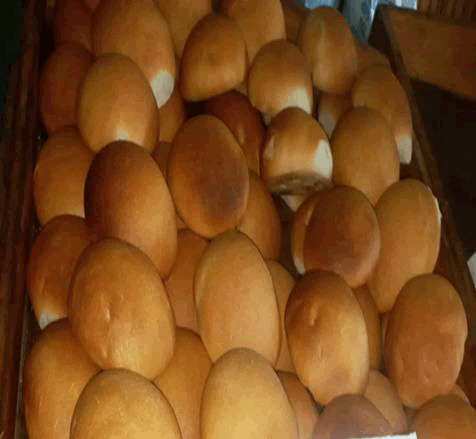
Figure 24. Composite flour (80% WF+20% CF).
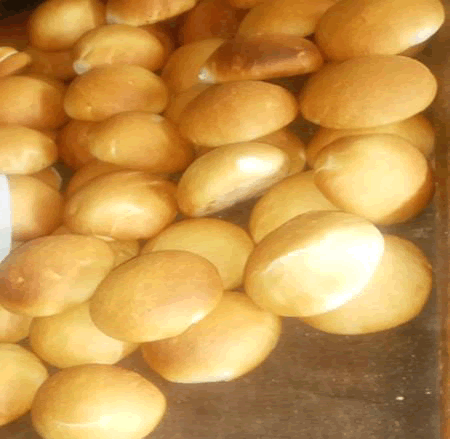
Figure 25. Composite flour (75% WF+25% CF).

Figure 26. Composite flour (70% WF+30% CF).
Sensory evaluation of composite flours bread
Sensory analysis of color, taste, texture, odor/smell, and overall acceptability was conducted using 9 hedonic scales with semi-trained panelists. The bread samples' sensory hedonic mean scores can be found in Tables 5. As the proportion of corn flour in the blends increased, the mean scores for sensory attributes decreased. The bread made with the control sample (100% WF) achieved the highest value; while the bread made with composite flour (70% WF+30% CF) recorded the lowest value. Based on the sensory quality evaluation, bread made with composite flour (85% WF+15% CF), using hard wheat flour, fulfilled most of the quality attributes. Generally, the samples with control (100% WF), composite flour (95% WF+5% CF), (90% WF+10% CF), (85% WF+15% CF), and (80% WF+20% CF) were acceptable to consumers. However, the samples with composite flour (75% WF+25% CF) and (70% WF+30% CF) were less acceptable to the panelists due to their color, taste, texture, odor/smell, and overall acceptability. This study is in agreement with other similar studies.
| Mean sensory attributes | |||||
| Sample | Color | Taste | Texture | Odor | Overall acceptability |
| Control (100% WF) | 7.75 ± 1.41a | 7.85 ± 1.48a | 7.62 ± 1.74a | 7.60 ± 1.37a | 7.75 ± 1.44a |
| 95% WF+5% CF | 7.17 ± 1.55a | 7.17 ± 1.41b | 6.80 ± 1.66b | 6.95 ± 1.48c | 6.87 ± 1.50b |
| 90% WF+10% CF | 7.35 ± 1.49b | 6.70 ± 1.85d | 6.80 ± 1.69b | 6.97 ± 1.40c | 6.72 ± 1.51d |
| 85% WF+15% CF | 7.35 ± 1.12b | 6.82 ± 1.19c | 6.42 ± 1.69c | 7.10 ± 1.33b | 6.90 ± 1.41c |
| 80% WF+20% CF | 6.85 ± 1.68c | 6.52 ± 1.43e | 6.20 ± 1.71d | 6.75 ± 1.25d | 6.35 ± 1.76e |
| 75% WF+25% CF | 6.35 ± 1.98d | 5.92 ± 2.13f | 5.45 ± 2.19e | 5.82 ± 2.09e | 5.80 ± 2.09f |
| 70% WF+30% CF | 5.47 ± 2.50e | 4.87 ± 2.37g | 5.07 ± 2.44f | 5.42 ± 2.26f | 5.02 ± 2.53g |
| Note: All values are means of triplicates ± SD means with the different superscript letters within a column are significantly different at (p<0.05) values with 100% control, 5% corn flour+95% wheat flour, 10% corn flour+90% wheat flour, 15% corn flour+85% wheat flour, 20% corn flour+20% wheat flour, 2 5% corn flour+75% wheat flour and 30% corn flour+70% wheat flour, WF=Wheat Flour, CF=Corn Flour. | |||||
Table 5. Sensory evaluation of bread products.
The quality analysis results demonstrate a significant distinction between the control (100% WF) and composite flour, particularly in terms of the wet gluten content. The production of composite bread loaves followed the basic bread baking process steps, including mixing, kneading, proofing, shaping, proofing, and baking. The loaf volume of the composite flours breads showed distinct variations across different samples, with the control (100% WF) exhibiting the highest volume and the sample with 70% WF and 30% CF showing the lowest volume. Interestingly, the composite flour with 95% WF and 5% CF displayed a loaf volume exceeding 400 cm3 , aligning with the control sample. Furthermore, the sensory analysis results indicate that the composite flour samples with 95% WF and 5% CF, 90% WF and 10% CF, and 85% WF and 15% CF were wellreceived in terms of overall acceptability, as evaluated by panelists.
The samples' proximate composition, including protein, moisture, ash, fat contents, and caloric values, underwent analysis at the main laboratory of the conformity assessment enterprise. The protein content of the control (100% WF) and the composite flour samples displayed variations, with the addition of corn flour leading to an increase in protein content. Specifically, the protein values for the different samples were 10.21, 10.27, 9.89, 9.95, 9.89, 9.68, and 9.37, respectively. Moreover, the addition of corn flour improved the caloric values of the bread loaves, with the values for the control (100% WF) and the composite flour samples being 269.95, 268.54, 268.89, 265.92, 269.48, 280.88, and 261.51, respectively.
In general, the research findings have conclusively demonstrated that incorporating 15% corn flour into wheat flour significantly improves the quality of the final product. Both the proximate composition analysis and sensory analysis results confirm this fact. Moreover, it is entirely feasible to partially substitute wheat flour with corn flour, thereby addressing the wheat shortage and reducing the price of bread loaves. The sensory attributes and overall acceptability of bread baked with 10, 15, and 20% composite flours were found to be indistinguishable from the control (100%). Consequently, the incorporation of corn flour, alongside wheat flour, at a percentage of 10, 15, or 20% is perfectly acceptable in bread production. Furthermore, the research work has provided compelling evidence that the inclusion of corn flour in bread production significantly enhances the nutritional content of the final product. Hence, it is strongly recommended to add 15% corn flour to wheat flour in order to achieve a bread of exceptional quality and rich in nutrients.
The data supporting the findings of this study are available from the corresponding author upon request.
Mr. Melaku Agegne and Mss. Eleni Asnake conducted all experiments, and Mr. Bisrat Walle wrote the manuscript. Mr. Bekele Mekuria and Mr. Daniel Girma provided assistance, support, advice, and guidance throughout the research process, particularly during laboratory work, and offered constant encouragement from the initial to final stages of the research. All authors contributed to the manuscript revision and approved the final version.
We are grateful to God for His guidance. Special thanks to the top management and research council of the Food and Beverage Industry Research and Development Center for their support. We appreciate the Finance Administration, HR Development desk, FBIRDC staff, FAFA Food Share Company, Alvima Food Processing Company, and our colleagues for their invaluable assistance.
The authors declare that they have no conflicts of interest.
[Crossref] [Google Scholar] [PubMed]
Citation: Emiru BM et al., (2025). Utilization of Corn Flour in Bread Production as a Means of Mitigating Wheat Shortage. AJFST. 16:003.