

 +44-7897-074717
Research Article - African Journal of Food Science and Technology ( 127) Volume 16, Issue 2
Received: 31-May-2025, Manuscript No. AJFST-25-166204;
Meat, the main source of protein, occupies an important place in our diet. Meat can be part of a balanced diet providing important nutrients for health. Fortunately, the production of poultry and beef has increased. The hygienic quality of meat is not always guaranteed. Microorganisms such as Staphylococcus aureus are often found in meat carcasses and can cause diarrhea, food poisoning, gastroenteritis and other infections. This study was designed to evaluate meat safety practice and hygiene among various butcheries and supermarkets in Yaoundé Cameroon by assessing for the presence of Staphylococcus aureus in different cattle meat and butchers hands samples. Based on our inclusion and non-inclusion criterias, 240 samples were collected from consented participants. Using gloves hands, 50g of meat samples were collected and a sterile swab soaked in saline solution was used to collect samples from the hands of each butcher. All samples were cultured and assessed by biochemical tests, followed by Polymerase Chain Reaction (PCR) using specific primers for S. aureus 16S rRNA gene and nuc gene. This study revealed that 12.92% samples presenting colonies that reacted positively to catalase, coagulase and DNase contained S. aureus isolates. Subsequently PCR identification targeting the 16SrRNA and nuc gene specific to S. aureus confirmed these results. Before handling the meat, S. aureus contamination was more prevalent on the butchers' hands (23.33%, 14/60) than on the meats (8.33%, 5/60), with a significant difference (P=0.024). Similarly, after handling the meat, the butchers' hands remained the most contaminated. The meats most contaminated by S. aureus came from structures where poor hygiene conditions were observed (16/19). From this study, Characterizing S. aureus in meats and butcher’s hands is essential. PCR-based methods were proven to be fast and reliable, capable of identifying and detecting as few as 100 cells of S. aureus. The results also indicate that high levels of contamination were associated with butcheries and supermarkets with poor hygienic conditions.
Meat, Butchers' hands, Prevalence, S. aureus, Polymerase Chain Reaction (PCR).
Eating is a primary need for everyone. The foods we eat must be healthy and balanced to provide the body with the nutrients necessary for physical, mental and well-being (Afnabi et al, 2015); (Tidjani et al, 2013). About 25% of the population still suffers from chronic undernourishment in sub-Saharan Africa. Malnutrition is generally rife in poor countries because of nutritional deficiencies. Meat, the main source of protein, occupies an important place in our diet. It has a high protein content and contains all the essential amino acids, iron, zinc and vitamins A, B12, B6, D and E in particular. In addition, meats are rich in lipids, carbohydrates essential for growth and development. Meat can be part of a balanced diet providing important nutrients for health. Fortunately, the production of poultry and beef has increased. World production of bovine meat was estimated in 2013 at 67.7 million tons and that of poultry meat at 107.0 million tons. Meat production in Cameroon reached 344,000 tons in 2016 with around 7.4 million head of cattle 6]. Cattle meats are marketed in Cameroon in fresh or processed forms (roast, shawarma, beefsteak, kebabs, sausages, etc.). Unfortunately, the hygienic quality of meat is not always guaranteed. Nearly 1 in 10 people in the world fall ill after consuming food contaminated with one or more of 31 different pathogens (bacteria, viruses, parasites, toxins and chemicals; among them, 420,000 die from it. Foodborne illness is a global public health problem; Apart from the toxi-infections that they can cause very quickly after consumption, they can also cause long-term illnesses, such as cancer, kidney or liver failure and brain or nervous disorders. These diseases can be more serious in children, pregnant women, the elderly or those with a weakened immune system. Microorganisms such as Staphylococcus aureus, Escherichia coli and Salmonella were found in the meat carcasses which are potential causative agents of diarrhea, dysentery, various infections, food poisoning and gastroenteritis or typhoid fever (Obeng et al, 2013); (Auvray et al, 2012); (Rocha et al, 2019); (Wildeman et al, 2020).
The microorganism Staphylococcus aureus is a bacterium of the Micrococcaceae family of spherical shape, from 0.5 µm to 1.5 µm in diameter. It is a non-motile, asporulate, facultative aerobic bacterium with catalase. Staphylococcus aureus is a mesophilic bacterium, it is inhibited without being destroyed by refrigeration and freezing. It grows faster in the presence of oxygen and can thrive on foods high in sugar or salt. These bacteria can survive in dehydrated foods. Immobile, non-sporulated, facultative aero-anaerobes, they grow easily in ordinary surroundings. Their reservoir is located in the commensal flora of the skin and mucous membranes (nasals, mouth, throat) of warm-blooded animals and in particular, humans. This bacterium is easily destroyed by cooking. On the other hand, the S. aureus toxin is thermostable, that is to say the cooking of the food, while it can kill the bacteria, it does not allow the destruction of the toxin. Pathogenic to humans, symptoms appear after ingestion of food contaminated with enterotoxin produced by Staphylococcus aureus after 2 to 4 hours on average. It is estimated that 100,000 bacteria per gram of food are required for the corresponding concentration of toxin produced to cause disorders. S. aureus is a pathogenic microorganism with at least two types of clinical manifestations known in humans. Staphylococci are first often implicated in cases of foodborne illness where there is production of a heat-resistant enterotoxin responsible for gastroenteritis (Generalov 2017); (Cheung et al, 2021); (Wongboot et al, 2013); (González-Domínguez et al, 2020).
The main gene builds the framework of the S. aureus genome and is highly conserved. The accessory region that accounts for 25% of S. aureus genome washaving mobile genetic elements as the transposons, chromosome-cassette tapes, pathogenicity islands, genome tropical islands, and horizontally acquired prophages. In the field, different S. aureus strains have the ability to produce a wide range of exo-enzymes, with the existence of several virulence factors. The nuc gene encodes thermonuclear and is widely used as a specific target for the detection of S. aureus by polymerase chain reaction (PCR). Numerous PCR-based studies were carried out targeting the nuc gene alone or in combination with the mecA gene for rapid identification or recognition of methicillin-susceptible S. aureus and methicillin-resistant S. aureus. Also, the nuc gene has been extensively utilized as an individual marker for detecting S. aureus contamination (Mahros et al, 2021); (Ebuete et al, 2020); (Rani et al, 2017); (Gutema et al, 2021); (Havelaar et al, 2015).
The wholesomeness of meat is a shared responsibility for all individuals in the food chain. To correct the errors from farm to fork, there is a deep need of education and training in the prevention of foodborne diseases among abattoir workers, butchery, meat producers, suppliers, handlers, and the general public 19]. Standard and hygienic ways of handling and processing meats are generally neglected in developing countries. According to the World health Organization, foodborne illnesses are estimated to have caused 600 million cases, 420,000 deaths, and approximately 33 million years of life of impairment worldwide in 2010, with Africa facing the greatest burden of mortality. In order to reduce microbial contamination, hygienic handling techniques during preparation, distribution, storage, and retail sales must be improved. For health and safety reasons, it is essential to always wear protective gear and wash hands before and after selling meat. Wearing of an apron or gown during meat handling is an important practice that aims to protect both the meat handler and the meat from exposure to foodborne pathogens. Several studies have investigated meat safety knowledge and practices, while others determined the handling of meat practices along the beef supply chain and bacteriological quality of meat from abattoir and butcher shops in different countries. There is a critical need in the literature to investigate the practices of food handlers in their everyday activities of employment and the potential sources of microbiological contaminants that can impair the quality of meat products. When it comes to bacterial illnesses that spread through the consumption of meat and meat products, there is little information available about the precise amount of exposure of different populations to potential dangers. The presence of hygiene measures has an impact on hygiene, however, developed countries with excellent levels of hygiene also have foodborne illnesses. To protect the population from food-borne bacterial diseases, it is necessary to educate and campaign for proper sanitation and meat-handling practices in abattoirs and butcher shops. No documentation was available with regards to meat safety practices and hygiene among butcheries and supermarkets in Cameroon. Thus, the objective of this study was to isolate S. aureus from different cattle and butchers hanh infections, molecular detection of nuc gene in positive S. aureus isolates to evaluate meat safety practices and hygiene among different butcheries and supermarkets in Yaounde Cameroon. The results of this study may provide information on whether good meat production practices are being fully followed at the retail level and whether they pose a threat to the health of the public.
Sample Collection
We conducted a descriptive-analytical study. A total of 240 samples that met the inclusion criteria’s were retained for the study. The samples were taken in markets and supermarkets. In each selected butcher shop, the first meat sample was taken once during delivery, before the butcher touched it; here, we carefully aseptically collected approximately 50g of meat (wearing gloves and using a sterile blade). The second sample was taken at least one hour after the start of meat handling, by the butcher himself under normal working conditions. Each meat sample was taken using a sterile scalpel blade and placed in a sterile, labeled container. Before the butcher began handling the meat, we carefully aseptically collected the first sample from the hands of each selected butcher using a sterile swab soaked in saline solution according to aseptic rules (NF ISO 18593, 2004). The second sample was taken at least one hour after the start of meat handling, at the same time as the second meat sample was being taken. The sample was collected from the palms of the hands using a swab soaked in sterile saline solution. The entire surface of the palm was sampled perpendicularly. We avoided taking samples between the fingers. Sterile gloves were used to minimize the risk of cross-contamination. Once the sample was collected, we placed it in a sterile 15 ml polypropylene tube. The collected samples were placed in a cooler with ice packs at a temperature of 0°C to 4°C and immediately transported to the laboratory for analysis (Ntanga 2023); (Sulleyman et al, 2018).
Cultural and Biochemical Examination
We introduced 10g of meat or the swab into a tube containing 10 ml of Brain Heart Broth, incubated it at 37°C for 24h. We then removed 0.1ml of solution from each tube judged to be cloudy and introduced it onto Chapman agar. We inoculated it on the surface in Petri dishes by the quadrant method by exhaustion of streaks and incubated at 37°C for 24h. The golden-yellow colonies were explored via a Gram control and identified as Staphylococcus sp. by the presence of Gram-positive cocci grouped in clusters. These colonies constituted the starting point of the purification for the biochemical identification (catalase, coagulase and DNase) (Haileselassie et al, 2013); (Khanal & Poudel 2017); (Al Banna et al, 2021); (Chepkemoi et al, 2015); (Aburi, 2012).
DNA Extraction
A loopful of bacteria from the culture plate was placed into a 1.5 ml micro-centrifuge tube and mixed with 200 μl of 5% Chelex-100 resin (Bio-Rad) and 2 μl of Proteinase K (20 mg/ml, NEBiolabs). After incubation at 56°C for an hour then at 95°C for 10 minutes, the sample was mixed and then centrifuged at 13,000 rpm for 5 minutes to completely separate the layers. The DNA-containing supernatant was used as template in PCR reactions.
PCR for the Confirmation of the Isolates as Staphylococcus aureus
The isolated organisms that were preliminarily identified as Staphylococcus sp were confirmed by PCR using primers specific to Staphylococcus sp 16SrRNA gene (Table 1). PCR was performed following the procedure described by Mason et al, with slight modification. 25 reaction containing nuclease free water, 10Xthermopol buffer, 10 mM dNTPs (200 μM of each deoxyribonucleotide), 20 pmol of each primer and 5 U/μL Taq polymerase and 3 ng of DNA. After initial incubation at 94°C for 3 min, a 36-cycle amplification protocol was followed as 94°C for 90 s, 55°C for 60 s and 72°C for 60 s, and a final extension step of 72°C for 10 min. Electrophoresis of the PCR products was done using 2% agarose gel. After electrophoresis, the gel was stained for 10 minutes in ethidium bromide for visualization.
| Target gene | Primer name | Sequence (5'- 3') | Product size | Reference |
|---|---|---|---|---|
| 16SrRNA | SA –F | CCTATAAGACTGGGATAACTTCGGG | 791 bp | Mason WJ, et al (1991) |
| SA –R | CTTTGAGTTTCAACCTTGCGGTCG | |||
| nuc | Nuc-F | GCGATTGATGGTGATACGGTT | 267 bp | Brakstad et al (1992) |
| Nuc-R | AGCCAAGCCTTGACGAACTAAAGC |
Following the initial identification of Staphylococcus species by PCR targeting the 16S rRNA gene specific to the genus Staphylococcus, a subsequent PCR assay targeting the nuc gene was performed for species-level identification to confirmed the presence of Staphylococcus aureus, (Table 1). PCR was performed following the procedure described by Brakstad et al.,1992 with slight modification. 25 μl reaction containing nuclease free water, 10Xthermopol buffer, 10 mM dNTPs (200 μM of each deoxyribonucleotide), 20 pmol of each primer and 5 U/μL Taq polymerase and 3 ng of DNA. After initial incubation at 94°C for 3 min, a 37-cycle amplification protocol was followed as 94°C for 60 s, 55°C for 30 s and 72°C for 90 s, and a final extension step of 72°C for 3.5 min. Electrophoresis of the PCR products was done using 2% agarose gel. After electrophoresis, the gel was stained for 10 minutes in ethidium bromide for visualization (Shilenge et al, 2017).
Data Analysis
Data were entered and statistical analyses were performed using EPI INFO version 7.2.2.16. Using Pearson’s Chi-square (χ2) test difference among the variables was calculated. P values less than 0.05 were considered as significant.
Distribution of Samples by Collection Site
Meat and butcher’s hands samples were collected from 5 markets and 9 supermarkets, with a total of 42.5% meat samples and 42.5% butcher’s hands collected from all markets, 7.5% meat samples and 7.5% handler hands collected from all supermarkets. (Table 2).
| Frequency (%) | Total | ||
|---|---|---|---|
| Butcher hand | Meat | ||
| Markets | 51 (42.5%) | 51 (42.5%) | 102 (85%) |
| Supermarkets | 9 (7.5%) | 9 (75%) | 18 (15%) |
| Total | 60 (50%) | 60 (50%) | 120 (100%) |
Good Hygiene Practices
Of the 60 structures visited as part of this study, hygiene practices were considered average in most structure, 34 in total (56.66%), including 30 in markets and 4 in supermarkets. On the other hand, 22 structures had practices considered poor, including 21 in markets and 1 supermarket. Good hygiene practices were only truly applied in 4 structures, all of which were supermarkets. (Table 3).
| Hygiene score | Total | |||
|---|---|---|---|---|
| Good | Middle | Bad | ||
| Markets | 0 (0%) | 30 (50%) | 21 (35%) | 51 |
| Supermarkets | 4 (6.66%) | 4 (6.66%) | 1 (1.66%) | 9 |
| Total | 4 (6.66%) | 34 (56.66%) | 22 (36.66%) | 60 |
Characteristics of Meat Handlers
The butchers who took part in this study were all male, with an average age almost identical among meat handlers in markets and supermarkets. Almost all the supermarket handlers received training on Good Hygiene Practices (8/9) while only 2/49 market handlers were trained on the subject (Table 4).
| Average age | Sexe | Training in Good Hygiene Practices | |||
|---|---|---|---|---|---|
| Male | Female | Yes | No | ||
| Markets | 39.3!78+12.71 | 51 | 0 | 2 | 49 |
| Supermarkets | 38.55+9.54 | 9 | 0 | 8 | 1 |
| Total | 60 | 0 | 10 | 50 | |
Frequency of S. aureus after Microbiological and PCR Analyses
After microbiological and biochemical analysis, 12.92% samples presenting colonies that reacted positively to catalase, coagulase and DNase were those having S. aureus isolates. And subsequently PCR identification by amplifying 16SrRNA and nuc genes specific to S. aureus gave the same results. PCR resulted in band sizes of 781bp and 267bp corresponding to the 16SrRNA gene of Staphylococcus sp and the nuc gene of Staphylococcus aureus respectively (Figure 1). Before handling the meat, S. aureus contamination was found more on the butchers' hands 23.33% (14/60) than on the meats 8.33% (5/60) with a significant difference (P=0.024). Similarly, after handling the meat, the butchers' hands remained the most contaminated (Table 5).
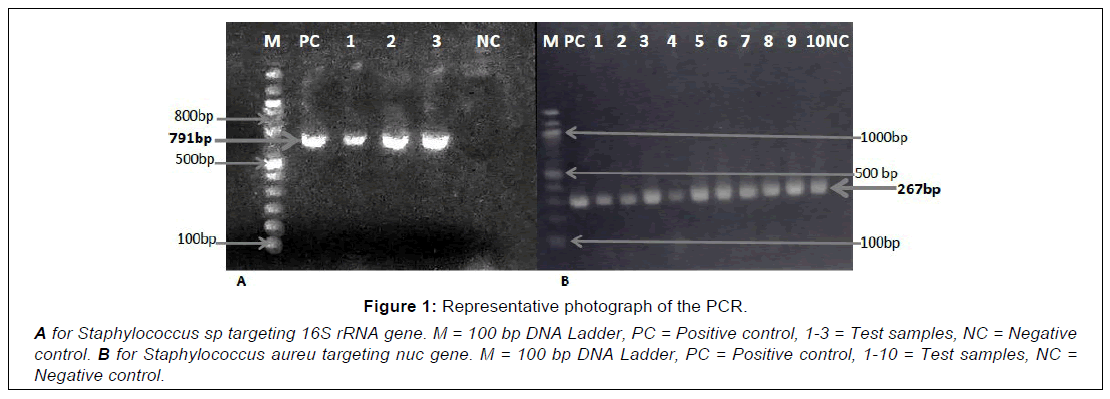
Figure 1. Representative photograph of the PCR.
A for Staphylococcus sp targeting 16S rRNA gene. M = 100 bp DNA Ladder, PC = Positive control, 1-3 = Test samples, NC = Negative
control. B for Staphylococcus aureu targeting nuc gene. M = 100 bp DNA Ladder, PC = Positive control, 1-10 = Test samples, NC =
Negative control.
| Avant | P.value | Après | P.value | |||
|---|---|---|---|---|---|---|
| Mains manipulateur | Viandes | Mains manipulateur | Viandes | |||
| Présence | 14 | 5 | 0.024 | 10 | 2 | 0.015 |
| Absence | 46 | 55 | 50 | 58 | ||
| Total | 60 | 60 | 60 | 60 | ||
Frequency of S. aureus according to Transport Conditions and Hygiene Practices
We note that there is no significant relationship between means of transport and meat contamination. However, we noticed that the most S. aureus contaminated meat was transported by vans (Table 6). The meats most contaminated by S. aureus mostly came from structures where poor hygiene conditions were observed (16/19) (Table 7). We also note that before handling the meats, contamination by S. aureus was roughly the same in the markets as in the supermarkets. However, after handling, contamination was observed only in the market.
| Refrigerated car | Tricycle | van-type cars | Pick-up | Total | |
|---|---|---|---|---|---|
| Present | 2 | 6 | 11 | 0 | 19 |
| Absent | 6 | 20 | 71 | 4 | 101 |
| Total | 8 | 26 | 82 | 4 | 120 |
| Good | Middle | Bad | Total | |
|---|---|---|---|---|
| Present | 1 | 2 | 16 | 19 |
| Absent | 7 | 66 | 28 | 101 |
| Total | 8 | 68 | 44 | 120 |
Our study was conducted in butcher shops located in markets and supermarkets, where we first assessed hygiene practices. The findings revealed that hygiene practices were considered average in most structures—34 in total (56.66%), including 30 in markets and 4 in supermarkets. On the other hand, 22 structures exhibited poor hygiene practices, with 21 in markets and 1 in a supermarket. Good hygiene practices were observed in only 4 structures, all of which were supermarkets.
Our study was conducted in butcher shops in markets and supermarkets, where we first assessed hygiene practices. The results demonstrated that hygiene practices were considered average in most structures. 34 in total (56.66%), including 30 in markets and 4 in supermarkets. On the other hand, 22 structures had practices considered poor, including 21 in markets and 1 supermarket. Good hygiene practices were only truly applied in 4 structures, all of which were supermarkets. This result is in line with other results reported by Banna et al. In Bangladesh, and by Birhanu et al in Gondar, Ethiopia. This could be explained by the fact that, many butchers in markets do not respect the regulations in terms of good food hygiene practices such as wearing coats, gloves, protective boots and hand washing. Furthermore, Jeffer et al reported that 0% of butchery workers wore safety equipment such as overalls and gloves. According to Mbonabucha and Fweja 39], if all food workers wore protective clothing to prevent contamination of food equipment and utensils, food contamination could be avoided. Regulation R 638 (Act 54 of 1972) 40] requires that when handling meat, safety clothing, including protective boots, must always be worn; therefore, this was inconsistent.
In our study, microbiological analysis revealed a total of 31 contaminated samples (12.92%). All 31 isolates identified through microbiology were confirmed by PCR targeting the nuc gene. These findings highlight the need for the development of rapid identification techniques for clinical diagnosis. PCR is a rapid, sensitive and faster method than conventional bacteriological identification methods. It is widely used to identify bacteria isolated from different types of samples, especially food. Several pathogens can be detected simultaneously in a single step using the multiplex PCR technique, particularly for enterotoxigenic strains of S. aureus. Before meat handling, S. aureus contamination was found more on the butchers' hands 23.33% (14/60) than on the meats 8.33% (5/60) with a significant difference (P=0.024). Similarly after meat handling, butchers' hands still remain the most contaminated. Compared with results from other countries, such as Iran (26.31%), the United States (27%-28%), Algeria (29.5%), Japan (32.8%), Ethiopia (34.3%), our results are at the lower end of the spectrum. In contrast, contamination rates in Nigeria (1.3%), Egypt (15%) and China (20.5%) were lower than those in our study. In contrast, studies conducted in Morocco (40.38%), Colombia (46%), Georgia (63%), and Poland (68%) reported higher contamination levels. These findings suggest that meat contamination rates vary considerably across countries. This disparity between processing and retail environments supports previous studies that point to poor hygiene standards and sanitation practices as major factors driving contamination in the supply chain. In our study, surface swab samples collected from butchers' hands (8.33%) showed contamination, which is lower than the studies of Dorjgochoo et al, 2025 (21.9%). But no level of contamination is negligible, which suggests that improper handling and unsanitary conditions in retail environments contribute significantly to S. aureus contamination. Inadequate sterilization of equipment, such as knives and aprons, further exacerbates the problem, highlighting the need for improved sanitation practices in these areas. Despite best efforts to maintain cleanliness of counters and work surfaces, inadequate cleaning and disinfection of meat racks can lead to contamination, as bacteria from one piece of meat can spread to the next. This highlights the importance of adequate disinfection and cleaning of surfaces to prevent contamination. Food manufacturers must prioritize food safety by maintaining the cold chain and ensuring all surfaces are thoroughly cleaned and disinfected.
Our study found no significant relationship between means of transport and meat contamination. However, we can see that the meats most contaminated by S. aureus were transported by vans. Similarly, the meats most contaminated by S. aureus were mostly from structures where poor hygiene conditions were observed (16/19). We also note that before handling the meats, contamination by S. aureus was roughly the same in markets as in supermarkets, unlike after where contamination by S. aureus was recorded only in markets. The current results justify the significant presence of S. aureus as a zoonotic contaminant in butcher shops, which could be due to poor sanitation and a faulty hygienic handling process. The overall prevalence of the present study was 12.92% with 23.33% (14/60) on butchers' hands and 8.33% (5/60) on meats. Our result was similar to the 13% reported in food and food environments in Italy, but our result was higher than 9.3% from the slaughterhouse to 11.5% from the butchery in the slaughterhouse and butcheries in Addis Ababa, Ethiopia and lower than 20.3% obtained by from the slaughterhouse and retail store in Wolita Soddo. Due to the difference in the degrees of environmental hygiene, sample type and application of food safety tools between areas. Our prevalence obtained from hands approximated with the result reported by a prevalence of 28% from hands in butcher shops in the city of Mekelle and also. Staphylococcus aureus can contaminate raw meat at different stages of processing, from infected animals at slaughter to inadequate skinning, cleaning, storage and distribution. Failure to comply with hygiene standards, unsanitary conditions in slaughterhouses, as well as inadequate transportation and sterilization of equipment can all contribute to contamination. The higher contamination rates and resistance patterns observed at the retail stage highlight the need for targeted interventions. Strengthening hygiene controls during meat transport and storage, as well as implementing stricter sanitation protocols in retail environments, could help reduce the risk of contamination. The emergence and persistent spread of virulent and drug-resistant bacteria has become one of the most daunting problems facing the world today. Global antibiotic use in low- and middle-income countries increased by 65% between 2000 and 2015. Coagulase gene amplification was considered a rapid and accurate method for typing S. aureus. The coagulase enzyme is a major virulent component secreted by all S. aureus strains. Coagulase triggers plasma clotting in the host and is an identification marker for S. aureus infection. The heterogeneity of different S. aureus strains is based on the region containing the 81-bp tandem repeats (the 3' coding region of the coagulase gene), the number of tandem repeats of which varies among isolates. In the present study, 27 of the 31 isolates were found to be positive for coa (coagulase) gene-producing segments ranging in size from 600 to 700 bp. The coa gene was more common on butchers' hands (20/31 (64.51%)) than on meats (7/31 (22.58%)). Related studies conducted in India, Pakistan and the UK showed that the size of coa gene amplicons after PCR in isolates ranged from 510 to 1000 bp using the same primer sets. Moreover, most of the detected S. aureus strains contained the coa virulence gene and this was predominant over those isolated from the hands of butchers (64.51%), showing the dangerousness in case of infection, which is higher than the results of a recent study conducted in Bangladesh (35%). These variations in virulence gene prevalence could be ATTRIBUTED to sample types, geographic location, and origin of isolates.
All 31 isolates identified by microbiological methods were confirmed by PCR through the detection of both the 16S rRNA gene and the nuc gene. This confirms that PCR is a rapid, sensitive, and faster method compared to conventional bacteriological identification techniques. Additionally, PCR revealed a high prevalence of S. aureus in hand surface swab samples (23.33%) prior to meat handling, compared to after.The meats most contaminated by S. aureus were mostly from structures where poor hygiene conditions were observed. We recommend that markets and supermarkets workers should be trained on the basic concepts and requirements of food and personal hygiene as well as those aspects particular to the specific food-processing operation including waste disposal.
WFM, T, AHA, JPKC, JLTF, AMN contributed to the design of the study. JPKC, AMN, JLTF coordinated the study. JLTF, AHA, supervised the sample collection. JLTF, CEN, NLN performed cultural examination. JPKC, JLTF, AE, CTF performed the molecular analysis. AMN, BDA, SE performed data analysis. JPKC, JLTF, SE, BDA, NLN wrote the manuscript. All authors contributed in the revision of the manuscript and approved the final version of the manuscript prior to submission.
Aburi, P. A. S. (2012). Assessment of Hygiene practices used by Small Butchers and Slaughter Slabs in beef value chain in Juba town-South Sudan. Van Hall Larenstein University of Applied Science, 1-51.
Afnabi RB, Nameni RP, Kamdem SS, Ngang JE, Alambedji RB (2015). Microbial load of beef sold in the traditional slaughterhouse and butcher shops in northern Cameroon.
Al Banna MH, Disu TR, Kundu S, Ahinkorah BO, Brazendale K, Seidu AA, Okyere J, Rahman N, Mondal S, Matubber B, Khan MS. (2021). Factors associated with food safety knowledge and practices among meat handlers in Bangladesh: a cross-sectional study. Environmental Health and Preventive Medicine, 26(1), 84.
Auvray F, Dilasser F, Bibbal D, Kérourédan M, Oswald E, Brugère H. (2012). French cattle is not a reservoir of the highly virulent enteroaggregative Shiga toxin-producing Escherichia coli of serotype O104: H4. Veterinary microbiology, 158(3-4), 443-445.
Indexed at, Google Scholar, Cross Ref
Chepkemoi S, Lamuka PO, Abong GO, Matofari J. (2015). Sanitation and hygiene meat handling practices in small and medium enterprise butcheries in Kenya-case study of Nairobi and Isiolo Counties.
Cheung GY, Bae JS, Otto M. (2021). Pathogenicity and virulence of Staphylococcus aureus. Virulence, 12(1), 547-569.
Ebuete AW, Isiya S, Ndiwari LE, Ebuete IY, Walson PT, Wolisi IH. (2020). The food and the poison, a retrospect of Abattoir, Butcher markets and Buckateria in Nigeria: An empirical study. Am. J. Epidemiol. Public Health, 4, 24-31.
Generalov, II. (2017). Medical microbiology, virology and immunology. Vitebsk, Belarus: Ministry of Health of the Republic of Belarus Higher Educational Establishment, 587-588.
González-Domínguez MS, Carvajal HD, Calle-Echeverri DA, Chinchilla-Cárdenas D. (2020). Molecular detection and characterization of the mecA and nuc genes from Staphylococcus species (S. aureus, S. pseudintermedius, and S. schleiferi) isolated from dogs suffering superficial pyoderma and their antimicrobial resistance profiles. Frontiers in veterinary science, 7, 376.
Gutema FD, Agga GE, Abdi RD, Jufare A, Duchateau L, De Zutter L, Gabriël S. (2021). Assessment of hygienic practices in beef cattle slaughterhouses and retail shops in Bishoftu, Ethiopia: implications for public health. International journal of environmental research and public health, 18(5), 2729.
Haileselassie M, Taddele H, Adhana K, Kalayou S. (2013). Food safety knowledge and practices of abattoir and butchery shops and the microbial profile of meat in Mekelle City, Ethiopia. Asian Pacific journal of tropical biomedicine, 3(5), 407-412.
Indexed at, Google Scholar, Cross Ref
Havelaar AH, Kirk MD, Torgerson PR, Gibb HJ, Hald T, Lake RJ, Praet N, Bellinger DC, De Silva NR, Gargouri N, Speybroeck N. World Health Organization Foodborne Disease Burden Epidemiology Reference Group. (2015). World Health Organization global estimates and regional comparisons of the burden of foodborne disease in 2010. PLoS medicine, 12(12), e1001923.
Indexed at, Google Scholar, Cross Ref
Khanal G, Poudel S. (2017). Factors associated with meat safety knowledge and practices among butchers of Ratnanagar municipality, Chitwan, Nepal: a cross-sectional study. Asia Pacific Journal of Public Health, 29(8), 683-691.
Mahros MA, Abd-Elghany SM, Sallam KI. (2021). Multidrug-, methicillin-, and vancomycin-resistant Staphylococcus aureus isolated from ready-to-eat meat sandwiches: An ongoing food and public health concern. International Journal of Food Microbiology, 346, 109165.
Ntanga, PD. (2013). Assessment of microbial contamination in beef from abattoir to retail meat outlets in Morogoro municipality. Tanzania: Sokoine University of Agriculture.
Obeng AK, Johnson FS, Appenteng SO. (2013). Microbial quality of fresh meat from retail outlets in Tolon and Kumbungu districts of the northern region of Ghana. International Journal of Science and Technology, 2(6), 423-428.
Rani ZT, Hugo A, Hugo CJ, Vimiso P, Muchenje V. (2017). Effect of post-slaughter handling during distribution on microbiological quality and safety of meat in the formal and informal sectors of South Africa: A review. South African Journal of Animal Science, 47(3), 255-267.
Rocha, LS, Silva, DM, Silva, MP, Vidigal, PMP, Silva, JCF, Guerra, ST Ribon, ADO. (2019) Comparative genomics of Staphylococcus aureus associated with subclinical and clinical bovine mastitis. PLoS. One, 14(8), e0220804.
Shilenge LB, Shale K, Matodzi T, Machete F, Tshelane C. (2017). A review of microbial hazards associated with meat processing in butcheries. African Journal of Science, Technology, Innovation and Development, 9(1), 1-6.
Sulleyman KW, Adzitey F, Boateng EF. (2018). Knowledge and practices of meat safety by meat sellers in the Accra metropolis of Ghana.
Tidjani A, Doutoum AA, Otchom BB, Bechir M, Chemi HD, Toukourou F, de Souza CA. (2013). Assessment of hygiene practices and identification of critical control points relating to the production of skewered meat sold in N'Djamena-Chad. Journal of Food Research, 2(5), 190.
Wildeman P, Tevell S, Eriksson C, Lagos AC, Söderquist B, Stenmark B. (2020). Genomic characterization and outcome of prosthetic joint infections caused by Staphylococcus aureus. Scientific reports, 10(1), 5938.
Indexed at, Google Scholar, Cross Ref
Wongboot W, Chomvarin C, Engchanil C, Chaimanee P. (2013). Multiplex PCR for detection of superantigenic toxin genes in methicillin-sensitive and methicillin-resistant Staphylococcus aureus isolated from patients and carriers of a hospital in northeast Thailand. Southeast Asian J. Trop. Med. Public Health, 44(4), 660-671.
Citation: Citation: Tanke Fanjip J et al., (2025). Identification of Staphylococcus aureus from different cattle meat and butcher’s hands infections by molecular detection of nuc gene to evaluate meat safety practices and hygiene among different butcheries and supermarkets in Yaounde-Cameroon. AJFST. 16: 002.