

 +44-7897-074717
Research - African Journal of Food Science and Technology ( 127) Volume 16, Issue 1
, Manuscript No. 171517; , Pre QC No. 171517; , QC No. 171517; , Manuscript No. 171517;
This study aims to analyze the impact of voandzou flour on sorghum flour intended for children aged 8 to 24
months. The sorghum flour was enriched with voandzou flour (10%, 20%, and 30%). The analyzes carried out
included the contents of water, ash, proteins, fats and total carbohydrates, in accordance with AOAC standards.
A microbiological analysis was also carried out to identify hygiene indicator germs and pathogens present in
the flours. The anthropometric measurements were taken on children to assess their nutritional status and the
acceptability of the prepared porridges. Physicochemical analyses of the mixed flours revealed the following
results: dry matter values are 87.09%, 87.56% and 88%, carbohydrates 60.71%, 59.91% and 59.91%, while lipids
are at 8.50%, 8.75% and 10.44%. As for proteins, the observed values are 15.03%, 16.05% and 17.28%. In terms
of energy intake, the respective values are 379.46 kcal, 382.29 kcal and 392.6 kcal.
Enrichment ; Infant Flours ; INSE ; Sorghum ; Voandzou
Malnutrition is a global health problem that affects the entire world population (Sanou et al., 2017). This observation is motivated by the fact that populations adopt unbalanced and/or inadequate diets. This dietary imbalance creates an unfavorable nutritional status that is in contradiction with the reference values established by reference organizations (Djossinou, 2019). This fact is due to undernutrition, which is a deficiency in essential nutrients, or overnutrition, which is an excessive consumption of one or more nutrients essential for the proper functioning of human metabolism (Adeola, A. A., & Ohizua, E. R., 2018).
Sub-Saharan Africa is one of the most economically deprived regions in the world, where most countries are classified as least developed countries and the majority of the population lives below the poverty line (Ngaha et al., 2020). The majority of households in the region cannot afford commercial or fortified complementary foods. They therefore rely on traditional homemade complementary foods, usually based on legumes, cereals, and often fortified with roots and tubers (Ngaha et al., 2020). However, grain legumes provide a cheap source of protein for a large part of the population in developing countries in the tropics. Bambara groundnut (Vigna subterranea (L.) Verdc), a legume indigenous to Africa, plays an important socioeconomic role in semi-arid regions of Africa. It is a rich source of protein and, when combined with other local protein sources, could help alleviate nutritional problems in these regions. As an underutilized crop, Bambara groundnut has not been the subject of sustained research, mainly because most funding agencies are unwilling to support research on crops with unproven potential and unknown commercial value. Nevertheless, despite the ambivalence of research sponsors, in recent years there has been a growing awareness of the potential of Bambara groundnut to contribute to increased food production in Africa and the need to improve this crop. One of the limitations to the use of Bambara groundnut is the lack of processing techniques, which has been associated with increased nut cooking defects and reduced production (Kaptso et al., 2007).
In Guinea, micronutrient deficiency affects more than half of the population. According to DHS data, more than seven out of ten children (77%) and nearly one in two women (49%) are anemic, and more than one in four children are stunted (Martin et al., 2020). Generally, in the formulation of binary food systems, cereal flours are combined with animal products or legumes. This dietary change should be a natural part of the infant's adaptation process to their new extrauterine environment. However, in many cases, it constitutes a real nutritional assault that drags the child into the vicious cycle of diarrhea and malnutrition, with all the harmful effects on their growth and psychomotor development (Njiembokue, 2021). Complementary foods play a vital role in child growth and development, meeting both the nutritional and developmental needs of infants when breast milk alone is no longer sufficient. A good-quality weaning food should have high nutrient density, high bulk density, low viscosity, appropriate texture, as well as high energy, protein, and micronutrient content, and a consistency that facilitates consumption (Balasubramanian et al., 2014). Several studies have shown that most complementary foods consumed by infants in many parts of the world are deficient in essential macronutrients and micronutrients, resulting in malnutrition, one of the most serious public health problems in developing countries (Magda and Dalia, 2013). The most lethal forms of malnutrition, known as protein-energy malnutrition, usually occur during the crucial transition phase when children move from liquid (breast milk) to semi-solid or fully adult (family) diets. In view of this nutritional problem, several strategies have been implemented to formulate weaning foods by combining locally available food ingredients that complement each other to create a new amino acid profile providing the recommended daily intake for infants (Lalude and Fashakin, 2006).
In countries affected by malnutrition, women and children are generally the most vulnerable (Gboko et al., 2024). Then, when this malnutrition affects children, we speak of infant malnutrition (Djossinou, 2019). WHO recommendations indicate that the child should be fed exclusively with breast milk until the age of six (6) months (Gboko et al., 2024). This recommendation reveals that from six (6) months, breast milk is no longer sufficient to meet the child's nutritional needs. It is therefore necessary to introduce complementary foods into the infant's diet (Kouton et al., 2017). In this context, the combination of sorghum flour with voandzou flour can serve as a complementary food capable of treating infant malnutrition and promoting the country's local products. Voandzou is a real source of protein (16 to 21%) and carbohydrates (50 to 60%). In addition to being rich in protein, this legume contains vitamins A and B, magnesium, calcium, zinc, and selenium. In addition, sorghum, which contains lipids (3.5%), starch that varies from (60-65%), and a protein content of 12% (Cruz et al., 2020), could well supplement the calorie deficit of sorghum. The successful production of legume-based food flours that can be used for the preparation of steamed dough cake could be a way to improve the availability and consumption of legume seeds. Indeed, in the phase of increasing urbanization and increasing employment of women in the industrial and public sectors, the use of premixes or flours in the preparation of family meals is a time-saving approach. This use of flours as ingredients for food processing depends on their functional properties, which also vary depending on drying conditions (Kaptso et al., 2013). This study aims to evaluate the effects of incorporating voandzou flour into sorghum flour in the care of children aged 8 to 24 months at INSE-Conakry; which will contribute to the promotion of local products in the country.
Presentation of the Study Areas
This work was carried out at the Institute of Nutrition and Child Health (INSE) in Donka, Conakry. This center is located within the Conakry University Hospital. The chemical and microbiological characterization of the flours was carried out at the National Office for Quality Control (ONCQ) in Matoto, Conakry. This institution is a public scientific and technical service under the supervision of the Ministry of Commerce (Guinea) and has legal personality and financial and managerial autonomy. It is located in the urban commune of Matoto.
Preparation of sorghum and voandzou flours
The flour production stages are presented in Figure 1. As shown in this figure, healthy seeds were washed, rinsed and soaked for 12 h in distilled water (1:3 w/v) at 20 °C. The soaked grains were then drained of excess water for 30 min before being introduced into an oven set at 45±4 °C for 24 h to reach a moisture level of approximately 10%. Then, the seed coats were manually dehulled and ground using a hammer (Culatti, Polymix®) to pass through sieves with a mesh diameter of 500 μm. The black bambara seed powder was packed in polyethylene bags and stored in a refrigerator at 4 °C until use. While the sorghum (Sorghum bicolor L. Moench) seed samples (3 kg) were also purchased from a trader at Taouyah market, Conakry, Guinea. The sorghum grains were cleaned of impurities and broken seeds, then ground into fine flour using a laboratory mill to pass a 0.4 mm sieve and stored in polyethylene bags at 4°C until use for product formulation and analysis within 24 hours. Sorghum and voandzou flours were produced using the method described by Kaptso et al. (2015) with a modification.
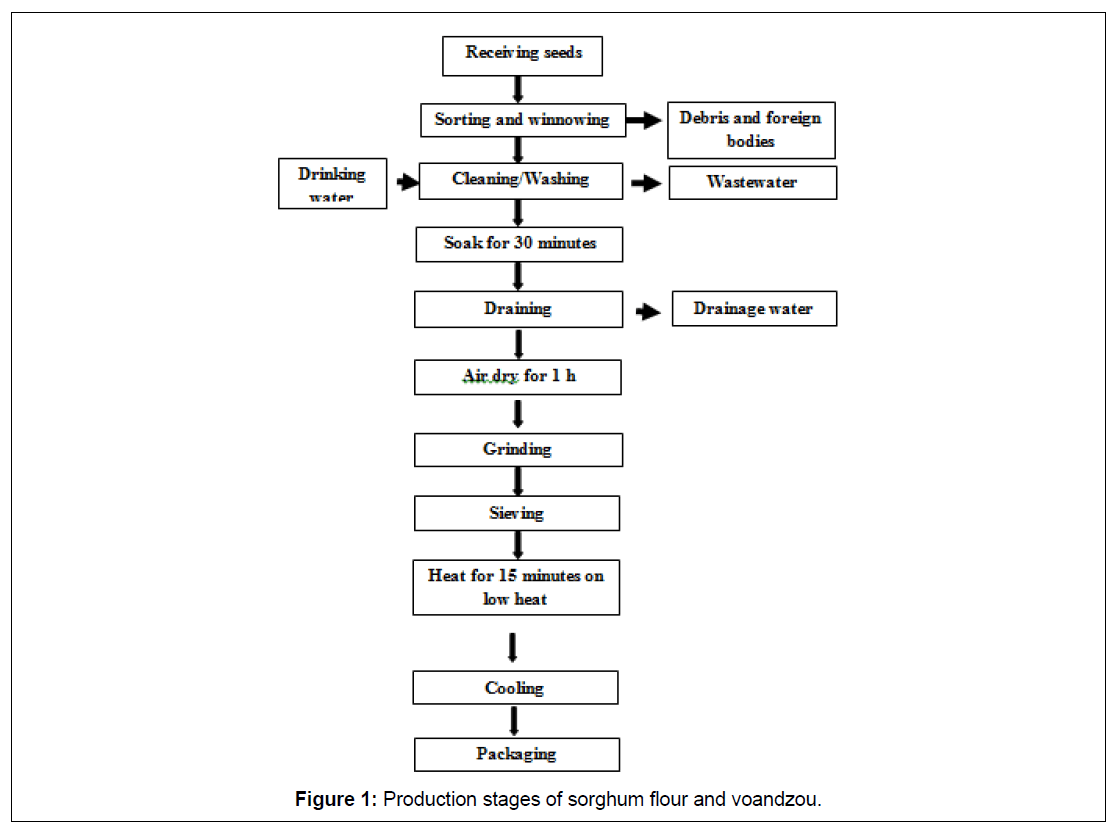
Figure 1. Production stages of sorghum flour and voandzou.
Preparation of mixed flours
Mixed flours (containing sorghum flour and voandzou flour) were produced following the method described by Damndja et al. (2023) with a slight modification as mentioned in Figure 2. A total of three (03) batches of flour were produced on a pilot scale at the food technology workshop of Gamal Abdel Nasser University in Conakry. These batches are: i) an F1 formulation containing 90% sorghum and 10% voandzou, ii) an F2 formulation composed of 80% sorghum and 20% voandzou, and iii) an F3 formulation composed of 70% sorghum and 30% voandzou. These mixed flours were carefully preserved and sent to the laboratory for physicochemical and microbiological analyses.
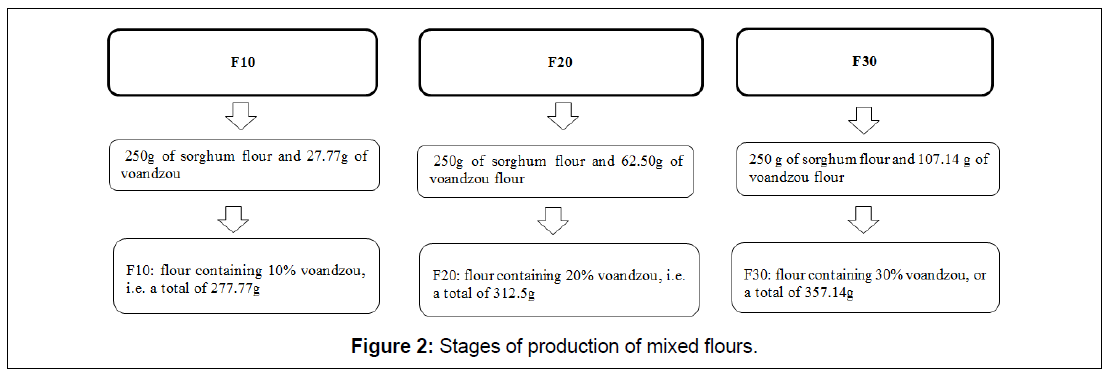
Figure 2. Stages of production of mixed flours.
Chemical analyses of the flours produced
Chemical analyses of the flours included determination of moisture content, total ash, total carbohydrates, fat, and total protein.
Determination of moisture content
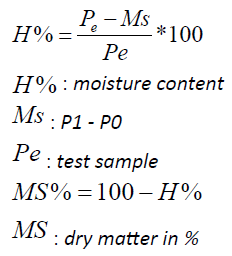
The moisture content was assessed by weighing 5 g of the sample in a previously dried and tared Petri dish, which was placed in an oven set to 105°C. After two hours of heating, the dish was removed and placed in a desiccator for cooling, followed by a final weighing.
The results were expressed as a percentage using the following formula:
Determination of ash contents
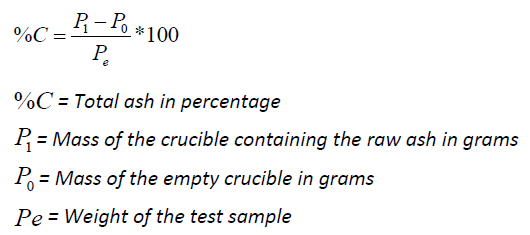
The determination of total ash began by weighing 5 g of sample, which was placed in a previously calibrated porcelain crucible. This crucible was placed in a muffle furnace, where the temperature was set between 600 and 700 °C for 24 hours. This process ensured complete calcination, resulting in the formation of white ash. After this step, the crucible containing the ash was transferred to a desiccator for controlled cooling. Once cooled, the ash residue was weighed and recorded. This procedure was repeated three times until the ash weight remained constant, thus ensuring the accuracy of the total ash measurement.
Determination of total carbohydrates
The total carbohydrates were determined using the Gauss-Bonas method. This method consisted of adding 5g of flour and 50mL of 5% hydrochloric acid to a conical flask. The resulting solution was heated in a water bath for 2 hours, followed by cooling. A few drops of phenophthalein were then added to neutralize the excess acid with 40% sodium hydroxide until a pink color appeared. The excess sodium hydroxide was removed by the dropwise addition of 10% acetic acid. The pink color disappeared when all the excess sodium hydroxide was neutralized. 0.5g of sodium sulfate was then added and stirred vigorously. The resulting solution was filtered using a suction pump, and the filtrate was transferred to a 250mL flask, where distilled water was added up to the reference mark. The weight of carbohydrates is found according to the formula:

The carbohydrate content relative to starch was calculated using the following formula
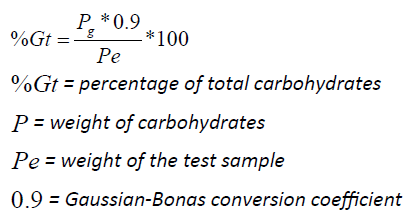
Determination of fat contents
The standard Soxhelet method was used to determine the fat content. This method consisted of drying an extraction flask in an oven at 103°C ± 2°C for 30 minutes and cooling it in a desiccator, then weighing it to obtain the weight of the empty flask (P0), then weighing 2.5g as the test portion (P0), transferring it to an extraction cartridge and adding 2 to 3g of anhydrous sodium sulfate, then plugging the cartridge with degreased cotton, then putting 360 to 400 mL of petroleum ether into the extraction flask and attaching it to the Soxhelet column, which is itself connected to a condenser, after starting the extraction process, which lasts 6 hours on a hot plate. Afterwards, collect the ether and place the flask containing the fat in an oven overnight, then let it cool in a desiccator and finally weigh it after drying to find (P1).
The fat content was calculated using the following formula:
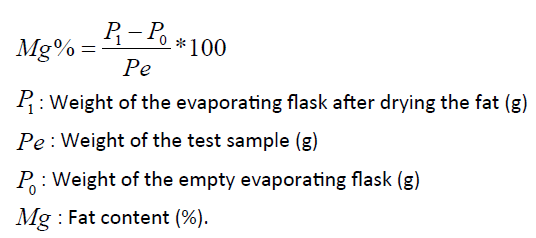
Determination of total protein content
The Kjedhal method adopted by Vinogradova (1975) was followed to determine the total protein content in the samples. The nitrogen content was calculated, the result was multiplied by the conversion factor (6.25). The nitrogen and protein contents were determined according to the formulas:
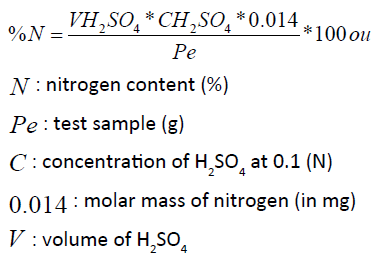
After determining the nitrogen content, the protein content was calculated using the formula:
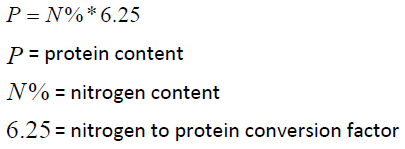
Determining the Energy Value of Flours
The energy value of a food component is the sum of the products of each major food (carbohydrate, protein, fat) and its corresponding Atwater thermal coefficient.
Porridge Preparation
The figure 3 shows the porridge preparation steps. To prepare the porridge, 287.57 g of mixed flour was mixed with 1800 mL of water, ensuring strict hygiene standards were observed throughout the process. Once the porridge was ready, five children aged 9 to 14 months were served. Of these, three children (60%) consumed the entire portion served to them, while two children (40%) ate half of their portion. These results indicate good acceptability of the porridge. Furthermore, none of the children experienced an allergic reaction after eating the porridge.
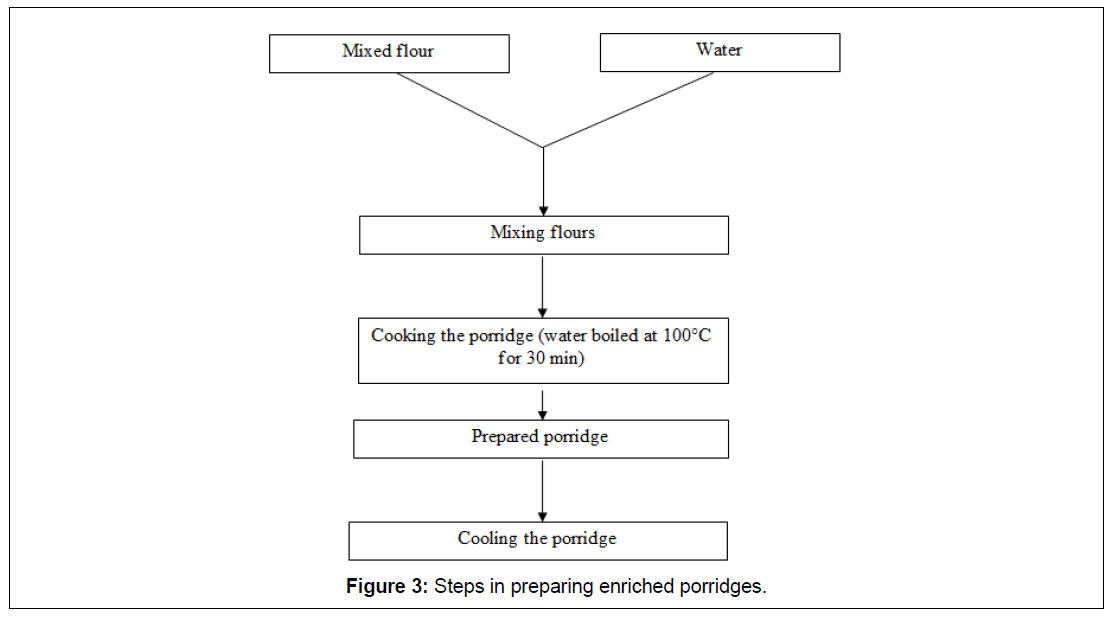
Figure 3. Steps in preparing enriched porridges.
Microbiological analyses
For the flour samples produced, various microbiological analyses were carried out to assess the sanitary quality of the products. The enumeration of total aerobic mesophilic flora was carried out in accordance with ISO 4833:2003. For sulfite-reducing anaerobes, the analysis was carried out according to ISO 7937:2004. Regarding fecal and total coliforms, their enumeration was carried out according to NS 03-142:2013. The yeasts and molds present in the samples were identified according to NF V 08-059:2002. Finally, the search for Salmonella bacteria was carried out according to ISO 6579-1:2017. These standards guarantee the reliability and precision of the results obtained during these analyses. The number of microorganisms present in 1g of sample is calculated using the following formula:
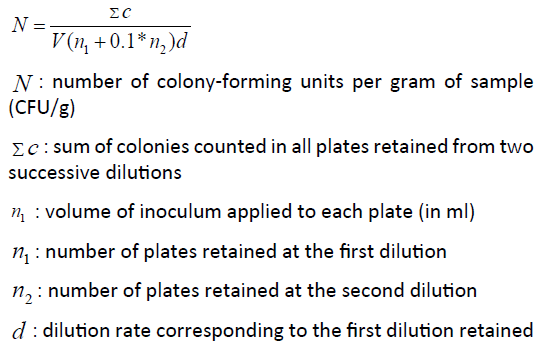
The results were interpreted using a three-category system for total aerobic mesophilic flora, thermotolerant coliforms, and yeasts and molds, taking into account established criteria. A sample is considered to have satisfactory microbiological quality (SMC) if the flora (F) is less than or equal to 3 m. It is considered to be of acceptable microbiological quality (AMQ) if F is between 3 m and 10 m, and of unsatisfactory microbiological quality (UNQ) if F exceeds 10 m, where m represents the microbiological criterion. For salmonella and sulfite-reducing anaerobic bacteria (SRA), the interpretation was carried out using a two-category system. The presence of salmonella or SRA in the sample will indicate that it is of unsatisfactory microbiological quality (UNQ), while their absence will mean that the sample is of satisfactory microbiological quality (SQ).
Statistical data analysis
Analysis of variance (ANOVA) was performed using XLSTAT software (version 2019) to compare the means of the parameters determined on the different formulations. In this study, a difference between the formulations was considered significant if the p-value was less than 5%. This means that a result with a p-value below this threshold indicates that the observed differences are not due to chance, but are statistically significant.
Chemical analyses of the flours produced
Chemical analysis of foods plays a crucial role in assessing their nutritional value (Ganogpichayagrai and Suksaard, 2020). The results of physicochemical analyses carried out on sorghum and voandzou flours are presented in Figure 4. The results obtained show that the total ash, total protein, fat and energy content are significantly variable, except for the dry matter content for which no significant difference was observed. Carbohydrate contents are significantly higher in sorghum flour (70.89 ± 0.35%) compared to voandzou flour (54.05 ± 0.01%). The water content of sorghum flour (13.05 ± 0.16%) is comparable to that found by (Palacios-Fonseca et al., 2009) who obtained a variable water content depending on the storage time, ranging from 11.03 ± 0.06% on day 1 to 11.27 ± 0.06% on day 7. In general, the water contents found are appreciable and allow the flours to be stored for a long time, if they are placed in a dry place and protected from any humidification.
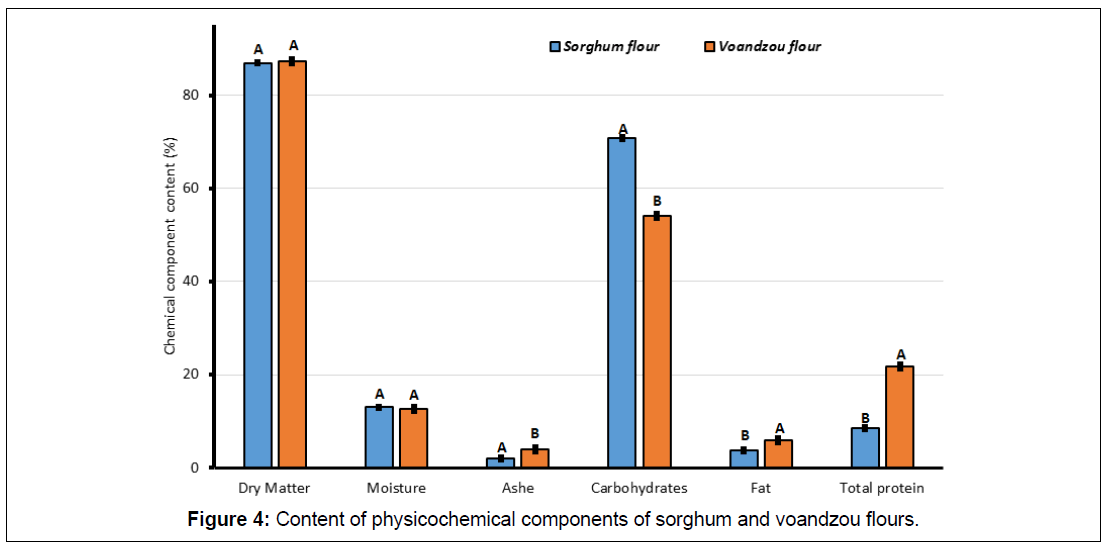
Figure 4. Content of physicochemical components of sorghum and voandzou flours.
Regarding voandzou flour, Kaptso et al. (2007) reported a significant varietal influence on the protein and carbohydrate content of Bambara peanuts. In general, legume seeds with high protein content are counterbalanced by low fat content, and vice versa. As shown by Nti, (2009), the black bambara variety, which has the highest protein content, has the lowest fat content (5.92%), while the bambara peanut varieties, which have a relatively low protein content, have a high fat content. The sample under study does not seem to deviate from this general behavior. Furthermore, immature seeds are boiled and eaten as such. Mature seeds are boiled and eaten as part of a main meal, but they can also be ground into flour and used in making porridge. Dried seeds can also be soaked, the seed coat removed, and the seeds made into a paste.
The dry matter content is 86.95% for the raw flour. The results obtained for the sorghum flour are within the range reported by Mohammed et al. (2011). The ash content is 2.04% for the raw flour. The protein content is 8.57% for the sorghum flour sample, respectively. The protein content obtained is within the range reported by Mohammed et al. (2011).
The fat content of the flour is 3.77%, respectively. The values obtained for the fat content are within the range reported by Mohammed et al. (2011).
The energy value of the fortified flours was determined, and the results are shown in Table 1.
| Enriched flours | Carbohydrates (%) | Fat (%) | Protein (%) | Q (kcal) | Standard infant flours (kcal) |
|---|---|---|---|---|---|
| F10 | 60.71 ± 1.6A | 8.50 ± 0.12A | 15.03 ± 0.22A | 379.46 | 400 |
| F20 | 59.91 ± 0.58B | 8.75 ± 0.06B | 16.05 ± 0.43B | 382.29 | 400 |
| F30 | 57.38 ± 0.38C | 10.44 ± 0.17C | 17.28 ± 0.16C | 392.6 | 400 |
The energy values of enriched flours are respectively 379.46 kcal, 382.29 kcal and 392.6 kcal for the insertion rates of 10, 20 and 30%. These energy values found are slightly lower than 400 kcal recommended by the WHO for infant flours and 394.34 kcal obtained by Ponka et al. (2016). However, it was found that the energy values of enriched flours increase according to the insertion rate, this increase would be due to the incorporation of voandzou flour into sorghum flour; which complies with the rules of supplementation of enriched flours. Bambara peanut (Vigna subterranea (L.) Verdc) is one of the many legumes that can provide proteins and minerals. The seeds are a complete food, as they contain sufficient amounts of protein, carbohydrates, and lipids (Amarteifio et al., 2006). This legume can contribute positively to food security and help alleviate nutritional problems. However, it has been classified as an underutilized crop and has only recently received greater attention. This crop is drought-resistant, tolerates poor soils, and is fairly resistant to pests and diseases. Bambara groundnut is widely cultivated in Africa at a subsistence level and is the third most important legume after cowpea and groundnut (Amarteifio et al., 2006) and is widely consumed in Africa.
Microbiological analysis of simple flours
The results of the microbiological analysis of the simple flours are mentioned in Table 2. The analyzed parameters are satisfactory compared to the established standards. No germs of fecal coliforms, staphylococci, sulfite-reducing anaerobes and salmonella were found in the simple flours. Germs of total coliforms, yeasts and molds and total aerobic mesophilic flora (FMAT) were found in the flours but at numbers not exceeding the microbiological criteria reported by the FAO. It should be noted, however, that with the exception of (FMAT), no germs were found in the voandzou flour; on the other hand, the highest numbers of germs were found in the sorghum flour. These results could certainly be due to a lesser heat treatment of sorghum flour compared to voandzou flour, and on the other hand, to the respect of hygiene conditions during the production of flours.
| Germs wanted | Microbiological criteria | Number of germs found | Appreciation | |
|---|---|---|---|---|
| FS | FV | |||
| FMAT | 5.104 UFC/g | 5.102 | 102 | Satisfying |
| Total Coliforms | <10 UFC/g | 8 | 0 | |
| Fecal Coliforms | Abs UFC/g | 0 | 0 | |
| Yeasts and Molds | 4.103 UFC/g | 10 | 0 | |
| Staphylococci | Abs in UFC/g | 0 | 0 | |
| ASR | Abs in UFC/g | 0 | 0 | |
| Salmonella | Abs in UFC/25g | 0 | 0 | |
Determination of anthropometric measurement
The anthropometric measurements are essential to ensure successful weaning and to ensure that the child continues to receive the nutrients necessary for their development. Thus, to understand the nutritional status of children, the anthropometric measurement carried out made it possible to obtain the results mentioned in Table 3. A total of five (5) children were assessed before receiving the porridge. Among them, three children aged 9 to 10 months were moderately malnourished, one 13-month-old child was severely malnourished, and the last, aged 11 months, was in good health. The results of the analysis indicate that both conventional nutritional interventions and those using fortified formulas contribute to improving the nutritional status of children. With regard to conventional interventions, it was observed that children generally regained their health fairly quickly, due to the good bioavailability of nutrients present in the foods provided.
| No. | Ages (mois) | Weight (kg) | Height (cm) | Périmètre brachial (Cm) | Nutritional status |
|---|---|---|---|---|---|
| 1 | 9 | 7.1 | 63.5 | 13 | Moderate |
| 2 | 9 | 7.95 | 64.5 | 14 | Moderate |
| 3 | 10 | 7 | 65.5 | 13 | Moderate |
| 4 | 13 | 5.1 | 70 | 13 | Severe |
| 5 | 11 | 11.5 | 68.5 | 15 | Normal |
Preparation and administration of the porridge
The acceptability of porridges by children was tested during our study. Thus, a total of 287.57g of mixed flour was weighed and added to 1800ml of water, which gave a quantity of 1650ml of porridge with strict hygiene compliance. After the preparation of the porridge, out of the (5) five children aged 9 to 14 months who took porridge 3, 60% consumed all the quantities served and 2 children, or 40%, consumed half that was served to them; which proves the acceptability of the porridge. In addition, the follow-up carried out after consumption revealed no allergies. Unlike conventional interventions, the organoleptic quality of the staple food is most of the time accepted by the subjects during interventions using a food fortification formula. However, found that when supplementing with moringa leaf powder, a small number of children showed resistance to their first bowls of porridge mixed with moringa powder during the first week due to the unusual green color of the food. Therefore, mixing moringa leaf powder during the processing of the staple food should somehow improve the organoleptic quality of the fortified food. It should be noted that there is a lack of data regarding nutritional interventions using voandzou flour as a fortifier. Research is needed to assess the effect of voandzou flour-fortified foods on changes in hemoglobin levels and to determine whether fortified foods show a significant difference between male and female growth scores. Food fortification or fortification involves adding one or more essential nutrients to a food, whether or not it originally contains them, in order to prevent or correct a known deficiency in one or more nutrients in the population or certain specific population groups. WHO defines food fortification as the practice of deliberately increasing the content of essential micronutrients (vitamins and minerals) in a food, in order to improve its nutritional quality and provide a public health benefit with minimal health risk (Teye et al., 2020). First, the incorporation of new sources (such as voandzou flour) into cereal products is a recent trend that aims to address the shortage of infant flour production, reduce wheat imports that increase the cost of cereal products, and improve the use of local sources incorporated into value-added products.
Physicochemical analyses of enriched flours
The results of the determination of physicochemical parameters on enriched flours are presented in Figure 5. The protein content of the enriched flours ranges from 42.98% to 46.60%. It increases significantly, reaching 50.40%, when 30% of the sorghum flour is replaced by voandzou flour. This substitution results in almost a doubling of the protein content with a mixture of 30% voandzou flour and 70% sorghum flour. This marked increase (p < 0.05) in the protein content of the hybrid flours is probably due to the high protein content of voandzou flour compared to that of sorghum. Similar results were observed when wheat flour was substituted with flax flour (Rahangdale et al., 2021). On the other hand, decreases in carbohydrate content of 4.69%, 8.26% and 9.39% were noted respectively for substitutions of 30%, 20% and 10% of sorghum flour with voandzou flour. The measured carbohydrate levels varied between 54.05% and 70.89% for all the samples analyzed. The incorporation of voandzou flour led to a significant reduction in carbohydrates in flours enriched at 10%, 20% and 30%. As pointed out by Agu et al., (2023) in their study on biscuits made from okara soy flour and tiger nut residues, this can be explained by the fact that the flours used contain less carbohydrates than sorghum flour, thus failing to compensate for the reduction in carbohydrates due to the substitution. Protein is the main component that has seen the greatest improvement among all mixed flours. Pulses are capable of providing adequate amounts of protein, carbohydrates, and fats, while contributing positively to food security and helping to alleviate nutritional problems. The increase in the proportion of voandzou flour in sorghum flour led to an increase in protein content. This is comparable to that reported by Butt and Batool, (2010), who emphasize that current challenges in food security and malnutrition, exacerbated by population growth, uncertainty in agricultural yields, and the high cost of animal products, have motivated the search for and integration of non-conventional protein sources to enrich traditional formulations. Generally, two main sources of protein are distinguished: animal protein and plant protein. However, ensuring an adequate supply of animal protein is difficult due to its high cost and changing consumer preferences, as consumers are increasingly careful about their food choices due to increased nutritional awareness. Therefore, the consumption of plant proteins, especially those from legumes, is particularly advantageous (Nunes et al., 2006). Legumes represent a relatively inexpensive source of protein with a high nutritional profile and, after cereals, are an essential food source for humans. Their protein content ranges from 17 to 40%, in contrast to that of cereals, which is between 7 and 13% (Genovese and Lajolo, 2001). As an economical source of protein for low-income populations, legumes are often used as a meat substitute and play a key role in combating protein-energy malnutrition. In addition, they are also an excellent source of complex carbohydrates, dietary fiber, as well as vitamins and minerals in significant amounts (Genovese and Lajolo, 2001).
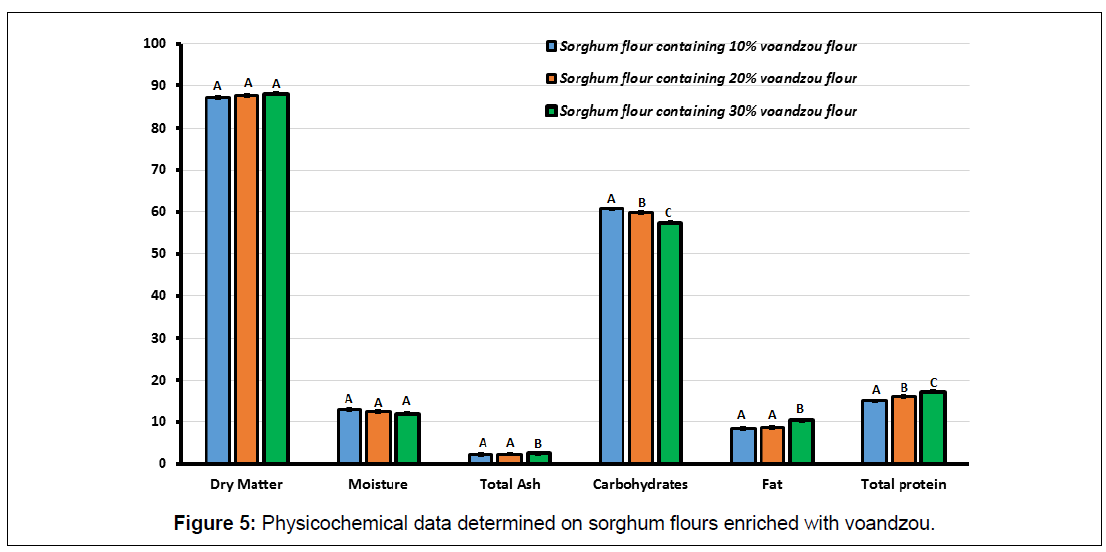
Figure 5. Physicochemical data determined on sorghum flours enriched with voandzou.
This study aims to produce a sorghum flour containing 10, 20 and 30% of voandzou flour intended for children aged 8 to 24 months at INSE-Conakry. The results obtained indicate the advantages of using voandzou in sorghum flour, thus reducing imports and promoting local products. The physicochemical analysis of the fortified flours revealed a high dry matter content and interesting energy values, although slightly lower than the WHO recommendations. In general, the fortified flours have a higher protein, lipid and ash content than basic sorghum flour. The microbiological results were satisfactory. This work shows that voandzou flour improves the nutritional quality of sorghum flours for feeding children aged 8 to 24 months. The children expressed their acceptability to the prepared porridges. This work represents a first step that will open the way to other research and will arouse the interest of nutritionists in the use of voandzou in association with sorghum flour to diversify children's diets.
This work was carried out as part of the final year project of the engineering students of the Higher Institute of Science and Veterinary Medicine of Dalaba. We thank the Ministry of Higher Education, Scientific Research and Innovation of the Republic of Guinea for their financial support.
Mamadou Lamanarana Souaré: Methodology, Writing - review and editing, Resource; Moriken Sangaré: Conceptualization, Investigation, Validation of the Methodology, Resources, Data curation, Visualization, Writing - original draft, Writing - review and editing; Mohamed Lamine Dabo, manufacturing and laboratory analyses of flours, Writing - review and editing; Florence Husson: Revision, data processing, Validation; Samuel Lubbers : Validation and data processing; Romdhane Karoui: Conceptualization, Investigation, Validation of the Methodology.
The authors declare that they have no known competing financial interests or personal relationships that could have appeared to influence the work reported in this paper.
Adeola, A. A., & Ohizua, E. R. (2018). Physical, chemical, and sensory properties of biscuits prepared from flour blends of unripe cooking banana, pigeon pea, and sweet potato. Food science & nutrition, 6(3), 532-540.
Indexed at, Google Scholar, Cross Ref
Agu, H. O., Ihionu, J. C., & Mba, J. C. (2023). Sensory and physicochemical properties of biscuit produced from blends of whole wheat, soy okara and tigernut residue flours. Heliyon, 9(4).
Amarteifio, J. O., Tibe, O., & Njogu, R. M. (2006). The mineral composition of bambara groundnut (Vigna subterranea (L) Verdc) grown in Southern Africa. African Journal of Biotechnology, 5(23).
Balasubramanian, S., Kaur, J., & Singh, D. (2014). Optimization of weaning mix based on malted and extruded pearl millet and barley. Journal of Food Science and Technology, 51(4), 682-690.
Indexed at, Google Scholar, Cross Ref
Butt, M. S., & Batool, R. (2010). Nutritional and functional properties of some promising legumes protein isolates. Pakistan Journal of Nutrition, 9(4), 373-379.
Indexed at, Google Scholar, Cross Ref
Cruz, J. F., Hounhouigan Djidjoho, J., Havard, M., & Ferré, T. (2020). La transformation des grains (p. 198). éditions Quae.
Damndja, W. N., Ngangoum, E. S., Saidou, C., & Mohamadou, S. (2023). Formulation of three infant foods from plantain flour fortified with sesame (Sesamum indicum), Soya bean (Glycine max) and cashew nut (Anacardium occidentale L.). Food Chemistry Advances, 3, 100313.
Indexed at, Google Scholar, Cross Ref
Djossinou, D. (2019). Alimentation et nutrition des femmes avant et pendant la grossesse au Sud-Bénin: qualité et facteurs d'influence (Doctoral dissertation, Université Montpellier; Université d'Abomey-Calavi (Bénin)).
Ganogpichayagrai, A., & Suksaard, C. (2020). Proximate composition, vitamin and mineral composition, antioxidant capacity, and anticancer activity of Acanthopanax trifoliatus. Journal of advanced pharmaceutical technology & research, 11(4), 179-183.
Indexed at, Google Scholar, Cross Ref
Gboko, K. M., Koné, K. Y., Soro, D., & Yao, K. B. (2024). Characterizations of infant flours and profiles of populations using them in the center of Côte d'Ivoire. Heliyon, 10(10).
Genovese, M. I., & Lajolo, F. M. (2001). Atividade inibitoria de tripsina do feijão (Phaseolus vulgaris L.): Avaliação crítica dos métodos de determinação. Archivos latinoamericanos de nutricion, 51(4), 386-394.
Kaptso, G. K., Njintang, N. Y., Hounhouigan, J. D., Scher, J., & Mbofung, C. M. (2007). Production of Bambara Groundnut (Voandzeia subterranean) Flour for Use in the Preparation of Koki (a Steamed Cooked Paste): Effect of pH and Salt Concentration on the Physicochemical Properties of Flour. International Journal of Food Engineering, 3(3).
Indexed at, Google Scholar, Cross Ref
Kaptso, K. G., Njintang, Y. N., Nguemtchouin, M. M. G., Scher, J., Hounhouigan, J., & Mbofung, C. M. (2015). Physicochemical and micro-structural properties of flours, starch and proteins from two varieties of legumes: bambara groundnut (Vigna subterranea). Journal of food science and technology, 52(8), 4915-4924.
Indexed at, Google Scholar, Cross Ref
Kaptso, K. G., Njintang, Y. N., Nguemtchouin, M. M. G., Scher, J., Hounhouigan, J., & Mbofung, C. M. F. (2013). Drying kinetics of two varieties of bambara groundnuts (Vigna subterranea) seeds.
Kouton, S. E., Amoussa Hounkpatin, W., Ballogou, V. Y., & Soumanou, M. M. (2017). Nutritional, microbiological and rheological characteristics of porridges prepared from infant flours based on germinated and fermented cereals fortified with soybean. Int. J. Curr. Microbiol. App. Sci, 6(10), 4838-4852.
Indexed at, Google Scholar, Cross Ref
Lalude, L. O., & Fashakin, J. B. (2006). Development and nutritional assessment of a weaning food from sorghum and oil-seeds. Pakistan Journal of Nutrition, 5(3), 257-260.
Indexed at, Google Scholar, Cross Ref
Martin, L., Capaldo, G., Hurley, J., & Mc Grenra, D. (2020). Republic of Guinea Country Strategic Opportunities Programme.
Mohamed, M. S., & El-Nahal, D. M. (2013). Nutritional evaluation of weaning food blends fortified with some carotenoids-rich vegetables.
Mohammed, N. A., Ahmed, I. A. M., & Babiker, E. E. (2011). Nutritional evaluation of sorghum flour (Sorghum bicolor L. Moench) during processing of injera. World Academy of Science, Engineering and Technology, 51, 72-76.
Ngaha, W. D., Ejoh, R. A., Fombang, E. N., & Tedom, W. D. (2020). Nutritional quality of formulated complementary foods and their biological effects for tackling malnutrition in Sub-Saharan Africa (SSA) countries. Eur J Nutr Food Saf, 12(12), 91-103.
Indexed at, Google Scholar, Cross Ref
Njiembokue, O. G. N. (2021). Insécurité alimentaire et Stratégies d'adaptations dans les Régions de l'Extrême-Nord et de l'Est du Cameroun (Doctoral dissertation, Université de Yaoundé I (Cameroun)).
Nti, C. A. (2009). Effects of bambara groundnut (Vigna subterranea) variety and processing on the quality and consumer appeal for its products. International Journal of Food Science and Technology, 44(11), 2234-2242.
Indexed at, Google Scholar, Cross Ref
Nunes, M. C., Raymundo, A., & Sousa, I. J. F. H. (2006). Rheological behaviour and microstructure of pea protein/κ-carrageenan/starch gels with different setting conditions. Food Hydrocolloids, 20(1), 106-113.
Indexed at, Google Scholar, Cross Ref
Palacios-Fonseca, A. J., Vazquez-Ramos, C., & Rodríguez-García, M. E. (2009). Physicochemical characterizing of industrial and traditional nixtamalized corn flours. Journal of Food Engineering, 93(1), 45-51.
Indexed at, Google Scholar, Cross Ref
Ponka, R., Nankap, E. L. T., Tambe, S. T., & Fokou, E. (2016). Composition nutritionnelle de quelques farines infantiles artisanales du cameroun [nutritional composition of selected cameroonian local baby flours]. International Journal of Innovation and Applied Studies, 16(2), 280.
Rahangdale, H. K., Mishra, S. P., Duggal, A., Shukla, S. S., & Rana, G. K. (2021). Assessment of nutritional and sensory properties of biscuits prepared from wheat and linseed flour. The Pharma Innovation Journal, 10(11), 170-173.
Sanou, A., Tapsoba, F., Zongo, C., Savadogo, A., & Traore, Y. (2017). Etude de la qualité nutritionnelle et microbiologique des farines infantiles de quatre unités de production: CMA saint Camille de Nanoro, CSPS Saint Louis de Temnaoré, CM saint Camille d’Ouagadougou et CHR de Koudougou. Revue Nature et Technologie, 9(2), 25-39.
Teye, E., Deha, C. I., Dadzie, R., & MacArthur, R. L. (2020). Delivering the nutritional needs by food to food fortification of staples using underutilized plant species in Africa. International Journal of Food Science, 2020(1), 8826693.
Indexed at, Google Scholar, Cross Ref
Tharanathan, R. N., & Mahadevamma, S. (2003). Grain legumes—a boon to human nutrition. Trends in Food Science & Technology, 14(12), 507-518.