

 +44 3308180992
Research Article - International Research Journal of Biotechnology ( 2025) Volume 16, Issue 1
Received: 29-Oct-2024, Manuscript No. irjob-25-151429; Editor assigned: 01-Nov-2024, Pre QC No. irjob-25-151429 (PQ); Reviewed: 15-Nov-2024, QC No. irjob-25-151429; Revised: 10-Feb-2025, Manuscript No. irjob-25-151429 (R); Published: 17-Feb-2025, DOI: 10.14303/2141-5153.2025.107
Antibiotic resistance, which can be caused by antibiotic-resistant bacteria, is an emerging global public problem that poses a serious human health problem. Medicinal plants are considered one of the most important alternatives for producing antibiotics used to combat antibiotic resistant bacteria. Therefore, the main objective of this study was to evaluate the synergistic antibacterial effects of Psidium guajava and Melia azedarach against selected clinically and standard pathogenic bacteria. Plant leaves were collected from University of Gondar, Tewodros Campus, air-dried at room temperature, powdered, soaked in methanol, ethanol and chloroform solvents in separate flasks and shaken on a rotary shaker (150 rpm) for 3 days. Antibacterial efficacy was tested individually and in combination against three clinically isolated and standard bacterial species, i.e., S. aureus (ATCC 25923), E.coli (ATCC 25922), and Klebsiella pneumoniae (ATCC 700603) were tested using the agar well diffusionmethod. Leaf extracts with Minimum Inhibitory Concentrations (MIC) and Minimum Bactericidal Concentrations(MBC) ranging from 1.56 to 50 mg/ml were analyzed using the broth dilution method. The phytochemicalconstituents and functional groups of the extract were then identified. The results of this study showed that thesynergistic effect showed significant antibacterial activity against all tested microorganisms. A maximum zone ofinhibition (31.67 ± 2.08) was recorded at P=0.05 from a methanol extract of Psidium guajava againstStaphylococcus aureus (clinical). A minimal zone of inhibition (4.33 ± 1.52) was determined from the chloroformextract against E. coli clinical. Minimum (6.25 mg/mL) and maximum (50 mg/mL) MIC values were recordedfrom ethanol and chloroform extracts against clinical E. coli and S. aureus in P. guajava extracts, respectively.Similarly, the lowest (3.12 mg/ml) and highest (50 mg/ml) were registered in E. coli and S. aureus clinical in M.azedarach. Phytochemical screening has revealed the presence of various bioactive compounds, includingterpenoids, tannins, saponins, phenolic compounds and flavonoids, that may be responsible for antibacterialactivity. This study demonstrated the in vitro antibacterial activity of plants used in folk medicine. The utility ofthese plants should be confirmed by further phytochemical and toxicological analyses. This study recommends invivo testing of the extract and its structure elucidation.
M. azedarach, Minimum bactericidal concentration, Minimum inhibitory concentration, Pathogenic bacteria, P. guajava
ATCC: American Type Culture Collection; CFU: Colony Forming Unit; DMSO: FTIR Dimethyl Sulfoxide Fourier Transform Infrared Spectroscopy; MBC: Minimum Bactericidal Concentration; MHA: Muller Hilton Agar; MIC: Minimum Inhibitory Concentration; SPSS: Statistical Package for Social Science; URT: Upper Respiratory Tract
Background of the study
In the 20th, 1st-century antibiotic resistance is one of the most serious health problems in human life. Approximately 700,000 people die yearly as a result of Antibacterial Resistance (AMR), and this number will increase to 10 million by 2050 if an encounter is not taken (Abdullah MS et al., 2019). AMR has radically increased due to the illogical prescribing and/or wrong use of antibiotics and inadequate accessibility of consistent laboratories, mostly blood cultures, in areas far from health centers (Abew B et al., 2014).
Different studies have been conducted around the world to verify the usefulness of medicinal plants, and some of these studies focus on the synthesis of plant-based chemicals for therapeutic use (Ahmadiani S et al., 2016). Plants play a paramount role in the health care system and are recognized as prospective candidates for fighting antibiotic-resistant bacterial pathogens (Ahmed MF et al., 2012).
Ethiopia consists above 6,000 species of plants, of which 10% are reported as medicinal plants, and Ethiopia is ranked 6th on the continent of Africa due to the number of recorded endemic plant species (Alexander P et al., 2019). In ancient times, Ethiopia's indigenous people have used a variety of plant species as traditional medicines to treat a variety of human and animal ailments, and approximately 80% of the population uses traditional plant medicine as a primary treatment for many ailments (Ansari S et al., 2019).
Chinaberry (Melia azedarach) belongs to the family Meliaceae (Aragaw TJ et al., 2020). Its name was derived from the classical Greek word "Melia" for manna ash or flowering ash, referring to the similarity of the leaves to that plant, and azedarach from the name of an ancient poisonous tree (Azhar F et al., 2022). M. azedarach is one of the most valuable medicinal plants in the traditional medication system (Barbieri R et al., 2017). Its leaves have antibacterial, antifungal, and anticancer properties (Baynesagne S et al., 2017). Fresh leaf extract is used as a mouth wash for gingivitis and applied externally for burns (Begashawu T et al., 2016).
Guava (Psidium guajava) is belongs to the Myrtaceae family (Birhanu Z, 2013). The fruits, leaves, bark, and roots of the Psidium guajava plant are rich in bioactive compounds, making it a fruit of choice for the treatment of a variety of health problems, including diarrhea, fever, cough, bad breath, gum problems, constipation, dysentery, gastroenteritis, hypertension, diabetes, pain relief, wounds, and other ailments (Biswas B et al., 2013).
Statement of the problem
The majority of people in under developing nations still cannot afford to buy modern pharmaceutical treatments (Bitew H et al., 2019).
Medicinal plants in Ethiopia have not been examined for bioactive phytochemical and pharmacological use in a wider sense (Bitrus AA et al., 2018).
The infectious disease problem has required the persistent discovery of novel antibacterial medications (Castronovo LM et al., 2021). Although medical investigations have been carried out in Ethiopia, there has been little progress in the production of products and the use of medicinal plants as remedies (de Silva GO et al., 2017). Therefore, there is a need to carry out proper research to investigate the efficacy of medicinal plants that can combat the antibacterial nature of each particular bacterial disease (Denamur E et al., 2021).
Significance of the study
This study provides insight into the antibacterial activity of M. azedarach and P. guajava against selected clinically isolated and standard bacterial pathogens (Effah CY et al., 2020). It also confirms the traditional medicinal activity of M. azedarach and P. guajava plant leave to treat and manage bacterial infections (Egamberdieva D et al., 2017). The findings of this study serve as a springboard for researchers and pharmacists who conduct a study on the same theme. It also serves as driving information for researcher companies to search for new and effective antibiotics from M. azedarach and P. guajava plants.
Objective of the study
General objective: The general objective of this study was to evaluate the synergistic antibacterial effects of M. azedarach (meme) and P. guajava (zeituna) against selected standard and clinically isolated pathogenic bacteria.
Specific objectives:
The specific objective of this study were:
•To assess the individual antibacterial activity of M. azedarach and P. guajava leaf extracts against each pathogenic bacterium.
• To determine the synergistic antibacterial effects of those plant leaf extracts against each bacterium.
• To determine the Minimum Inhibitory Concentration (MIC) and Minimum Bactericidal Concentration (MBC) of each extract.
• To Investigate the functional groups of phytochemicals and the content of the extract using FTIR and reagent-based qualitative assay techniques.
Medicinal plants
Nature is a valuable source of medicines that help mankind safeguard their health. The world is full of therapeutic plants. People cannot thrive on this earth without plants and their products, and their dynamic elements are essential to their survival. Medical plants not only improve or replace typically inadequately available modern medical treatments but also improve the local population's health and security.
Medicinal plants for thousands of years have contributed significantly to improve the standard of living and preserving human health. Due to their easy accessibility, simplicity of use, and lack of negative side effects compared to chemical compounds, herbal products have been employed to treat the majority of human and animal ailments in recent years. Medicinal plants are a reservoir of biologically active composites with therapeutic assets that have been found and consumed by different groups of people for the treatment of various diseases.
Currently, there is a growing interest in traditional pharmaceuticals, as well as an increase in demand for more treatments derived from plants. This renewed interest in plant-based tranquilizers is largely due to a widespread belief that "green medicine" is safer and more reliable than pricey manufactured medicines, many of which have adverse side effects.
Medicinal plants, undoubtedly, play an important role in the environment by providing important dispensations. Furthermore, herbals, particularly therapeutic herbs, have long been regarded as a major contributor to environmental health. Since humans seek a tool in their environment to recover from a disorder, plants have been their only option. Medicinal plants are either "wild plant species" that grow very quickly in natural or seminatural conditions, seemingly free of human influence. The existence of "domesticated plant species" that have arisen as a result of human actions such as high-grade breeding is dependent on their preservation for certain purposes.
Medicinal plants have been utilized to improve treatments in many nations. Traditional medicine includes all upgrades based on hypotheses, convictions, and the advancement of various cultures and areas. Traditional plant-based medicine plays an important role in human medicines, and a large portion of the world's population relies on traditional treatments for vital health maintenance.
Medicinal plants are known to be a rich source of elements that can be used to develop and synthesize medicines.
Herbal materials used as therapeutic plants are made up of a variety of plant species. The medicinal properties of several of these herbal compounds include antioxidant, anticancer, anti-inflammatory, antibacterial, and antiviral properties. Furthermore, these herbs have the greatest potential for drug balance and development. The word medicinal plants refer to a variety of plants used in herbal medicine, some of which have medicinal properties and play a critical role in the global improvement of human health.
Medicinal plants are an important source of modern chemical molecules with potent medicinal effects that can be utilized to treat both common and serious illnesses. Typical plant ingredients can be manufactured for new sedate improvement and have a variety of natural remedy activities, such as anti-diabetic, antioxidant, antibacterial, anti-inflammatory, antipyretic, and gastroprotective actions. Medicinal plants have antibacterial activity in vitro and in vivo.
Medicinal plants contain bioactive natural chemical compounds known as phytochemicals, which are found in grains, vegetables, natural products, and other plant substances and play an important role in the prevention of major chronic diseases such as metabolic or hereditary malfunctioning disease and irresistible infection. Two-thirds of the world's population relies on homegrown drugs. The grounds for this are usually because of their superior societal benefits, superior compatibility and adaptability with the human body, and fewer adverse effects (Figure 1).
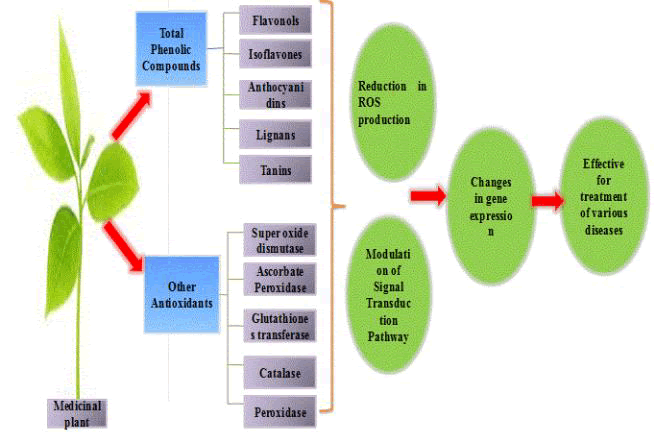
Figure 1. Mechanism behind beneficial aspects of medicinal plants.
Traditional medicinal plants in Ethiopia
Traditional medicine has been defined by the World Health Organization as “the total of all knowledge and practices, whether explicable or not, used in the diagnosis, prevention and elimination of physical, mental or social imbalances and relying exclusively on practical experience and observation handed down from generation to generation, whether verbally or in writing”.
Plants produce a wide range of secondary metabolites that are used in the pharmaceutical industry as either precursors or principal compounds. The development of knowledge to treat increased diseases and the number of underused plant-based drugs increased in tandem.
Practitioners of "modern" (Western) medicine frequently use "alternative," "nonconventional," "indigenous," and "complementary," while many of "modern" medicine's approaches and practices are slightly different from traditional practices. Various societies have evolved beneficial healing strategies to tackle a variety of health and life-threatening disorders throughout history. Traditional medicine is also known as complementary and alternative medicine, ethnic medicine, or folk medicine, and it continues to play a major role in many nations today. When compared to contemporary medicine, almost 80% of Ethiopians rely on traditional medicine to address their healthcare needs, which can be related to cultural tolerance, perceived efficacy against certain ailments, physical accessibility, and affordability.
According to ethnobotanical studies conducted by various researchers, a large range of medicinal plants have been used to cure wounds and other illnesses in Ethiopia's traditional health care history. Ethiopia is home to a diverse range of medicinal plants that play an important role in the treatment of human and animal ailments. Ethiopia is home to a diverse range of plant species due to its topographical area and diversity, which support the establishment of various territories and vegetation zones.
Medicinal plants play an important role in the health care systems of both humans and animals in many countries. Ethiopia is one of the world's oldest countries, having been home to ancient human family lines and civilization. Ethiopia is a country in the Horn of Africa with a large amount of vegetation. Approximately 6500-7000 higher plant species are expected to be discovered in Ethiopia's greenery. Nearly 800-1000 plant species are used in traditional health treatment, making the country one of the world's most diverse floristic regions.
Review of medicinal plants included in this study
Melia azedarach (M. azedarach): Melia azedarach belongs to the Meliaceae family. M. azedarach is a small to medium deciduous tree. It is grown as an attractive avenue tree and sometimes as a shade tree in coffee and tea farms. The tree is hardy and drought resistant and is found to grow up to 2000 m above sea level. The plant regenerates freely from seeds during rain under natural conditions. It can also be artificially proliferated by direct sowing, transplanting seedlings from a nursery, or by cutting and root suckers. The bark is smooth, greenish-brown when young, turning gray and fissured with age. Leaves are alternate, 20-40 cm long, bipinnate, or occasionally tripinnate (Figure 2).
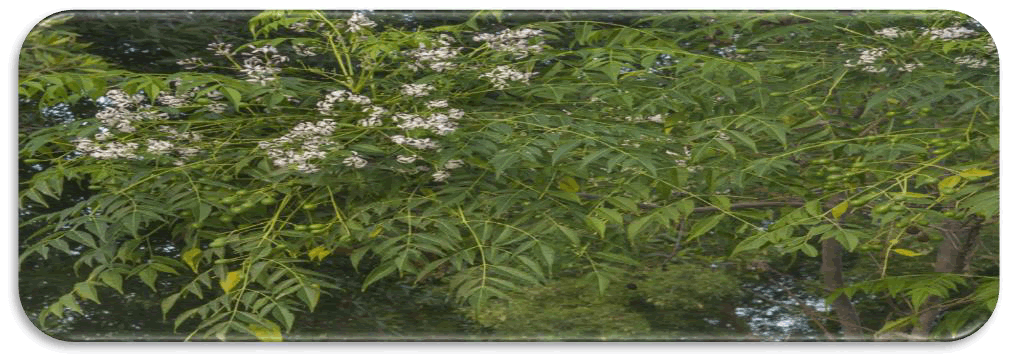
Figure 2. Melia azedarach plant.
M. azedarach is also commonly known as the purple flower tree, forest tree, and golden Lingzi. It is a fast-growing and high-quality wooden tree; it is also an upright fluid plant and a vital plant pesticide. The wood, which looks like mahogany, is used to manufacture agricultural implements, furniture, plywood, etc. It is used in the health care and pharmaceutical industries and is an effective component due to its analgesic, anticancer, antiviral, antimalarial, antibacterial, and antifungal activities.
Psidium guajava (P. guajava): P. guajava is a small bush or tree that grows 1-6 meters tall but can grow to be as tall as 10 meters. Each leaf has a noticeable center vein (midrib) as well as 10-20 sets of somewhat self-marked side veins (sidelong veins). The seeds are kidney-shaped and yellowish in hue. A normal aspect that makes a difference in their spread is the usage of both planted and wild trees.
P. guajava is a valuable medicinal plant that has been used in traditional medicine to cure a variety of illnesses, such as, diabetes loose bowels, gastroenteritis, stomach ache, hypertension, vomiting, burnt gums, hacking, and jungle fever. P. guajava is one of the world's most important vital natural product plants, widely grown in tropical areas and known as the 'poor man's apple' due to its low cost of production and high nutritional value.
P. guajava is nature's remedy for weak menstruation and bloated intestines. Guava leaf is widely used to treat a variety of ailments. Guava leaf extract is necessary to increase blood circulation and, when combined with nuts, aids in the establishment of bowel movements by adding roughage to the calorie count. These natural products are high in fiber and cancer-fighting compounds. It is a poor man's natural product because it is quite affordable.
P. guajava is the most important vital natural product in the Psidium class, which includes approximately 150 species. Many elements of the plant, including natural products, leaves, and bark, have long been used as domestic remedies for a variety of ailments, including skin irritation. P. guajava leaves have a few unique anticancer effects, and its leaves contain meroterpenoids, which can inhibit tumor cell growth and promote uterine extension, indicating that these substances operate as estrogen receptor modulators.
P. guajava is a medium-sized tree with evergreen, aromatic short-petiole leaves, and it is a phototherapeutic plant used in traditional medicine that is believed by the indigenous group to possess active components that help to treat various diseases, such as malaria, gastroenteritis, vomiting, diarrhea, dysentery, wounds, ulcers, toothache, cough, sore throat, inflamed gums, and several other diseases. The components present in P. guajava include lectins, phenols, tannins, flavonoids, essential oils, fatty acids, vitamins, etc. (Figure 3).
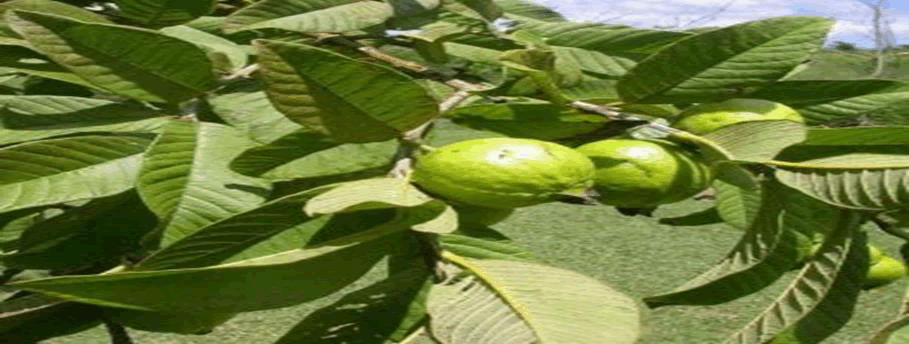
Figure 3. P. guajava plant.
Review of microbes included in this study
Staphylococcus aureus (S. aureus): S. aureus retains a specific virulence feature called coagulase, which shows a substantial function in biofilm development during S. aureus deficiency. Coagulase binds to host prothrombin and forms active staphylothrombin complexes that translate soluble monomeric fibrinogen into self-polymerizing insoluble fibrin and activate a coagulation cascade.
Sir Alexander Ogston, a Scottish surgeon, first isolated Staphylococcus bacteria from the pus of surgical abscesses in 1880. Ogston was the first to describe pyogenic infections following surgery that were caused by micrococci, a microbe he coined. He named the bacterium staphylococcus after the grape-like appearance of the bacterium, which is circular and organized in clusters. The word staphylococci come from two Greek words, “staple” and coccus mean "a bunch of grapes" and "spherical bacterium", respectively, while aureus is a Latin name that means "gold" was given to the bacteria. Because of the yellow to yellowish-white color of these bacteria on enriched media, they have a colonial appearance.
Due to its unique capacity to evade the innate immune response, such as phagocyte, complement or antibacterial peptide-mediated destruction, which supports survival in the blood and other tissues during persistent infections, S. aureus is one of the most important disease-causing organisms.
S. aureus is a major human pathogen that causes an array of infections ranging from minor skin infections to more serious infections, including osteomyelitis, endocarditis, necrotizing pneumonia, and sepsis. S. aureus is an opportunistic pathogen that can cause fatal nosocomial infections. It is recognized as the causative agent for a diverse range of diseases, including infections of indwelling medical devices, skin, and soft-tissue infections, life-threatening endocarditis, pneumonia, chronic osteomyelitis, and bacteremia.
Escherichia coli (E. coli): The Escherichia bacterium, named after the German doctor Theodor Escherichia, is a facultative anaerobic Gram-negative bacillus. E. coli is one of the first facultative organisms to colonize the human gut since it is frequently found in the intestinal tract of humans and colonizes the gastrointestinal tract of infants just a few hours after birth. There are two kinds of E. coli: Pathogenic and non-pathogenic. The nonpathogenic strains of E. coli prevent the growth of harmful bacteria and create vitamins that are present in the typical microflora of the intestine. E. coli strains can cause both extraintestinal and intestinal pathogens (UTIs), various intra-abdominal, enteritis, blood poisoning, aspiratory, cutaneous, and minor tissue contaminations, newborn meningitis, and bacteremia.
E. coli is the most studied type of bacteria. It is a frequent commensal inhabitant of the gastrointestinal system as well as one of the most important human diseases. As a result, E. coli is the most common source of circulatory system contamination and (UTI) in Gram-negative microscopic organisms. Adhesions, toxins, iron-gaining scaffolds, polysaccharide coatings, and incursions are among the unique harmfulness variables seen in such constraints, which are absent in commercial and intestine pathogenic strains.
Klebsiella pneumoniae (K. pneumoniae): Despite being a part of the normal human intestinal microbiota and capable of colonizing the skin and nasopharynx of healthy people, K. pneumoniae may be a leading cause of hospital- and community-acquired diseases (including urinary tract infections, pneumonia, bacteremia, and delicate tissue diseases), primarily affecting young and immunocompromised people.
K. pneumoniae, a member of the Enterobacteriaceae family, could be a common occupant of the microbiomes of healthy individuals and animals' gastrointestinal tracts. It could be a frequent hospital-associated pathogen,accounting for approximately one-third of all Gram-negative contaminations. Urinary tract illnesses, cystitis, pneumonia, surgical wound diseases, and life-threatening diseases, including endocarditis and septicaemia, are all included in extra intestinal contaminations. Necrotizing pneumonia, pyogenic liver swelling, and endogenous endophthalmitis are all common community-onset disorders caused by it.
K. pneumoniae has long been known as an expert in infection (it was first identified as a cause of pneumonia by Carl Friedländer in 1882) and is still one of the most frequent nosocomial pathogens on Earth. K. pneumoniae is a dangerous Enterobacteriaceae organism that causes a wide range of infections and is becoming increasingly resistant to medications.
Phytochemicals
Phytochemicals are compounds found in medicinal plant leaves, stem, bark, and roots that have a defense component and protect against many disorders. They are naturally occurring constituents obtained in plants that offer health profits. It is also known as a secondary metabolite and may often be formed by changing synthetic pathways from primary metabolites or sharing substrates of primary metabolite sources; alkaloids, flavonoids, tannins, phenolics, saponins, steroids, glycosides, terpenes, etc., are examples of secondary metabolites. They defend plants from disease and play a role in the plant’s color, aroma, and flavour.
Different bioactive phytochemicals work together with nutrients, vitamins, minerals, and fiber existing in whole plant-derived foods to decrease human diseases. More than ten thousand phytochemicals have been recognized in plant-derived foods. Phytochemicals (from the Greek word Phyto, meaning plant) are biologically active, naturally occurring chemical compounds that originate in plants, which deliver health benefits for humans, further than those attributed to macronutrients and micronutrients. They defend plants from disease and damage and protect plant cells from environmental hazards such as pollution, stress, drought, UV exposure, and pathogenic attack.
Phytochemical compounds have been obtained over thousands of years of advancement to protect organisms from the effects of free radicals, viruses, bacteria, and fungi. They are extensively found in fruits, vegetables, legumes, whole grains, nuts, seeds, fungi, herbs, spices, and in plant-based beverages such as wine and tea. Phytochemicals can be classified into several major groups based on their chemical structure: f(lkaloids, sulfur-containing phytochemicals, terpenoids, and polyphenols.
Study area
The study was conducted at the University of Gondar. The University of Gondar is located in Gondar town, Amhara Regional state. Gondar is geographically located 727 km from Addis Ababa, the capital city of Ethiopia. It is located at a longitude of 12°36' N and latitude of 37°28' E with an elevation of 2133 meters above sea level. It has an average annual temperature of 26°C with a mean annual rainfall of 1200 mm (Figure 4).
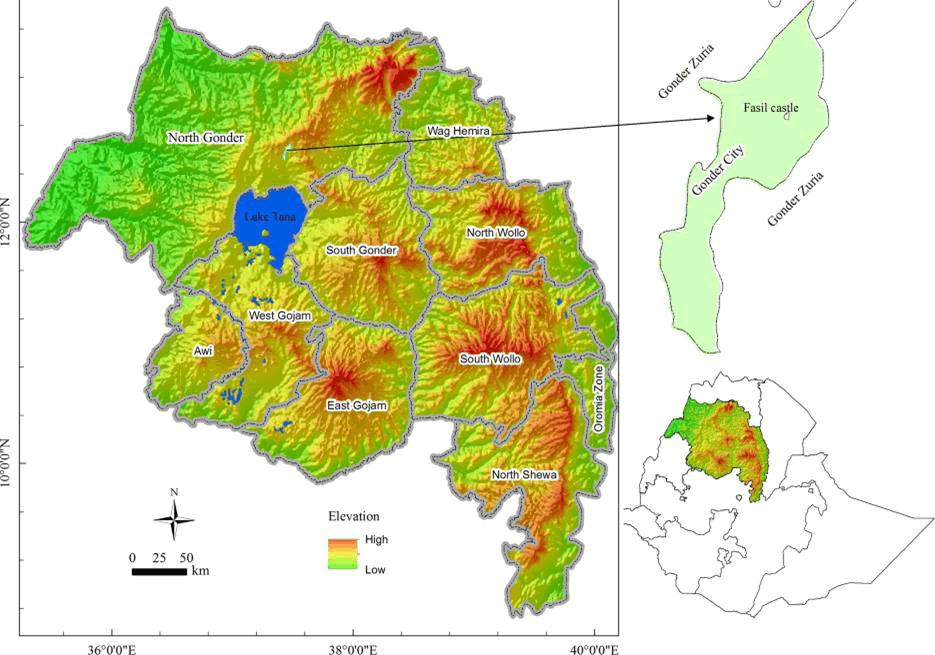
Figure 4. Maps of study area adopted from Tesfa and Xin.
Study design and period
A laboratory-based study was conducted from June 2021 to December 2021 to investigate the in vitro antibacterial evaluation and phytochemical screening of M. azedarach and P. guajava plant leaf extracts against clinically isolated and standard pathogenic species.
Sample collection
Fresh healthy leaves of M. azedarach and P. guajava were collected with sterile plastic bags from the University of Gondar and then identified by a botanist from the Department of Biology College of Natural and Computational Sciences, University of Gondar.
Sample processing and extraction
The collected leaves were washed with tap water, dried in the shade at room temperature in the laboratory and milled separately with a grinder. Leaves were extracted by the maceration technique with three solvents: methanol (99.0%), chloroform (99%), and ethanol (96%). One hundred grams of each plant leaf powder was macerated with 1000 ml of the above solvents and shaken for three consecutive days using an orbital shaker at 150 rpm. The sample was then filtered using Whatman No. 1 filter paper, and the solvent was evaporated using a rotary evaporator (RE200B, BEBBY, UK). The percentage yields of extracts were determined using the following formula: % yields (w/w)=(w1/w0) × 100%, where W1 is the weight of dried extract in grams, and W0 is the weight of dried plant material powder in grams. The stock solution was prepared by mixing 100 mg/ml leave extract with 50% Dimethyl Sulfoxide (DMSO) and stored at 4°C until use.
Test organisms and inoculum preparation
The antibacterial activity was conducted against clinically isolated and standard versions of three bacterial species, i.e., S. aureus, E. coli, and K. pneumoniae. These bacterial species were aseptically collected from the University of Gondar Comprehensive Specialized Hospital. They were preserved at 4°C until used. Each bacterial species was activated by streaking on culture media aseptically. All the inoculated species were incubated for 24 h at 37°C in an incubator. Then, the inoculum of each bacterium was prepared by taking the colonies and transferring them to tubes containing 0.9% normal saline. The colonies of bacteria were mixed gently to form a homogeneous suspension until the turbidity of the suspension was adjusted to 0.5 McFarland standards (1.5 × 10⁸ CFU/ml).
Preparation of culture media
Muller Hinton Media was prepared according to the manufacturer’s instructions (Blulux Laboratories Pvt. Limited) and sterilized by autoclaving at 121°C for 15 minutes. Approximately 25 and 75 ml of the prepared and cooled medium were poured into sterile 90 and 150 mm diameter Petri dishes, respectively.
Qualitative phytochemical screening
The phytochemical content of each ethanolic, methanolic, and chloroform leaf extract was analysed independently to check the presence or absence of phytoconstituents using the procedures described below.
Test for alkaloids
Mayer’s reagent: To 1 ml of the extract, 2 ml of Mayer’s reagent was added, and the appearance of a dull white precipitate indicated the presence of alkaloids.
Test for flavonoids
To 1 ml of extract, 1 ml of neutral ferric chloride was added. The formation of the brown color confirmed the presence of flavonoids.
Test for steroids
Lieberman-Burchard’s test: The extracts were dissolved in 2 ml of chloroform to which 10 drops of acetic acid and five drops of concentrated sulfuric acid were added and mixed. The change in red color from blue to green indicated the presence of steroids.
Test for terpenoids
Salkowski test: Five milliliters of each extract was mixed with 2 ml of chloroform, and 3 ml concentrated sulfuric acid was carefully added to form a layer. A reddish-brown precipitate of the interface indicated the presence of terpenoids.
Test for phenols
The extract was mixed with 2 ml of 2% solution of FeCl3. A blueâ??green or black colouration indicated the presence of phenols.
Test for tannins
Approximately 2 ml of the extract was stirred with 2 ml of distilled water, and a few drops of FeCl3 solution were added. The formation of a green precipitate was an indication of the presence of tannins.
Test for saponins
Five milliliters of extract were shaken vigorously with 5 ml of distilled water in a test tube and warmed. The formation of stable foam was taken as an indication of the presence of saponins.
Test for glycoside
The extract was mixed with 2 ml of glacial acetic acid containing 2 drops of 2% FeCl3. The mixture was poured into another tube containing 2 ml of concentrated sulfuric acid. A brown ring at the interphase indicates the presence of glycosides.
Antibacterial susceptibility test
The agar well diffusion method was employed to assess the antibacterial activity of the M. azedarach and P. guajava leaf extracts against the selected pathogenic bacterial species. A sterile cotton swab was used to dispense the bacteria evenly over the whole surface of Mueller–Hinton Agar (MHA). Each plant leaf extract and their combination were suspended using sterile 10% Dimethyl Sulfoxide
(DMSO). DMSO and gentamicin (10 mg/l) were used as negative and positive controls, respectively Wells 6 mm in diameter were punched off with the help of a sterile borer. Then, 100 μl of each plant extract and their combination (1:1) were added to each well separately. The agar plate was stayed for 1 hour under a laminar hood before being incubated for 24 hrs at 37°C. The antibacterial activity of extracts against test organisms was evaluated by measuring the zone of inhibition after 24 hr of incubation at 37°C.
Determination of Minimum Inhibitory Concentration (MIC)
The MIC of each extract was determined by preparing each leaf extract, a stock solution of 200 mg/ml dissolved in 10% DMSO. A two-fold broth dilution method was performed to obtain extract concentrations of 100 mg/ml, 50 mg/ml, 25 mg/ml, 12.5 mg/ml, 6.25, 3.125, and 1.56 mg/ml. The microtube dilution method was performed by adding 2 ml of nutrient broth to each labelled concentration. Then, 30 μl of a standard and clinical 24 hr old culture bacterial suspension (1 x 10⁸ cfu/ml) was added. The bacterial suspensions without extract were used as a positive control, and the nutrient broth without bacterial suspension was used as a negative control. The MIC value was examined by visualizing the bacterial suspension after inoculation, and the results were compared with the control tube. The lowest concentration of leaf extracts with the absence of bacterial colonies after 24 hr of incubation at 37°C was considered the MIC value.
Minimum Bactericidal Concentration (MBC)
The MBCs of the leaf extracts were determined by subculturing 50 μl samples from the tube that showed MIC values. The MIC value in the absence of bacterial colonies after 24 hr of incubation at 37°C was considered MBC.
Data analysis
The data of average zone of inhibition produced by each extract against each test bacteria used was analyzed using one-way ANOVA and the statistical program SPSS 23 (Statistical Package for the Social Sciences). The results were presented as the means ± standard deviation. Significance level for the differences was set at p ≤ 0.05.
Yields of extracts
The M. azedarach leaves had the highest yield of extract, while P. guajava had the smallest yield (Figure 5).
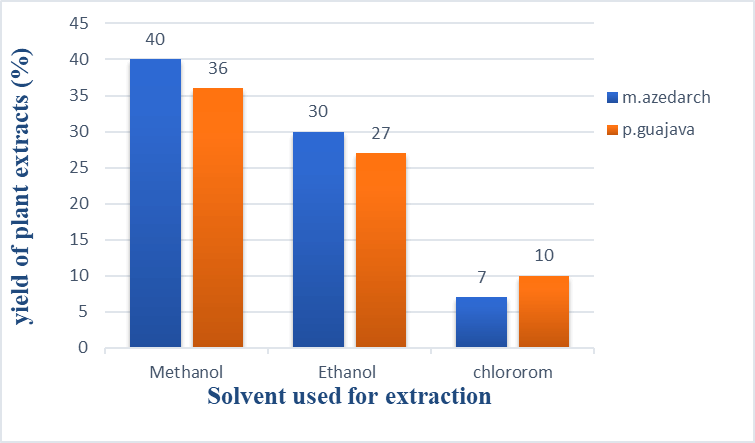
Figure 5. The percentage yield of M. azedarach and P. guajava leaf extracts.
Phytochemical screening
The presence or absence of all the investigated phytoconstituents was confirmed by qualitative phytochemical screening of the M. azedarach and P. guajava leaf extracts (Table 1).
| Constituents | M. azedarach | P. guajava | ||||
| Methanol extract | Ethanol extract | Chloroform extract | Methanol extract | Ethanol extract | Chloroform extract | |
| Alkaloids | + | + | - | + | + | - |
| Flavonoids | + | + | - | + | + | - |
| Steroids | + | + | + | _ | + | + |
| Terpenoids | + | + | _ | + | + | _ |
| Phenols | + | + | _ | + | + | + |
| Tannins | + | + | _ | + | + | _ |
| Saponins | + | + | + | + | + | _ |
| Glycosides | + | + | _ | + | + | + |
| Note: The (+) sign indicates the presence of phytoconstituents, while the (-) sign indicates the absence of phytoconstituents. | ||||||
Table 1. Phytochemical constituents of M. azedarach and P. guajava.
Individual antibacterial activity of each M. azedarach and P. guajava leaf extracts against tested bacteria
All extracts showed antibacterial activity against the test organisms. Ethanolic and methanolic extracts of both plants have shown considerable antibacterial activity against the test organisms.
The mean zone of inhibition of chloroform extract of M. azedarach leaf extract (4.33 ± 1.52-7.00 ± 2.00 mm) was significantly lower (P=0.05) than ethanol (24.00 ± 0.00- 24.33 ± 1.15 mm) and methanol extracts (23.00 ± 1.00-25.67 ± 1.53 mm) extracts against E. coli (clinical and standard) (Table 1).
Gentamicin showed a significantly higher zone of inhibition against the S. aureus standard than M. azedarach extracted with ethanol (10.33 ± 1.53 mm) and methanol (14.33 ± 0.58 mm). There were no significant differences in the zone of inhibition between gentamicin, ethanol, and methanol extracts against both E. coli clinical and standard and K. pneumoniae clinical and standard.
P. guajava extracted with ethanol (24.00 ± 1.00-24.67 ± 2.08 mm) and methanol (26.00 ± 1.00 mm) had a considerably higher zone of inhibition than chloroform extract (7.67 ± 1.53 mm-8.00 ± 1.00 mm) against E. coli clinical and standard, respectively (Figures 6 and 7). The gentamicin disc (24.00 ± 0.00 mm) showed a smaller inhibition zone than the ethanol extract (29.00 ± 0.00 mm) on the S. aureus standard (Table 2).
| Test organism | Solvent for extraction | Inhibition zone of M. azedarach extract (mm) | Inhibition zone of P. guajava extract (mm) |
| E. coli clinical | Eth | (24.00 ± 0.00)a | 24.00 ± 1.00)a |
| Met | (23.00 ± 1.00)a | (26.00 ± 1.00)a | |
| Chl | (4.33 ± 1.52)b | (8.00 ± 1.00)b | |
| Gen | (22.00 ± 0.00)a | (22.00 ± 0.00)a | |
| E. coli standard | Eth | (24.33 ± 1.15)a | (24.67 ± 2.08)a |
| Met | (25.67 ± 1.53)a | (26.00 ± 1.00)a | |
| Chl | (7.00 ± 2.00)b | (7.67 ± 1.53)b | |
| Gen | (24.00 ± 0.00)a | (24.00 ± 0.00)a | |
| K. pneumoniae clinical | Eth | (23.33 ± 1.15)a | (23.33 ± 1.15)a |
| Met | (25.00 ± 1.00)a | (21.33 ± 2.08)a | |
| Chl | (6.33 ± 0.58)b | (5.33 ± 3.21)b | |
| Gen | (23.67± 0.58)a | (22.00 ± 0.00)a | |
| K. pneumoniae standard | Eth | (23.33 ± 1.15)a | (23.33 ± 1.15)a |
| Met | (25.00 ± 1.00)a | (21.33 ± 2.08)a | |
| Chl | (5.00 ± 1.00)b | (10.67 ± 1.53)b | |
| Gen | (21.00 ± 1.73)a | (21.00 ± 1.73)a | |
| S. aureus clinical | Eth | (18.00 ± 3.61)b | (28.67 ± 1.15)a |
| Met | (15.67 ± 2.89)bc | (31.67 ± 2.08)a | |
| Chl | (7.67 ± 2.31)c | (8.67 ± 0.58)b | |
| Gen | (30.00 ± 0.00)a | (29.33 ± 0.08)a | |
| S. aureus standard | Eth | (10.33 ± 1.53)a | (29.00 ± 0.00)a |
| Met | (14.33 ± 0.58)a | (28.00 ± 1.73)a | |
| Chl | (12.00 ± 2.00)a | (12.00 ± 0.00)b | |
| Gen | (22.00 ± 0.00)b | (24.00 ± 0.00)X` | |
|
Note: Eth=Ethanol; Met=Methanol; Chl=Chloroform; Gen=Gentamicin; values are expressed as the mean ± SED (N=3); different superscript letters represent a significant difference. |
|||
Table 2. Individual antibacterial activities of crude extracts of leaves of Melia azedarach and P. guajava and gentamicin against the test bacteria.
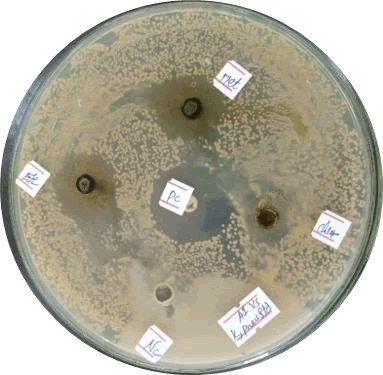
Figure 6. Inhibition of M. azedarach.
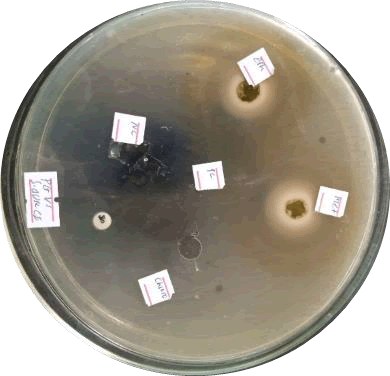
Figure 7. Inhibition of P. guajava.
Synergistic antibacterial effects of P. guajava and M. azedarach leave extracts against tested bacteria
The synergistic extracts of P. guajava and M. azedarach extracted with ethanol (28.33 ± 1.53 mm) and methanol (27.67 ± 2.52 mm) showed a significantly higher mean zone of inhibition than those extracted with chloroform (16.00 ± 1.00 mm) against E. coli clinical (P=0.05) (Table 2).
Gentamicin exhibited a significantly higher zone of inhibition against all test bacteria than chloroform extracts (Table 3 and Figure 8).
| Test organism | Solvent for extraction | Inhibition zone of extracts (mm) |
| E. coli clinical | Eth | (28.33 ± 1.53)a |
| Met | (27.67 ± 2.52)a | |
| Chl | (16.00 ± 1.00)b | |
| Gen | (22.00 ± 0.00)c | |
| E. coli standard | Eth | (26.33 ± 1.15)a |
| Met | (29.00 ± 1.73)a | |
| Chl | (14.67 ± 0.58)b | |
| Gen | (23.67 ± 2.08)ac | |
| K. pneumoniae clinical | Eth | (25.00 ± 2.00)a |
| Met | (23.33 ± 2.31)a | |
| Chl | (15.00 ± 1.00)b | |
| Gen | (21.00 ± 1.15)a | |
| K. pneumoniae standard | Eth | (19.67 ± 1.53)a |
| Met | (22.00 ± 2.65)a | |
| Chl | (14.33 ± 1.15)b | |
| Gen | (21.00 ± 1.73)a | |
| S. aureus clinical | Eth | (23.00 ± 2.65)a |
| Met | (24.00 ± 1.73)a | |
| Chl | (18.00 ± 2.65)b | |
| Gen | (24.00 ± 1.00)a | |
| S. aureus standard | Eth | (24.67 ± 0.58)a |
| Met | (26.33±1.15)a | |
| Chl | (14.00 ±1.00)b | |
| Gen | (22.00 ±1.00)a | |
| Note: Eth=Ethanol; Met=Methanol; Chl=Chloroform; Gen=Gentamicin; values are expressed as the mean ± SED (N=3); different superscript letters represent a significant difference. | ||
Table 3. Inhibition zone diameter of extracts from leaves of synergistic P. guajava and M. azedarach against the test pathogenic bacteria.
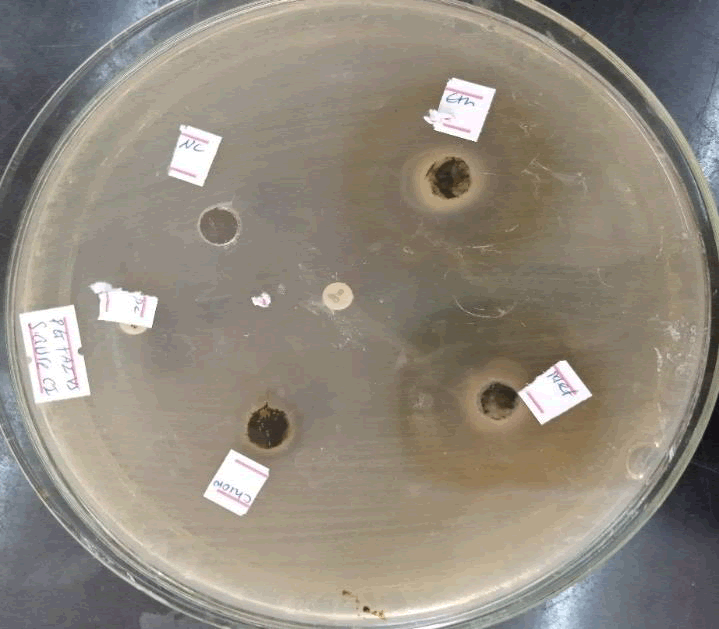
Figure 8. Inhibition of synergistic P. guajava and M. azedarach.
MIC of crude leaves extracts against pathogenic bacteria
The MIC of Melia azedarach crude leaves extracts against pathogenic bacteria: The methanol extracts of M. azedarach showed inhibitory activity with MICs of 6.25 and 12.5 mg/ml against E. coli (both clinical and standard respectively), at 50 and 25 against S. aureus (both clinical and standard, respectively) and K. pneumoniae at 25 and 50 mg/ml (both clinical and standard, respectively) (Figures 9 and 10).
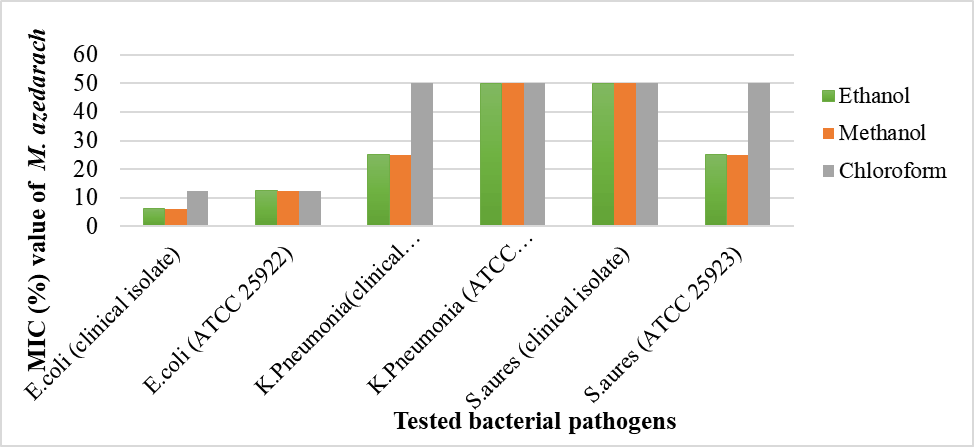
Figure 9. The MIC of M. azedarach leaf extracts against bacterial test organisms in mg/ml.
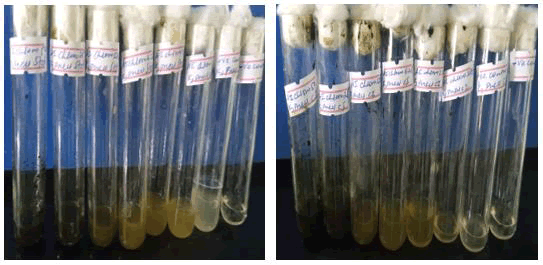
Figure 10. MIC of M. azedarach.
The MIC of P. guajava crude leaves extracts against pathogenic bacteria: The methanol crude leaf extract of P. guajava exhibited a strong MIC activity at 25 mg/ml against E. coli (both clinical and standard), at 25 and 12.5 mg/ml against S. aureus (clinical and standard respectively), and at 12.5 mg/ml against K. pneumoniae (both clinical and standard) (Figures 11 and 12).
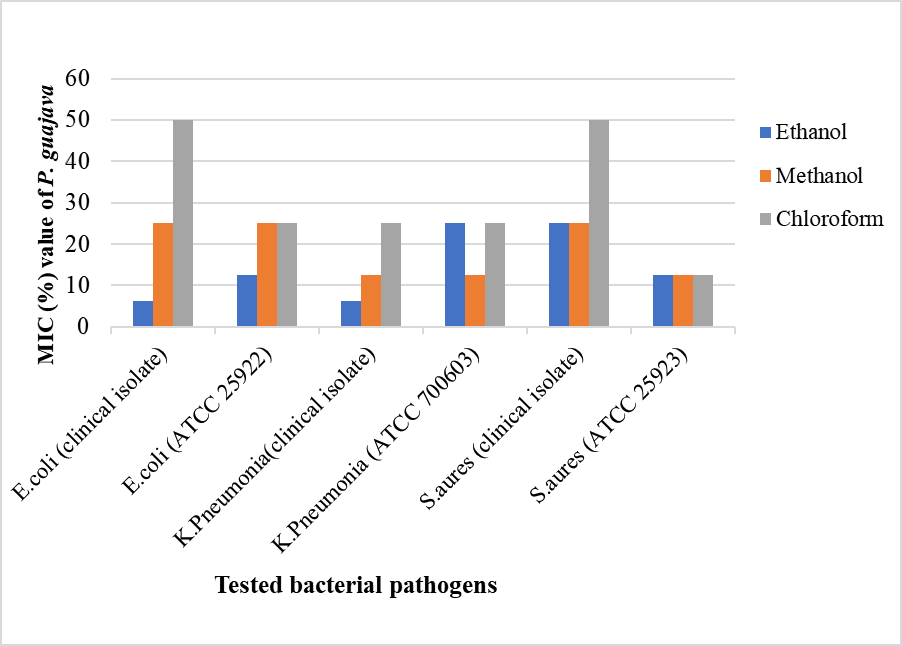
Figure 11. The MIC of P. guajava leaf extracts against bacterial test organisms in mg/ml.
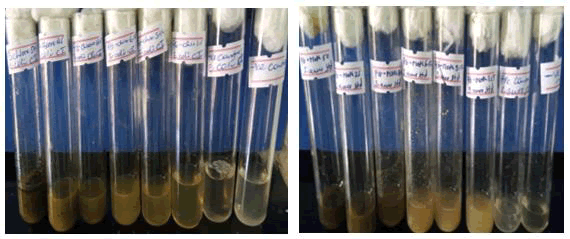
Figure 12. MIC of P. guajava.
The MICs of P. guajava and Melia azedarach crude leaves extracts against pathogenic bacteria: The methanolic leaf extracts of P. guajava and Melia azedarach exhibited strong MIC activities at 12.5 and 25 mg/ml concentrations against E. coli and S. aureus (both clinical and standard respectively) and at 25 mg/ml concentrations against K. pneumoniae (both clinical and standard) (Figure 13).
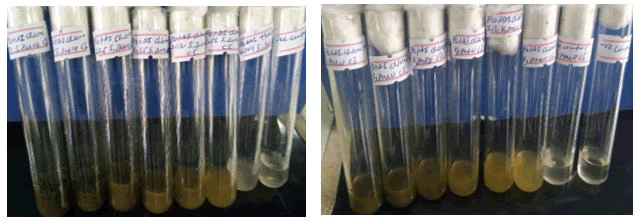
Figure 13. MIC of M. azedarach and P. guajava.
MBC of Melia azedarach crude leaves extracts
The methanol extracts of M. azedarach showed inhibitory activity with MBC values of 6.25 and 12.5 mg/ml against E. coli (both clinical and standard respectively) and 50 and 25 mg/ml against S. aureus and K. pneumoniae (both clinical and standard (Figures 14 and 15).
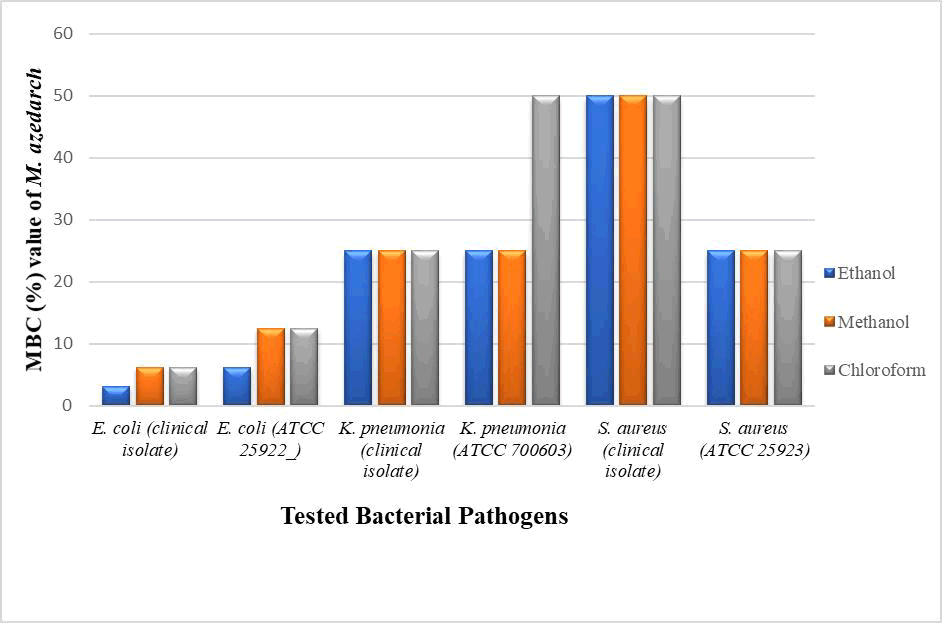
Figure 14. MBC of M. azedarach leaf extracts against bacterial test organisms in mg/ml.
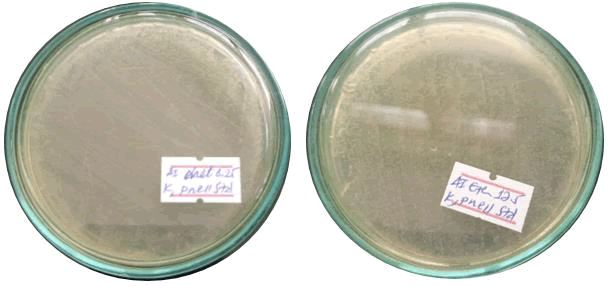
Figure 15. MBC of M. azedarach.
The MBC of P. guajava crude leaves extracts: The methanol crude leaf extract of P. guajava exhibited strong MBC activity at 12.5 and 25 mg/ml concentrations against E. coli (both clinical and standard respectively) (Figures 16 and 17).
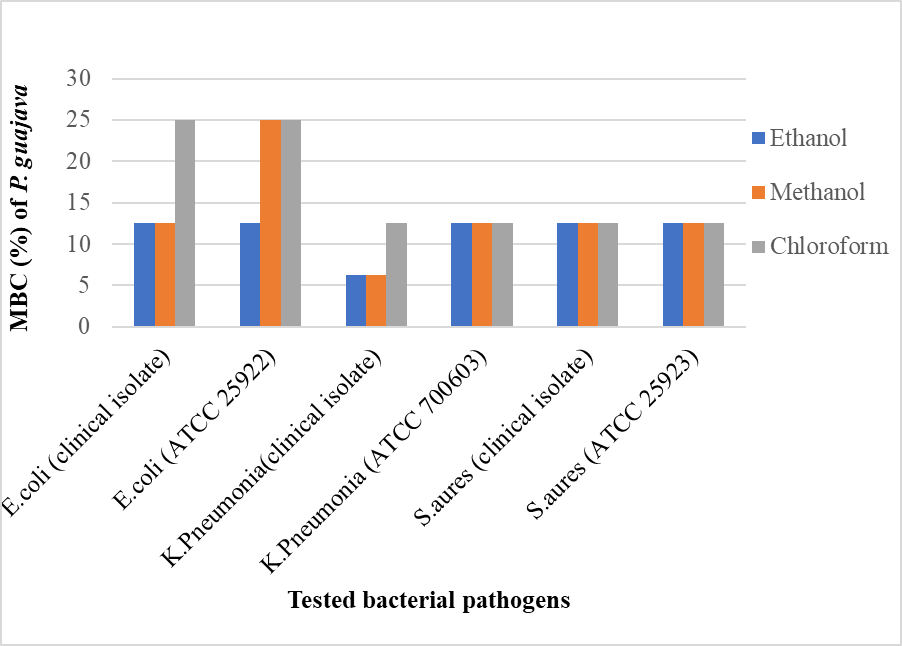
Figure 16. MBC of P. guajava leaf extracts against bacterial test organisms in mg/ml.
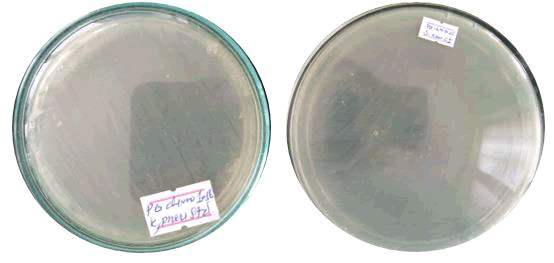
Figure 17. MBC of P. guajava.
The MBC of P. guajava and Melia azedarach leaf extracts: P. guajava and M. azedarach methanol crude leaf extracts showed significant MBC activity against E. coli and S. aureus (both clinical and standard, respectively) at 12.5 mg/ml concentrations and 12.5 and 25 mg/ml concentrations for K. pneumoniae (both clinical and standard respectively) (Figures 18,19 and Table 4).
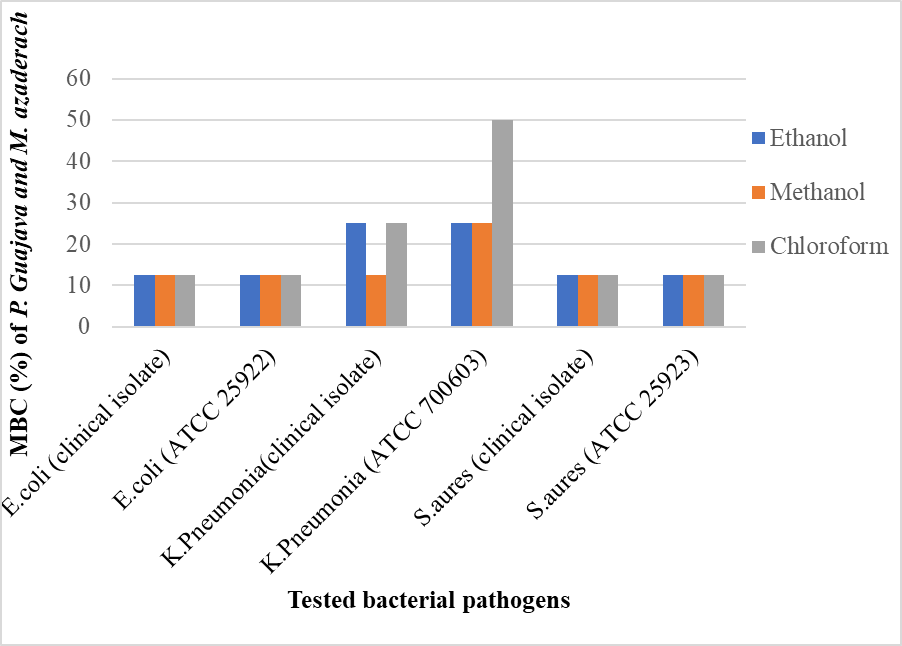
Figure 18. The MBC of M. azedarach and P. guajava leaf extracts against bacterial test organisms in mg/ml.
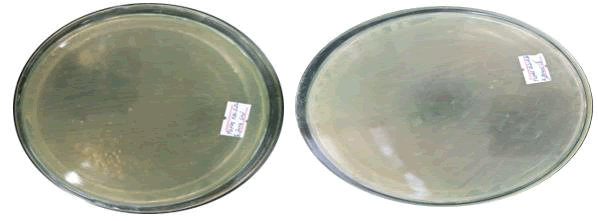
Figure 19. MBC of M. azedarach and P. guajava.
The functional groups of phytochemicals
Different types of functional groups of phytochemical shows in Figures 20-25.
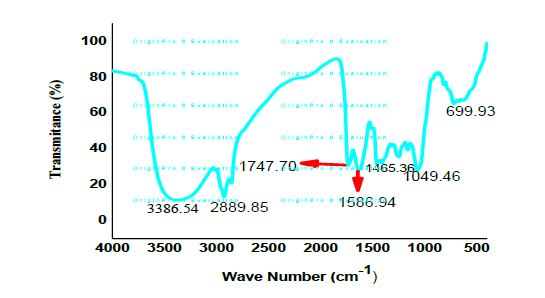
Figure 20. M. azedarach methanol extract.
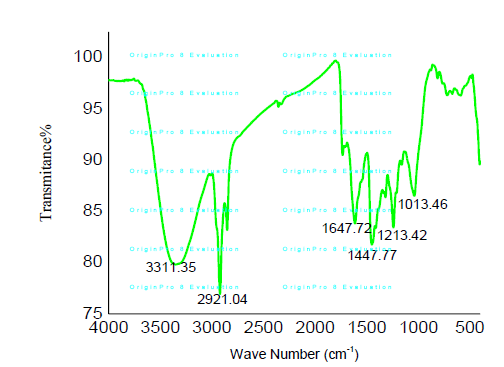
Figure 21. M. azedarach chloroform extract.
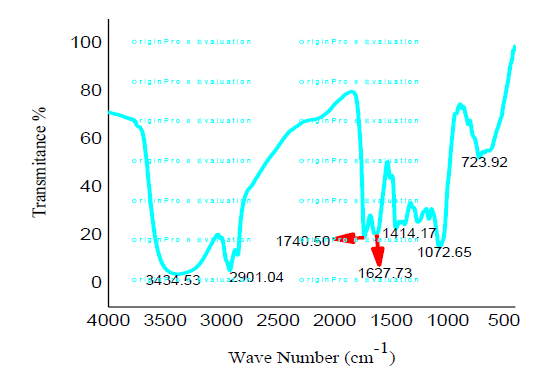
Figure 22. M. azedarach ethanol extract.
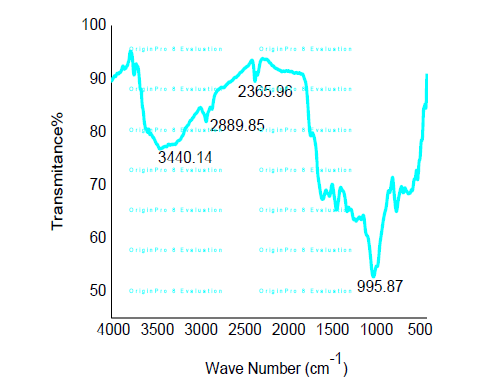
Figure 23. P. guajava chloroform extract.
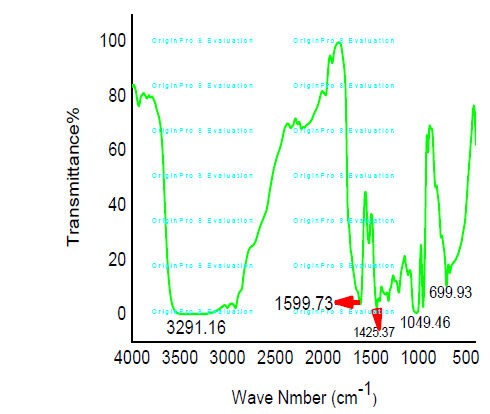
Figure 24. P. guajava ethanol extract.
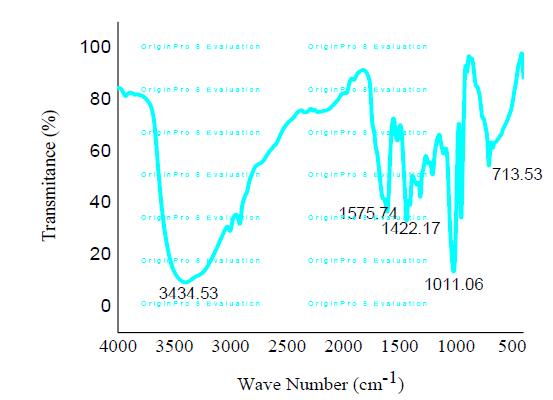
Figure 25. P. guajava methanol extract.
| Solvent | Peak values | Functional groups | ||
| M. azedarach | p. guajava | M. azedarach | P. guajava | |
| Chloroform | 3311.35 | 3440.14 | N-H, amines | O-H, alcohol, |
| 2921.04 | 2889.85 | C-H, alkane, | C-H, alkane | |
| 1647.72 | 2365.96 | C=C, alkene | S-H, thiol | |
| 1447.77 | 995.87 | C-H, alkane | C=C, alkene | |
| 1213.42 | _ | C-O alkyl aryl ether | _ | |
| 1013.46 | _ | C-O, primary alcohol | _ | |
| Methanol | 3386.34 | 3434.53 | O-H alcohol | O-H, alcohol |
| 2889.85 | 1575.74 | N=C=O, isocyanate | N-O, nitro compound | |
| 1747.7 | 1422.17 | C=O, esters | C-H, alkane | |
| 1586.94 | 1011.06 | N-O, nitro compound | C-O, carbonyl | |
| 1465.36 | 713.53 | C-H, alkane | C=C, alkene | |
| 1049.46 | _ | CO-O-CO, anhydride | _ | |
| 699.93 | _ | C-H, benzene Derivative | _ | |
| Ethanol | 3434.53 | 3291.16 | O-H, alcohols | O-H, alcohols |
| 2901.04 | 1599.73 | C-H, alkane | N-O, nitro compound | |
| 1740.5 | 1425.37 | C=O aldehyde | O-H, carboxylic acid | |
| 1627.73 | 1049.46 | C=C, alkene | S=O, sulfoxide | |
| 1414.17 | 699.93 | S=O, sulfonyl | C=C, alkene | |
| 1072.65 | _ | C-O, primary alcohol | _ | |
| 723.92 | _ | C=C, alkene | _ | |
Table 4. FTIR spectral peak values and functional groups were obtained from methanol, ethanol, and chloroform leaf extracts of M. azedarach and P. guajava.
The absorption spectra of the samples were obtained and the associated functional groups are presented in Table 4 and Figure 12. More than 15 functional groups and predictable phytochemicals were identified in the leaf extracts of both M. azedarach and P. guajava. The strong instance peaks are identified at 3434.53, 3386.34, and 3311.35 cm-1, which are assigned to the alcohol, hydroxyl compound, and amide in the ethanol, methanol, and chloroform extracts of M. azedarach, respectively. In P. guajava extracted with chloroform, methanol, and ethanol, 3440.14, 3434.53 and 3291.16 cm-1 contain amines and hydroxyl groups respectively. Some other groups, such as an alkane, nitro compound, aldehyde, and carboxylic acids are absorbed at 2901.04, 1599.73, 1740.50, and 1425.37 cm-1 in M. azedarach and P. guajava respectively.
In the present study, the highest yield of extract was recorded from the methanol extract (40%w/w) of M. azedarach followed by ethanol extracts (30% w/w), this is contrary to the study of ethanolic extracts of m. azedarach (22.13% w/w). Ethanol extract (27%) of P. guajava leaf extract, that is opposite to the report by Okafo et al., ethanol extract was 53.4%w/w, showed better yield than the chloroform extract (10% w/w) of this plant’s leaves. The lowest percentage of extract was obtained by chloroform extraction of both plant leaves. This shows that secondary metabolites found in leaves of both plants are predominantly polar.
Plants contain a variety of chemicals that could be used to generate new antibacterial activities. Plant-based antibacterial compounds have considerable antibacterial potential. Secondary metabolites found in medicinal plants have a variety of antibacterial actions that aid in the prevention of bacterial infection, which in turn plays a tremendous role in fighting antibiotic resistance.
In the present study, a preliminary qualitative phytochemical analysis was carried out to identify the major secondary metabolites, such as tannins, flavonoids, steroids, terpenoids, and alkaloids, in both plant leaf extracts. The methanolic and ethanolic extracts of M. azedarach contain alkaloids, terpenoids, saponins, flavonoids, phenols, tannins, and steroids, this is confirmed with the study of Farook et al. Chloroform extracts containing only steroids and saponins were found, which is the same as the study of Galeane et al.
The P. guajava ethanol extract contained all of the examined phytochemical constituents, and the same finding was also presented by Alexander et al., whereas its methanol extract contained all of the tested phytoconstituents except steroids. On the other hand, the chloroform extract contains glycosides, phenols, and steroids, which is in line with a previous study by Biswas et al.
In general, the presence of essential secondary metabolites from plants play a crucial role in the treatment and control of many bacterial infections. Thus, these medicinal plants are employed as alternative medications. It is acceptable that other phytochemicals that were not included in this study may also provide antibacterial ability of P. guajava and M. azedarach plants.
This study revealed, that the combined antibacterial activity of methanol, ethanol, and chloroform extracts of M. azedarach and P. guajava leaf extracts showed great antibacterial activity against most microorganisms tested except S. aureus (both standard and clinical isolates), for which the individual antibacterial activity of the two plants showed the lowest antibacterial effect on these pathogenic bacteria. The synergistic and separate leaf extracts of M. azedarach and P. guajava showed excellent antibacterial activity against clinical and standard bacteria, namely, K. pneumoniae and E. coli.
M. azedarach ethanolic and methanolic extracts have high activity against all tested bacterial species except S. aureus standard (10.33 ± 1.53 mm) and (14.33 ± 0.58 mm) zones of inhibition respectively. In contrast, according to Sen and Batra, ethanolic and methanolic extracts of M. azedarach have 19.5 ± 0.52 mm against S. aureus and 21.5 ± 0.86 mm against E. coli, respectively. In comparison with the other bacterial species, a higher inhibition zone of gentamicin was recorded against the S. aureus clinical isolate (30.00 ± 0.00).
The examined methanol and ethanol extracts against clinical isolates of E. coli (24.00 ± 0.00 mm and 23.00 ± 1.00 mm) species were shown to be more active than the S. aureus standard. Both methanol and ethanol extracts of M. azedarach had the same antibacterial activity against K. pneumoniae, both standard and clinical isolates (23.33 ± 1.15 mm).
P. guajava has excellent antibacterial activities and can be used to combat the problem of resistance offered by pathogens. The ethanolic leaf extract of P. guajava against E. coli clinical is 24.00 ± 1.00 mm, in contrast to Alexander et al., ethanol extract shows a 10.44 ± 0.02 mm zone of inhibition. This study revealed that the chloroform extract of leaves of P. guajava showed antibacterial activity against S. aureus standard (12.00 ± 2.00 mm). This is in line with the study of Shah et al., in which chloroform extract showed an inhibition zone (12.00 ± 0.00 mm) against S. aureus standard.
Another study revealed that the methanolic extract from the leaves of P. guajava shows remarkable inhibition against the selected bacteria. The current study revealed that the methanolic extracts showed maximum inhibition of S. aureus in both clinical and standard (31.67 ± 2.08 mm and 28.00 ± 1.73 mm, respectively) compared with the rest of the bacteria, which is in line with the study of Biswas et al., S. aureus was susceptible to the P. guajava leaf extract.
The in vitro antibacterial potential of the ethanolic extract of the leaves of P. guajava has also been determined against K. pneumoniae and E. coli (both clinical and standard), which shows an excellent inhibition zone against these bacteria, but contrary to the report of Biswas et al., neither of the Gram-negative bacteria showed any inhibition, which may be due to the differences in the soil texture where these plants are grown or probably due to changes in the environmental conditions. These bacterial species were also tested for their resistance to antibiotics. The antibiotic used was gentamicin, which was shown to have the greatest inhibitory effect against S. aureus clinical. Generally, P. guajava methanol and ethanol extract showed higher antibacterial activity compared to chloroform extract, this shows similarities to the findings of Abdullah et al.
The antibacterial activity of a combination of both plant leaf extracts showed higher antibacterial activity than the individual effects.
The MIC determination test revealed that a different minimum concentration of the crude extract was gained in the plants that could inhibit the growth of the reference bacteria. The lowest MIC value was recorded for the methanol and ethanol extracts of P. guajava against E. coli clinical (6.25 mg/ml). In contrast, the higher concentration of crude extracts inhibited the growth of both S. aureus clinical and K. pneumoniae ATCC 700603 (50 mg/ml), with MIC values of 6.25 and 12.5 respectively. The MIC determination test demonstrated that two of the plant leaves had a different minimum concentration of crude extract that could inhibit the growth of the reference bacterium. The lowest (12.5 mg/ml) MIC value was recorded for the methanol, ethanol, and chloroform combination extracts of P. guajava and M. azedarach leaf extracts against E. coli clinical. In contrast, a higher MIC concentration of the combination crude extracts was recorded from all extracts against all test organisms except E. coli. The crude extracts of both plants separately and their combinations showed different MBC values. The crude extracts of both plants are bactericidal.
From the results of the MIC determination of individual and combined effects of both plants leave extracts, showed that a very low concentration of 3.12-50 mg/ml the extracts inhibit the growth of the tested bacteria, similar finding is recorded for MBC.
FTIR spectroscopy data analysis helps in understanding the chemical functionality of the compound in the plant sample when run under the IR region in the range of 400-4000 cm-1, there was a variation in the peak in both plant samples.
According to the current study, both studied plant leaves had significant active phytochemical components. The two studied plant leaves extracted with ethanol and methanol revealed a higher potential antibacterial activity against human pathogens than chloroform extract. All the plant species evaluated in this study are currently used traditionally for the treatment of diarrhea and wound infections. The positive findings from this study provide a scientific basis for the traditional use of M. azedarach and P. guajava. The extracts of M. azedarach and P. guajava have promising antibacterial activity individually and in combination against each of the tested pathogenic bacterial species. Finally, the results of this study clearly elucidate the antibacterial potential of these plants and provide evidence to support their use in folk medicine.
As per the findings of this study, the following recommendations are forwarded for further investigation.
• On the in vivo antibacterial evaluation of these plants.
• The quantitative phytochemical contents of extracts and GCMS analysis need to investigated.
• investigate the individual and synergistic effects of these plant parts, such as roots, bark and seeds, against antibacterial and antifungal effects.
I would like to express my special gratitude to my thesis principal advisor Prof. Nega Berhane, who continuously empowers and encourages me, provide useful feedback as well as giving a lot of patience and support during this work. I would like to pay special thanks to my coadvisor Mr. Aragaw Zemene, who is willing to give time and enthusiasm to direct, instruct, and share his encounters and information. I would also like to express my gratitude to Bogale Damtew, Dagne Bitew and Getachew Alamnie for the ambitious effort during my experimental accomplishment.
Moreover, my sincere thanks goes to the University of Gondar Comprehensive Specialized Hospital for their willingness to give me bacterial species. My extreme acknowledge goes to Mr. Abiyu Enyew at University of Gondar, Department of Biology, for his help in the morphological characterization, identification, and of medicinal plants that were used in this study.
I am thankful to Adigrat University for giving me a scholarship and sponsoring my study. I am also grateful to the University of Gondar, Institute of Biotechnology, which creates good environmental conditions to attend my MSc program in Medical Biotechnology.
[Crossref] [Google Scholar] [PubMed]
[Crossref] [Google Scholar] [PubMed]
[Crossref] [Google Scholar] [PubMed]
[Crossref] [Google Scholar] [PubMed]
[Crossref] [Google Scholar] [PubMed]
[Crossref] [Google Scholar] [PubMed]
[Crossref] [Google Scholar] [PubMed]
[Crossref] [Google Scholar] [PubMed]