

 +44 3308180992
Research Article - International Research Journal of Engineering Science, Technology and Innovation ( 2025) Volume 11, Issue 2
Received: 04-Oct-2024, Manuscript No. irjesti-24-149633; Editor assigned: 07-Oct-2024, Pre QC No. irjesti-24-149633 (PQ); Reviewed: 21-Oct-2024, QC No. irjesti-24-149633; Revised: 20-Feb-2025, Manuscript No. irjesti-24-149633 (R); Published: 27-Feb-2025, DOI: 10.14303/2315-5663.2025.127
Tracking the variables that dictate the state of EV charging ecosystems is crucial for electrical vehicle monitoring. A key source of information for the creation of models is the data obtained from the sensors that are used to monitor them. to forecast how the battery and charging station will behave in relation to their voltage level and other occupants. a new Battery Management System (BMS) multimodal monitoring system's design and execution. The system design differs from previous recent proposals since it is predicated on certain essential requirements. A variance-based detection technique is presented for the State of Health (SOH) to enable defect detection and degradation prediction for batteries in electric vehicles.
Tracking, EV charging system, Sensors, Battery Management System (BMS), Multimodal monitoring systemInternational
Excessive use of gasoline in automobiles can cause environmental damage, health problems, and price fluctuations. Electric Vehicles (EVs)/Electric Vehicles (EHVs) have emerged as inter-city transportation options due to their low maintenance cost, good performance, low noise and affordability (Wang Z et al., 2017). A clean battery power supply is ideal for electric/UHV vehicles that can be charged at battery charging stations (Hannan MA et al., 2018). However, due to the growing number of electric vehicles, the existing power grid may be affected and the power quality may also suffer (Li Y et al., 2019). The widespread use of electrical circuits at battery charging stations has raised concerns about the potential contamination of distribution systems, which can shorten the life of distribution transformers (Wang Q et al., 2021). The traditional method uses a diode bridge rectifier with a large filter capacitor, which produces a non-sinusoidal current with high discharge and current THD of 7080% (Landi M et al., 2014). Electric vehicle drives are a new level of electric vehicle architecture, but also a challenge for meeting all requirements (Thangavel S et al., 2023). Rechargeable batteries store chemical energy, which is the only source of propulsion for Battery-Electric Vehicles (BEVs) (Anbazhagan L et al., 2019). Electric cars run on lithium-ion batteries, and we're dedicated to developing cutting-edge lithium-ion batteries (Eull M et al., 2021) (Figure 1).
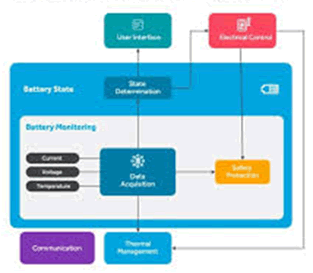
Figure 1. Typical battery management system.
Battery Management Systems (BMS) are important to electric vehicle safety because they control the electrical components of a rechargeable battery, whether it's a cell or a battery pack. Voltage balancing between cells, data collection, ambient condition control, and battery health monitoring (SOH) are all done by the BMS. In addition to fuel monitor integration, smart bus communication protocols, General Purpose Input/Output (GPIO) choices, unit comparison by wireless charging for integrated battery charging, and additionally, the smart battery pack and BMS link to external data communication systems or data lines. Batteries may be kept longer by using battery management systems, which stop overcharging and discharging.
In order to improve the prediction accuracy, increase the effectiveness of the SOH model in real battery management systems, and determine the characteristic parameters of the most effective IC curve, Wang et al. A battery health (SOH) estimation method based on ICA is proposed. Wavelet filter is used to generate and analyze IC curves, extracting peak values and positions as Health Factor (HF). The relationship between SOH and HF was studied using sandblasting analysis. Gaussian Process Regression (GPR) was used to construct the SOH model, and the conjugate gradient method and the Multi-Island Genetic Algorithm (MIGA) were used to calculate the optimal gradients. In addition, the effects of kernel types and HF functions are examined. Experiments were conducted to verify the efficiency of the proposed SOH MIGA-GPR model.
An effective swing body mechanism serves as the foundation for Huang et al. electromagnetic Ocean Wave Energy Harvester (OWEH). Via transmission gears, the OWEH powers an Electromagnetic Power Module (EPM) by sensing motion of ultra-low frequency waves. Through dynamic and electromagnetic simulations, the OWEH's power generation capacity was maximized. The purpose of the power management circuit was to automatically charge a lithium battery and discharge an external load. During testing in the Yellow China Sea, the OWEH showed excellent performance and flexibility. The longevity of ocean buoys may be extended by their ability to power numerous low-power components. The OWEH's compact dimensions of 10 × 10 × 6.3 cm3 makes it simple to install inside the majority of buoys, opening the door for soon-to-be autonomous ocean buoys.
Zhang Yi et al., developed a network SC architecture (MSSCE) to balance performance, size and cost. MSSCE recognizes the shortest comparison path from one battery to all batteries in the battery pack, thereby increasing comparison speed and efficiency. MSSCE switch impedances are obtained and analyzed, and design guidelines for frequency and power switching are provided. Test results show that the proposed MSSCE can increase the charging speed and capacity up to 91.7% and is resistant to unbalanced cell voltages.
In order to evaluate cell variations in Electric Vehicle (EV) battery systems, Wang Z et al. A template has been created. This model uses real-time data to extract similarity indices (CI)from large amounts of electric vehicle control data. Thedynamics of the battery are described using the Thevenin-like circuit model, and a least-squares approach with anadjustable forgetting factor is proposed to minimize thedifferences in parameter setting. The developmentalcharacteristics of the three CIs were analyzed using therobust regression method. To fully evaluate the variabilityof several parameters of the battery system, density-basedspatial clustering with Mahalanobis noise and distance isused. The results show the efficiency and robustness of theproposed method for the assessment of phone variations,suitable for practical applications. Landi M and Gross Gpresent two rapid methods for evaluation health index oflithium-ion batteries. The early battery situation is for both.This method works well and does not require muchcomputing power, which is suitable for V2G trafficmanagement.
System design
There are two types of battery models: Equivalent Circuit Models (ECMs). Although ECMs are a good way to capture the physics and internal processes of a battery cell, using them in real-time with estimate algorithms is difficult due to their high computing complexity. ECMs can be parameterized with system identification approaches using experimental data. But the battery model that comes with a BMS is unable to capture the gradual deterioration that occurs inside the battery over time. The BMS should display the battery's State of Health (SOH) and calculate its energy storage capacity, which is based on the battery's internal resistance. The classic has to update its factors as the battery forever (Figure 2).
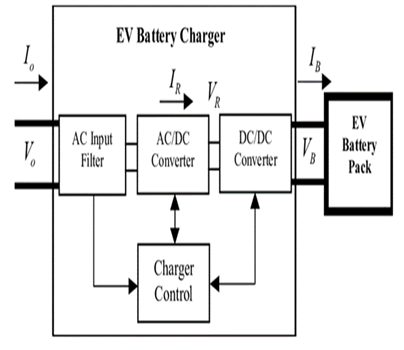
Figure 2. Existing block diagram EV battery charger.
With their 2G and 3G networks, mobile phones are very popular and offer platforms for communication. Car accidents can be brought on by a variety of causes, including intoxication, sleepiness, and unconsciousness. Accidents are also enforced by nearby drivers' actions. Although certain procedures have been put in place to prevent accidents, they do not offer enough ways to do so. Wireless detectors are a novel way to increase protection against traffic accidents.
Proposed system
Battery management is important to safety because it helps prevent battery failure due to factors such as age and design flaws. Manual monitoring systems only provide live data, so using wireless technology to remotely monitor the battery system is essential. Uninterruptible power supply systems are designed for this purpose, to ensure continuous power supply for domestic and commercial purposes during power outages. This system includes a device such as Bluetooth that transmits a signal to an interface that displays measurement data for the user to read. An electric vehicle test object consists of a battery consisting of a 12V/48V battery and several cells connected in series. The battery pack also contains sensors such as temperature, sound, and voltage. The battery management module (BMS) consists of a main board, a slave board, and an additional board for the CAN to USB bus slot (Figure 3).
For safety reasons, reliable battery management is required.
• To start, the suggested system will use a cell phone to verify the security of the car and turn on and off the engine.
• Secondly, sensors that determine the condition of batteries are crucial for remotely monitoring battery systems using bluetooth technology.
• The system is made up of several components, such a mobile app interface that displays measured data by sending signals to the mobile device via Bluetooth.
• Additionally, when the EV car driver answers an incoming call, the vehicle's ON/OFF state is alerted.
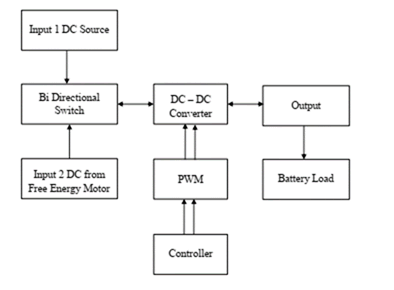
Figure 3. Proposed block diagram.
The proposed system of the project is to be illustrated in Figure 3. The goal of the project is to create a bidirectional DC/DC converter that will regulate the flow of energy between batteries. It necessitates knowing how the PV panels and BLDC motor are linked to the system. To improve energy density, a common PCB for the converter and BLDC-inverter is suggested. An Arduino board will be used to create software in order to monitor and regulate power transmission and batteries. With a twin battery system, this design will offer insights into extending the number of days at sea without shore charging and encourage others to upgrade their boats with more environmentally friendly options.
• Microcontroller board
• DC-DC converters and PWM
• Pulse width modulation
• Bidirectional buck-boost converter
• Boost converter
• MPC MPPT in proposed system
• MPC control algorithm flowchart
Microcontroller board: A BMS's master board, which serves as its main controller, is in charge of gathering, processing, and presenting data to users. Safety is also monitored and guaranteed. The Arduino NANO microprocessor on the board, which is based on the ATMega328, allows for multitasking and real-time operation. The board is made up of several series of modules, such as motor control modules, voltage sensing, communication, controllers, temperature sensors, current sensors, and voltage regulators.
DC-DC convertors and PWM: Since the voltage needed and the voltage provided may differ, power converters are a crucial component of many electrical systems that need to transfer energy between various voltage levels. Switch-mode conversion is utilized to accomplish conversions that are energy-efficient. The three generic switch-mode DC/DC converters-Buck, Boost, and Buck-Boost-as well as the PWM needed to operate them-will be discussed.
Pulse width modulation: By adjusting the switch(s)' on and off states, Pulse-Width Modulation (PWM) regulates the output voltage of DC/DC converters. As the name suggests, the time a pulse is -onâ?? with respect to the switching period is what controls its breadth. The duty cycle is the ratio of the amount of time the switch spends in the "on" position compared to the switching period Ts. Where the duty cycle can be expressed as D=ton/Ts (Figure 4).
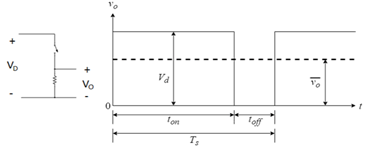
Figure 4. PMW switch mode.
Figure 4 depicts a simple switch-mode DC/DC converter and shows how PWM can be used to regulate a switch at a duty cycle that establishes the average output voltage Vav even in the event that the input voltage and output load fluctuate.
Bidirectional buck-boost converter: An examination of switching in the steady state will be conducted to get a basic grasp of the operation of the buck and boost modes. When describing the converter's DC steady state, several simplifying assumptions must be made. These include the use of perfect components, pure DC voltages in Vin and Vout, and Continuous Conduction Mode (CCM) operation, which allows the inductor current to flow constantly (Figure 5).
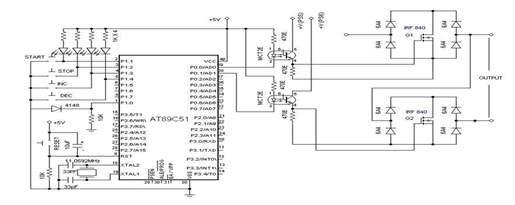
Figure 5. Proposed circuit diagram.
Boost convertor: A boost converter using a MOSFET is utilised to increase the PV's output voltage from 25 V to 120 V. The algorithm based on the MPPT views the MOSFET as an electronic switch. Consequently, by altering the duty-cycle, this output is produced.
MPC MPPT in proposed system: As shown in Figure 4, this innovative high step-up DC/DC converter setup two power switches, one output capacitor, three diodes, and two inductors make up this configuration. The converter operates in two modes, S={0 or 1}, depending on the switch position. The next paragraph examines the Continuous Conduction Mode (CCM) analysis of operating modes while keeping in mind the best attributes of the circuit components. The two switches are turned on and off at the same time. Consequently, inductors L1 and L2 are charged in operational mode and steady-state inspection on the statement of ideal parameters, and they have the same inductance value.
MPC control algorithm flowchart: MPC based MPPT algorithm flowchart shows in Figure 6.
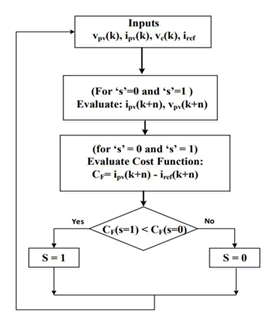
Figure 6. Proposed MPC based MPPT.
System requirement
Software requirements:
• MATLAB R2014a (simulation)
• Arduino IDE
• Proteus (schematic diagram)
Hardware requirement:
• MOSFET
• Inductor
• Capacitor
• Diode
• Transformer
• Resistor
• Microcontroller
• Firing circuit
• Snubber circuit
MOSFET
The copper oxide semiconductor field effect transistor (MOSFET) is a semiconductor device that may be controlled by a gate signal (g>0) if the current Id is positive (Id>0). In a reverse unjust MOSFET device (Vds<0), the internal diode connected in parallel to it conducts. The logic signal (G>0, g=0) uses the switch to describe the system as a series conjunction of an inductor (Lon) and variable resistance (Rt) (Figure 7).
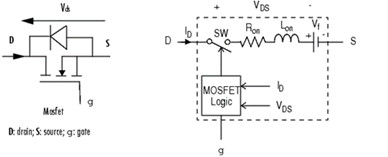
Figure 7. MOSFET.
When a positive signal (g>0) is applied to the gate input, the source voltage becomes positive and the MOSFET element conducts. The MOSFET conducts when the gate input drops to zero while the element receives positive current. If the current Id is negative (Id flows through the internal diode) and there is no gate signal (g=0), the MOSFET turns off when the current Id falls to zero (Id=0). Activities A diode is a semiconductor device that can independently control the voltage Vak and the current Iak. The diode starts to conduct with a small forward voltage Vf when it is forward biased (Vak>0). The gadget shuts off when the current passing through it is zero. In the event that Vak is less than zero, the diode stays in its neutral state. A diode block is also included in the Rs-Cs series snubber circuit, and it can be connected in parallel to the diode element (between nodes A and K). Revolution A semiconductor device called a diode has the ability to independently regulate both the voltage Vak and the current Iak. When the diode is forward biassed (Vak>0), it begins to conduct with a tiny forward voltage Vf. The gadget shuts off when the current passing through it is zero. In the event that Vak is less than zero, the diode stays in its neutral state. A diode block is another component of the Rs-Cs series snubber.
Hardware requirements
Power supply section of microcontroller
Step down transformer: Transformer with a Step-Down When AC power is provided, the power transformer's primary winding is stepped up or down depending on the needed quantity of DC power. A 230V/12-0-12V transformer powers the buck operation in this circuit; to its secondary winding, the 230V AC appears as 12V AC. The transformer's top end becomes positive and its bottom end becomes positive as the input fluctuates. Changes after that will immediately have an opposite impact. The transformer employed in this project has a 500 mA current rating. Lowers AC voltage and eliminates the power supply and connection
Diode: Power supplies employ rectifier diodes, which only permit electricity to flow in one direction, to carry out the rectification manage, which changes Alternating Current (AC) into Direct Current (DC). To accomplish rectification of full waves, a bridge rectifier made up of four diodes (4*1N4007) is used. In a positive half cycle, two diodes actions, and in a negative half cycle, the other three. For the majority of low voltage circuits with currents under one amp, the 1N4007 is appropriate.
Filter unit: The rectifier unit is always followed by a filter circuit, which is often an arrester with a capacitor base. This capacitor, sometimes referred to as a decoupling or bypass capacitor, is used to short the 130 Hz ripple to ground and leave the DC frequency at the output of the circuit.
Voltage transmitter: An essential component of every electrical installation is a voltage regulator. The voltage regulator's primary job is to assist the rectifier and filter circuit in giving the devices a steady DC voltage. The fundamental issue is that when the load or the AC line voltage changes, the power supply is unable to regulate the DC voltage value. The voltage can be maintained within a certain range of the intended output by connecting the regulator to the DC terminal.
Resistance: Resistors are classified as "passive components" because they only reduce or attenuate the resulting voltage signal; no power source or amplifier; because resistors prevent the flow of electrons, a failure causes the electrical circuit to die in the form of heat.
Sender: Electromagnetic components with two ends that hold energy in a magnetic field are called inductors. Instead, resistors release energy in the form of heat rather than storing it; Energy is trapped in an electric field. According to Faraday's law of induction, when the current flowing through an inductor changes, it creates a magnetic field that changes with time in the coil. This voltage is an input voltage, and according to Lenz's law, it resists the change in current it causes. Because they can delay and repeat alternating current, inductors are one of the basic components of electronic devices that vary in voltage and time.
IRFP840 (MOSFET): Metal-Oxide-Semiconductor Field-Effect Transistors (MOSFETs) are modern devices developed by integrating field-effect ideas with the field of MOS technology. MOSFETs are used as controlled switches, so a control signal can be applied to turn the device on or off. The symbol of IRFP840 MOSFET is shown in Figure 8.
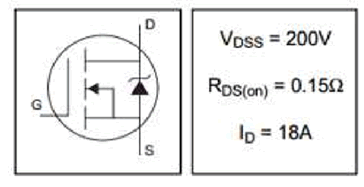
Figure 8. IRFP840 MOSFET.
MOSFET with Snubber circuit
The Metal-Oxide Semiconductor Field-Effect Transistor (MOSFET) is a modern device that combines the field-effect idea with MOS technology. Because MOSFETs function as controlled shifts, control signals may be applied to turn them on or off (Figure 9).
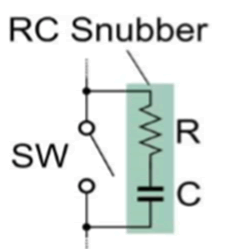
Figure 9. MOSFET with Snubber circuit.
A diode's typical purpose is to let current flow in one direction—referred to as the forward direction of the diode-while obstructing current flow in the opposite direction. Rectification is the term for this unidirectional activity that transforms alternating current into direct current. These diodes are connected to one another to stop the passage of reverse current and to an auxiliary switch to allow for switching in either direction. The voltage and current ranges of the diode IN5408 are 50 to 1000 volts and 3.0 amp, respectively.
Firing circuit
A 850 nm AlGaAS LED is optically linked to a very high speed integrated photo-detector logic gate with a storable output in the 6N137, HCPL2601, and HCPL2611 single-chaidel opt couplers. Because of its open collector, this output allows for wired OR outputs. The Figure 10 illustrates the 6N137 pin diagram.
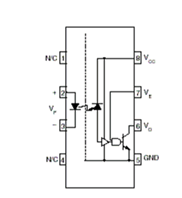
Figure 10. 6N137 pin diagram.
IR2110 MOSFET driver
In many situations, a floating circuit is required to drive a high side MOSFET. In the H Bridge used in the design of the pure sine wave inverter, two MOSFETs are employed as the high side and two MOSFETs as the low side. Both high side and low side MOSFET drivers can be employed with the International Rectifiers IR2110 MOSFET driver. To manage bootstrap operation, it has a floating circuit. Up to 500v (offset voltage) of voltage can be tolerated by IR2210 and it was illustrated in Figure 11. Up to two amps of peak current can be supplied by its output pins. It is also a driver for the IGBT. A high side MOSFET can be driven by an IR2110 floating circuit up to 500 volts.
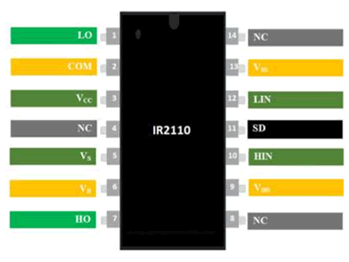
Figure 11. IR2110.
MPC offers a better controller for plants; in the example application, the plant is a DC-DC converter that needs to have several state variables under control. The plant is viewed by MPC as a finite collection of linear models. A switching state is represented by each model. Every switching state is predicted using MPC, and once the cost function has minimized the error, the state with the least amount of error is created and put into the simulation circuit. The DC-DC converter is the recommended plant in a photovoltaic system, and it only needs two state variables because of its continuous conduction operation. The below Figure 12 displays the control block of the proposed control system.
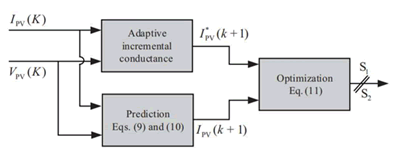
Figure 12. Control block of the proposed control system.
The last stage of MPC control is maximising possible future states and selecting the optimal value that produces the least amount of error. As seen in the figures, the MPC-MPPT approach only measures PV current and voltage. Next, an incremental conductance technique is used to obtain the reference current that yields maximum power operation. The MPC algorithm starts regulating the converter to follow the reference current. The voltage sensor is not present in the capacitor because of the voltage observer, which was covered in the preceding section. To implement a fixed step size, the perturbation step size, represented by Z in the flowchart, can be set to a fixed value. MPC-MPPT, alternatively, can be created using the following formula to be adaptive:
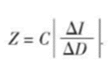
In this case, C represents the scaling factor, ΔI denote the variance among the current and previous PV current value, and ΔD denotes the difference across the constant and historical reference value at the moment (Table 1).
| S. no | Particular | Value |
| 1 | No. of MOSFET | 2 |
| 2 | MOSFET | IRF840 |
| 3 | Battery | 12V/5A – Lead |
| 4 | Input voltage | 24V |
| 5 | Input traction voltage | 48V |
| 6 | Output load voltage | 16V |
| 7 | Output battery charging voltage | 13.4V |
Table 1. Table voltage parameter.
MPC control algorithm for MPPT
The MPPT with MPC method consists of two parts. In the first part, the reference current signal (iref) required to track the maximum power point of the PV array is calculated using the MPPT method. The second part of the system applies MPC to choose the appropriate switching signal or signals for the DC-DC converter to run the PV array at its maximum power point.
The MPC algorithm makes use of predictions to identify the best possible control procedure.
The photocell voltage (vpv), current (ipv), reference current (iref), and converter output voltage (vc) are applied as inputs to the MPC module. Equation 1's prediction model is employed by the MPC block. It computes the system variable's nth state in the future.
The compensation function evaluates the change between the current reference value and the predicted value of the intermediate state, s=0' and s=1'.
Finally, the MPC controller selects the switching mode that produces the lowest cost function. The MPC-MPPT algorithm detects only the PV voltage and current. To determine the reference current that produces the maximum control, the auxiliary control method is used. In order to track the reference current, the MPC algorithm begins to regulate the converter (Figure 13).
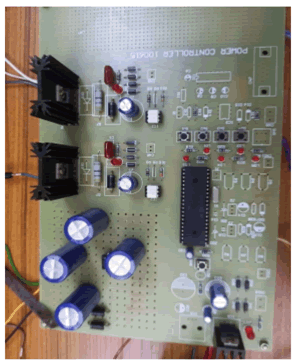
Figure 13. Hardware output.
Although more improvement is feasible, the software results show that the PI regulator can achieve constant voltage and constant current for both buck and boost modes. More time and effort will allow for the determination of better PI coefficient values and the use of a more precise current sensor to boost stability. This was outside the scope of the project due to time constraints, but enhancements can be made later. It should be noted that using Simulink for communication in continuous simulation mode will require processing resources from the Arduino, which may negatively impact test bench results. There is undoubtedly room for more program optimization. The EV battery classification and roadmap are both well explained. In applications involving Electric Vehicles (EVs), energy density, fast charging, and safety are the primary issues. Novel insights about EV batteries are offered, specifically regarding V2V and V2G functions inside wireless EV power networks. Potential options include move-and-charge and wireless power drive technologies.