

 +44 3308180992
Research Article - International Research Journal of Biotechnology ( 2025) Volume 16, Issue 1
Received: 29-Oct-2024, Manuscript No. irjob-25-151428; Editor assigned: 01-Nov-2024, Pre QC No. irjob-25-151428 (PQ); Reviewed: 15-Nov-2024, QC No. irjob-25-151428; Revised: 10-Feb-2025, Manuscript No. irjob-25-151428 (R); Published: 17-Feb-2025, DOI: 10.14303/2141-5153.2025.106
Novel COVID-19 caused by Sever Acute Respiratory Syndrome (SARS-CoV-2), was first seen at the end of 2019, in Wuhan, China. It is still causing major loss of human life and economic crisis in almost all countries around the world. Coronavirus have different families and orders. Early detection, isolation, and diagnosis of COVID-19 patients are checked early by quick, sensitive, and accurate identification techniques. Currently, a lot of research and investigations across the world are being done to discover efficient diagnostic techniques to combat the COVID-19 pandemic. Several diagnostic tests such as real-time-polymerase chain reaction, isothermal Loop-Mediated Amplification (LAMP), genome sequencing, Clustered Regularly Interspaced Short Palindromic Repeats (CRISPR) technique and microarray based assays etc. are currently available for diagnosis of COVID-19 infection. This review gives a brief overview of promising current COVID-19 diagnostic techniques used for the detection of SARS-CoV-2 and discusses their advantages and limitations with the aim of providing a reference for rapid and accurate diagnosis of COVID-19.
Biosensors, Coronavirus, CRISPR, Isothermal amplification, RT-PCR
ACE2: Angiotensin Converting Enzyme 2; CDC: Central Drug Control; cDNA: complementary Deoxyribonucleic Acid; COV: Coronavirus; CT: Computed Tomography; CRISPR: Clustered Regularly Interspaced Short Palindromic Repeats; DNA: Deoxyribonucleic Acid; gRNA: genomic Ribonucleic Acid; ICTV: International Committee on Terminology for Viral Diseases; LAMP: Loop-Mediated Isothermal Amplification; MERS: Middle East Respiratory Syndrome; ORF: Open Reading Frame; RdRp: RNA- dependent RNA polymerase protein; RNA: Ribonucleic Acid; RTC: Replicase-Transcriptase Complex; RT- PCR: Real-Time Polymerization Chain Reaction; SARS: Severe Acute Respiratory Syndrome; TRS: Transcription Regulating Sequences
In December 2019, a new kind of human Coronavirus produced by SARS-CoV-s originated from Wuhan, China (Abd El-Aziz TM et al., 2020). In short a period, the number of cases quickly increased and spread throughout China and the rest of the world (Abebe EC et al., 2020). The World Health Organization (WHO) reported the official name of the disease as “Coronavirus diseases 2019 (COVID-19)”, indicating disease as “the COVID-19 virus” once in the past known as “2019-nCoV”, or "Wuhan Coronavirus (Afzal A, 2020).
COVID-19 virus have natural and zoonotic origin (Ahn DG et al., 2020). Three novel human Coronaviruses have emerged in the last 20 years, starting with SARS-CoV in 2002, Middle East Respiratory Disease (MERS)-CoV in 2012, and SARS- CoV-2, in 2019 (Aileni M et al., 2022). Due to their higher rates of transmissibility, hospitalization, intensive care unit admission, severity of disease, mortality etc., they require more attention to diagnosis, prevention and treatment of Coronavirus diseases effective and reliable diagnostic strategies has a tremendous role to limit or completely combat the impact of COVID-19 across the globe (Ali I et al., 2020).
Since its occurrence numerous testing strategies have been developed in response to the quick evolving behavior of COVID-19 viruses, based on testing capabilities, public health resources, and epidemiology (Alpdagtas S et al., 2020). Nowadays there are certain existing diagnostic methods, which have various operating principles, prices, and sensitivities for viral detection and screening, and also regarded as the industry standard in the field of medical microbiology (Augustine R et al., 2020).
In summary, for the diagnosis of COVID-19, it is necessary to timely identify SARS-CoV-2 infection, and then monitor the functions of susceptible confirmed patients (Behera BC et al., 2021). To distinguish and identify COVID-19 pandemic, the development of rapid diagnostic techniques is also important (Bulut C et al., 2020). Therefore, the purpose of this review is to systematically assess the existing COVID 19 diagnostic methods, their diagnosis approach, sensitivity, reproducibility, accessibility or adaptability and associated drawbacks (Chau CH et al., 2020).
COVID-19 and its history
COVID-19 is a serious killer disease caused by the virus called SARS-CoV-2 (Chauhan G et al., 2020). The infection was given the name SARS-CoV-2 because of its genetic similarity to SARS-CoV, because it is the agent responsible for the flare-up of the COVID-19 infection (Chellasamy G et al., 2020). The protein spikes in the shape of clubs that can be observed on the surface of Coronaviruses under transmission electron microscopy gave rise to the term "Coronavirus". SARS-CoV-2 was discovered in Wuhan City, China, for the first time (Chen Q et al., 2020). It is contagious in humans and has quickly spread over the world via close contact with infected persons or their exhaled respiratory secretions (di Gennaro F et al., 2020). Recently discovered Coronavirus (COVID-19), which causes irresistible diseases, was named SARS-CoV-2 (COVID-19) on February 12, 2020, by the World Health Organization (Feng W et al., 2020).
Due to COVID-19, in the first fifty days of the outbreak, approximately seventy thousand people were infected and over eighteen hundred people died in Wuhan, China (Ge H et al., 2020). Chinese experts gave the novel infection the names “Wuhan Coronavirus” or “2019 novel Coronavirus “(2019-Nov) (Table 1).
| Coronavirus | SARS-CoV | MERS-CoV | SARS-CoV-2 |
| Source | Bats | Camels | Under debate |
| Identified | 2010 | 2012 | 2019 |
| Origin | Guangdong, China | Jeddah, Saudi Arabia | Wuhan, China |
| Reported countries | 29 | 27 | 211 |
| Incubation time | 4 days | 4-5 days | 4-14 days |
| Fatality | 11% | 34.30% | 9% |
| Diagnosis technique | PCR | PCR | Nucleic Acid Testing (rRT-PCR), antibody testing etc |
| Vaccines | Phase 1 trial | Phase 1 trial | In development |
Table 1. Comparison between SARS-CoV, MERS-CoV and SARS-CoV-2.
Classification of Coronavirus
Coronavirus (CoV) is a large family of positive-sense, single-stranded RNA viruses that belong to the Nidovirales order. The order includes Roniviridae, Arteriviridae, and Coronaviridae families (Grudlewska-Buda K et al., 2021). The Coronaviridae family is subdivided into Torovirinae and Coronavirinae subfamilies (Guo J et al., 2022). Coronavirinae is further sub-classified into alpha, beta, gamma, and delta-COVs. Phylogenetic clustering accounts for the classification of these subtypes of viruses. Their viral RNA genome ranges from 26 to 32 kilobases in length (Habli Z et al., 2021). They can be isolated from different animal species. These include birds, livestock, and mammals such as camels, bats, masked palm civets, mice, dogs, and cats. The widespread distribution and infectivity of COV make it an important pathogen. Gamma and delta CoVs are known to impact birds and mammals, while alpha and beta CoVs are only transmitted to warm-blooded animals and cause respiratory illness in humans.
Coronavirus gets its name from the Latin word "corona," which means "crown". It affects the upper gastrointestinal and respiratory tracts of humans and birds. This infection tends to change over time, making treatment and management difficult. Within two to fourteen days of the contamination, COVID-19 symptoms may appear.
Life cycle and structure of Coronavirus
Coronavirus variants are an enveloped, positive-sense, single-stranded RNA virus. They have various components that contribute to its pathogenesis: A Spike (S) glycoprotein, a small Envelope (E) protein, a Matrix (M) protein, and a Nucleocapsid (N) protein. The S-spike protein mediates a link and combination between the infection and the cell film between the infected and adjacent uninfected cells.
M-membrane protein, the most abundant basic protein that also characterizes the shape of the viral envelope, and E-envelope protein, the most perplexing and the smallest of the major auxiliary proteins, which is profoundly communicated inside the contaminated cell during the viral replication cycle, also give the infection a characteristic crown shape, are the main inducers for neutralizing antibodies in an immunization that shapes the peplomers and gives the infection a characteristic shape Umakanthan et al. The phosphoprotein that may be a fundamental component of the nucleocapsid is gathered by the N-nucleocapsid protein, which also creates RNA complexes that aid in infection translation. The hemagglutinin-esterase is aware of receptor officials and has individual specificity.
Coronavirus is most often transmitted by droplets while sneezing and coughing and its journey begins in the first days after infiltration from the upper respiratory tract. Its life cycle is classified into six stages: Attachment, fusion, protein expression, replication, assembly and discharge. The beginning of the relationship between the virion and host cell is signaled by an interaction between the S protein and its receptors.
The crucial factor in a Coronavirus infecting a host and controlling the tissue tropism of the virus is the interaction between the S protein and receptor. The spike proteins of SARS-CoV-2 binds to ACE2 receptors of the lung. The virion then releases RNA genome into the cell and translation of structural and non-structural proteins follows. ORF1a and ORF1ab are translated to produce pp1a and pp1ab polyproteins, which are cleaved by the proteases that are encoded by ORF1a to yield non-structural proteins. This is followed by assembly and budding into the lumen of the endoplasmic reticulum Golgi intermediate compartment. Virions are then released from the infected cell through exocytosis. Non-structural proteins; angiotensin-converting enzyme, rough endoplasmic reticulum; endoplasmic reticulum golgi intermediate compartment DNA phase is not necessary for the Coronaviruses' life cycle, which only mimics RNA genomes and subgenomic RNAs from RNA forms (Figures 1 and 2).
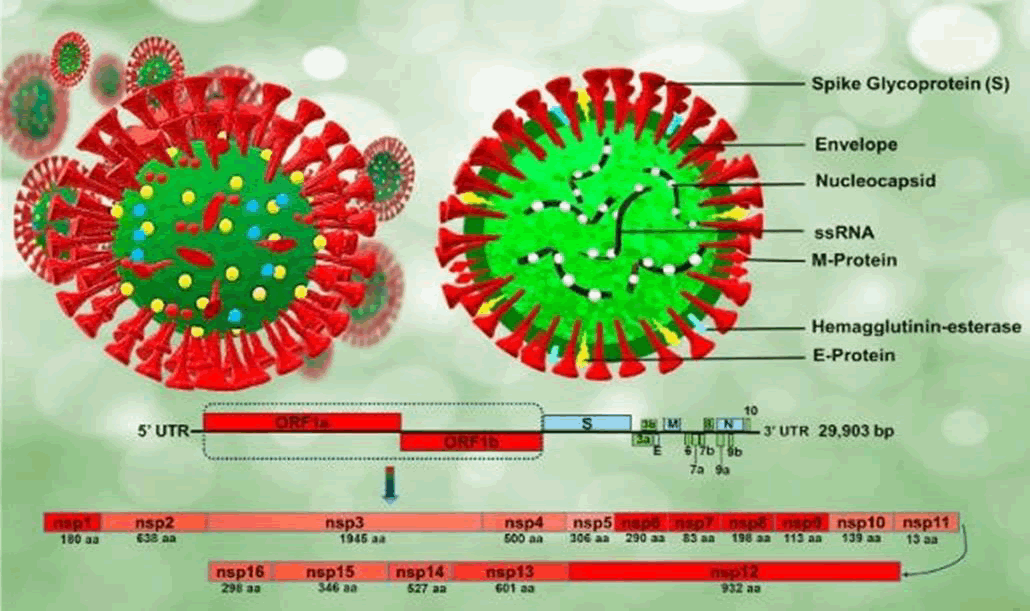
Figure 1. The morphological structure of SARS-Cov-2.
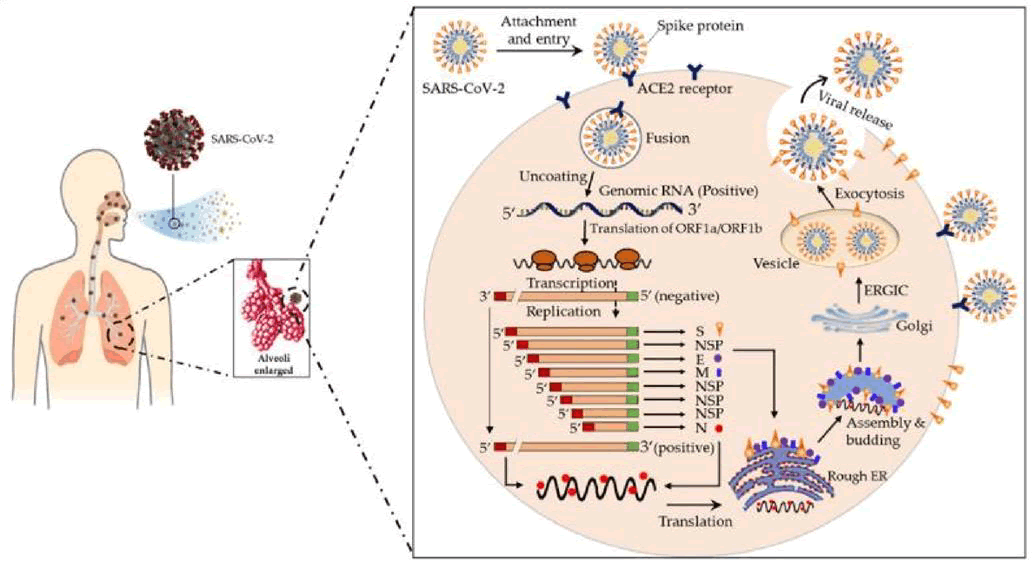
Figure 2. SARS-CoV-2 its life cycle in human lung cells.
Symptoms of COVID-19 infection
The symptoms of COVID-19 vary from person to person suffering from basic illnesses like diabetes, heart disease, lung disease, and other ailments. The most shared symptoms of COVID-19 are dry cough, tiredness, and fever. Some patients may have diarrhea, sore throat, runny nose, nasal congestion, aches, pain, and sputum (thick mucus coughed up from the respiratory tract).
Some finding also shows that people might be got infected without showing any symptoms. Individuals with medically has health problems like, diabetes, heart problems, and high blood pressure and immunology compromised is more susceptible to developing severe illness issues such as pneumonia, severe acute respiratory syndrome, obstructive pulmonary disease or cystic fibrosis, kidney failure, and death could be occurred (Figure 3).
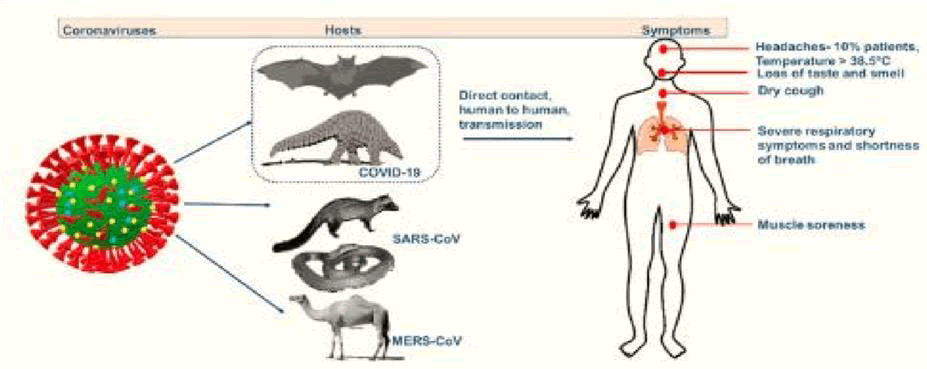
Figure 3. Schematic diagram of Coronaviruses hosts and symptoms.
Diagnosis of COVID-19
One of the most considerable difficulties is to predict prevalent outbreaks are to find COVID-19 sickness early. Early discovery helps everyone to manage the flare-up and at the same time can increase the chance of more effective and quicker treatment. Currently there is no absolute cure for COVID-19, the promise of front-line sciences like biotechnology and bioinformatics can provide possibility for the establishment of efficient diagnostic and therapeutic approaches. The rapid spread of COVID-19 has created an abrupt, massive emergency for diagnostics, leading to a severe shortage of symptomatic reagents and the materials needed to make them.
Due to COVID-19 epidemic, a majority of people worry about the diagnosis of suspected patients who exhibit symptoms like fever, respiratory symptoms, and hacks. To diagnosis COVID-19, several different methods have been investigated, including RT-PCR, biosensors, the combination of RTPCR and metagenomics discoveries, and microfluidics with a focus on SARS-CoV-2.
Molecular methods
Molecular diagnostics techniques are better suited for accurate diagnoses than syndromic testing and CT scans. Development of molecular techniques necessarily require to understand either, the pathogen's proteomic and genomic composition or the induction of variations in the expression of proteins and genes in the host during and after infection the Udugama et al. To avoid false negative results, excellent clinical sensitivity is the primary activity measure for tests, which are used to detect symptomatic or asymptomatic SARS-CoV-2 carriers.
The N, E, S, and RdRp (RNA-dependent RNA polymerase) viral features, which form the beginning of differences between demonstration units, are pointed in the diagnosis of SARS-COV-2. The quantitative location of SARS-CoV-2 nucleic corrosive can be formed quickly with high precision and affordability, but there are still challenges like excessive costs, problems, and the need of very talented specialists and prepared centers.
Understanding the proteome and genomic makeup of SARS-CoV-2 is necessary for the development of molecular diagnostic methods to identify the virus. For the diagnosis of COVID-19, nucleic acid amplification tests such as RT-PCR and reverse transcription loop-mediated isothermal amplification are currently available (RT-LAMP).
Reverse Transcription Polymerase Chain Reaction (RT-PCR): Real-time Reverse Transcriptase-Polymerase Chain Reaction (RT-qPCR) is used globally to identify SARS-CoV-2 RNA in clinical samples from patients showing COVID-19 compatible symptoms, including cough, sneezing, dyspnea, myalgia, lymphopenia, fever, fatigue, chills, dry and radiographic discoveries of pneumonia. Currently, RT-PCR is observed as the gold standard for identifying SARS CoV-2. Though the inadequate availability of the test units in various regions of the world make it extremely vulnerable to early disease diagnosis.
RT-PCR use RNA obtained from respiratory testing, such as oropharyngeal swabs, sputum, nasopharyngeal suction, profound tracheal suction, or broncho alveolar lavage. Swabbing a sample from the person's nose or throat, extracting the viral RNA from the sample and producing complementary DNA (cDNA) by reverse transcription. Specific primers that bind the viral specific cDNA strands is used to identify SARS-CoV-2.
The time-consuming and complex protocols limits the RT- PCR based diagnostic efficiency in active epidemic conditions with a fast and exponentially increasing number of cases, predominantly in populous areas of the earth. RT-PCR is incapable to identify asymptomatic patients, needs the existence of distinguishable SARS-CoV-2 in collected examinations, and the accessibility of equipment and kits are the three primary problems detection of SARS-CoV-2 (Figure 4).
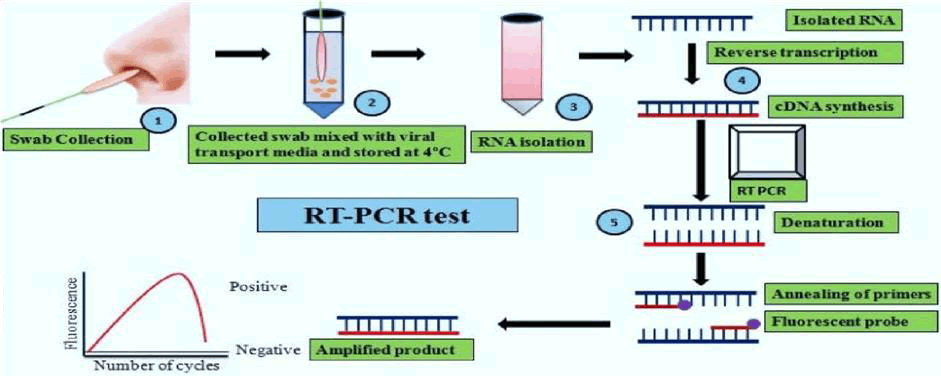
Figure 4. RP-PCR based SARS-CoV-2 detection.
Loop-Mediated Isothermal Amplification (LAMP): LAMP is a Point-of-Care (POC) device and quick intensification technology that amplifies DNA/RNA at a steady temperature of 60-65°C utilizing 4-6 primers that bind to six distinctive areas of the target genome. It is very precise, dependable, delicate, available, and fast. LAMP for SARS-CoV-2 detection avoids the high-temperature melting step in PCR and can attain 109–1010fold amplification in 15-60 min at 65°C. In 15-40 minutes, the one-step single-tube Reverse Transcription LAMP (RT-LAMP) may distinguish RNA fragments with as few as 10 copies. It uses strand displacement DNA polymerase in combination with 4-6 well designed primers to reach highly specific DNA amplification.
The LAMP method has many applications than RT-PCR, including a significantly larger production of DNA and the capacity to visually identify a positive test result without the prerequisite for additional analysis. The two techniques requested that, RT-LAMP methods had greater sensitivity than RT-PCR for discovering the ORF1ab gene (Figure 5).
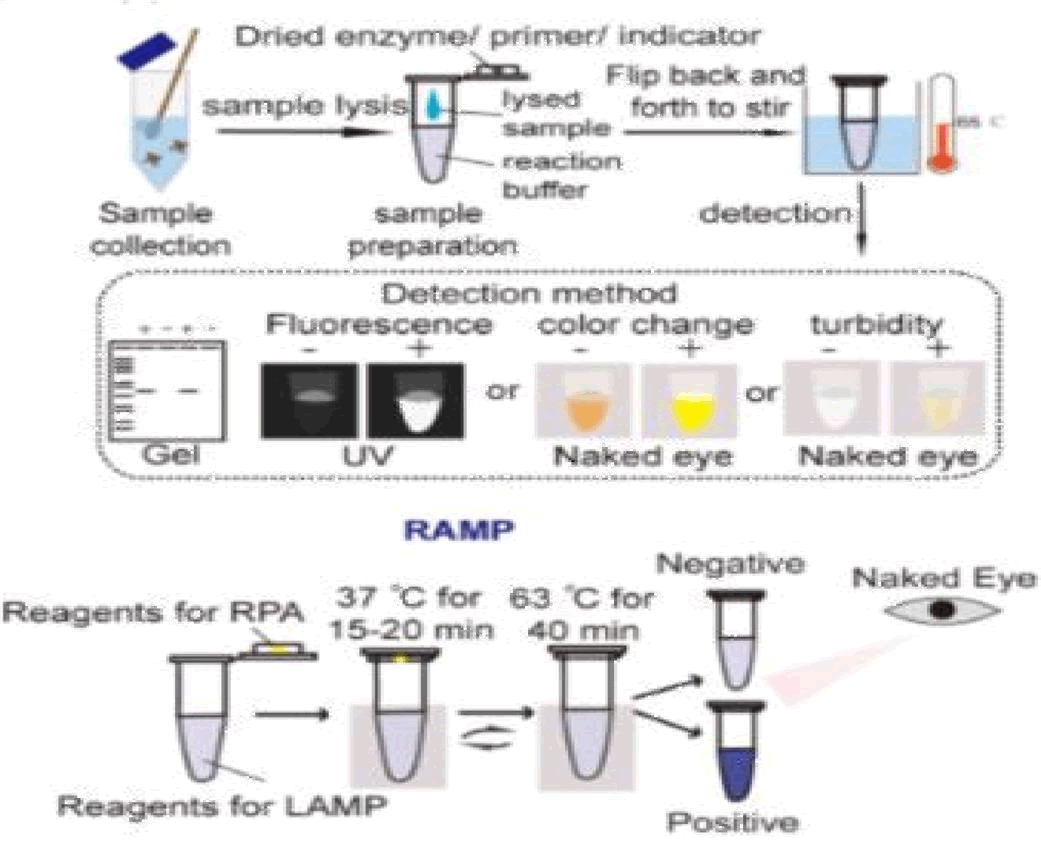
Figure 5. SARS-CoV-2RNA detection with isothermal amplification.
Transcription-Mediated Amplification (TMA): The TMA device is started when the template viral RNA combine with an exact capture probe. TMA procedures active complex of T7 promoter sequence linked primer. When the RNA molecule formed, undergoes reverse transcription they give cDNA. During the first strand of cDNA synthesis, the RNA strand of the hybrid RNA-cDNA is degraded by RNase H activity of the enzyme, while reverse transcriptase helps in the single-stranded cDNA formation. In the final step, many RNA amplicons are produced by the action of T7 RNA polymerase. TMA increases the target sequences much more proficiently compared with RT-PCR based assesses without necessitating a thermal cycler. The high degree of sensitivity can be associated with either the extraction step or amplification step or both.
CRISPR-based COVID detection assay: CRISPR (Clustered Regularly Interspaced Short Palindromic Repeats) is a method used to find a specific part of DNA inside a cell. Mammoth Biosciences established the fastest SARS-CoV-2 test detection technique, detecting 10-100 copies of viral RNA per microliter using a mixture of RT-LAMP and a CRISPR-cas12-based strategy. This test's results are available in only 40 minutes.
CRISPR belongs to a family of palindromic nucleic acid repeats, found in bacteria that can be known and cut by a distinctive set of effector enzymes known as the CRISPR-associated (Cas) proteins, show exceptionally sensitive and specific nucleic acid finding modalities as they can be automated to classify and cut SARS-CoV-2 RNA sequences.
CRISPR/Cas COVID-19 detecting assays systems are mainly simple to develop or redevelop, fast, manageable, sample tolerant, greatly accurate even for the finding of single-base variations, independent of any expensive instruments or traditional infrastructures necessary in traditional molecular laboratories, and have extremely low costs per sample.
An engineered type II CRISPR-Cas9 system contains a Cas9 endonuclease and a single guide RNA. The Cas9 endonuclease becomes active next binding with sgRNA and directed by the sgRNA to assign at a specific site of the target DNA. Following attachment, the Cas9 endonuclease cuts both the strand of the target DNA. Cas12 or Cas13endonuclease are recently programmed to target and cut SARS-CoV-2 viral RNA sequences as a replacement for of Cas9 endonuclease (Figure 6).
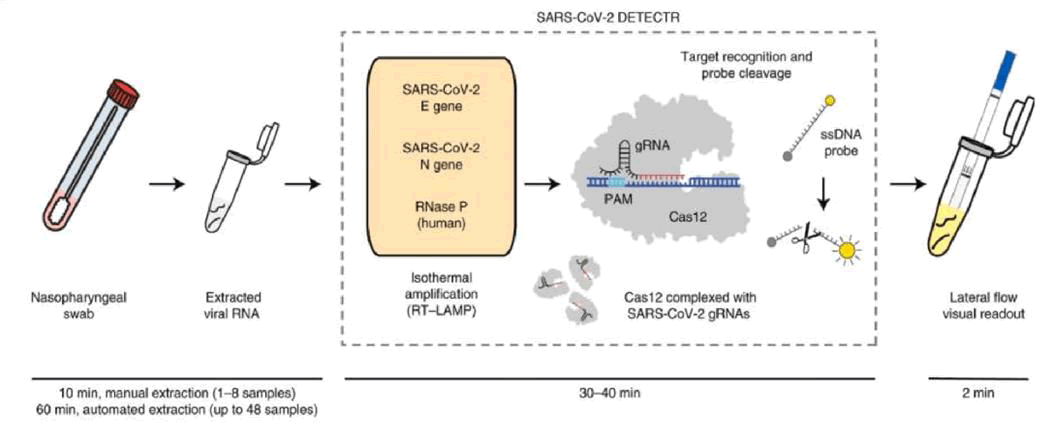
Figure 6. CRISPR–Cas12-based assay workflow for detection of SARS-CoV-2.
Microarray nucleic acid hybridization: Microarray is an appreciated method for measurable detection and genotyping the viral nucleic acid. It contains thousands of DNA oligonucleotides as probes capable of identifying different nucleic acids simultaneously exhibiting a significantly higher specificity and sensitivity in comparison with the tests targeting only one sequence.
Microarray uses viral mRNA was extracted from the nasopharyngeal swab of the patient and changed to cDNA and characterized with a specific fluorescent probe. Then labeled fluorescent probe cDNA is hybridized onto a DNA microarray to their synthetic complementary DNA probes attached to the microarray. If they hybridize strongly, then they will remain attached after washing. The fluorescent tags on bound cDNA are excited by a laser and the fluorescently labeled target SARS-CoV-2 specific nucleic acid sequences that bind to a probe generate a signal. This technique is proven to be useful for the finding of any mutations associated with SARS-CoV-2 spike gene through single nucleotide polymorphisms.
Based on the sort of matrix (solid or liquid), the size and density of the probe, the technique used for visualizing the hybridization results, and the relative costs, microarray can be categorized into typical families. Requiring a minute sample volume, numerous probes per target and, a quick reaction in 15 min which are widely used in the diagnosis of respiratory tract viral infections.
Genome sequencing: Genomic sequencing is important for its fast and whole identification of SARS-CoV-2. It is having many advantages in virus detection. Examination of the SARS-CoV-2 evolution during spread and after Coronavirus movements, sequencing can efficiently reject other pathogens, and isolate multiple pathogens existing in a single patient, which aids to implement reasonable treatments is some application of genomic sequencing in virus detection.
Serological tests
Rapid Antigen Detection Test (RADT): Unlike PCR-based techniques, Rapid Antigen-Detection (RADT) clearly recognize viral constituents without the need for thermal amplification. Approaches using immunoassays targeted at N or S proteins are under development, although with the same challenge of low sensitivity observed in influenza virus antigen tests.
To detect the antigen, first, it is very important to know the antigenic structure of SARS-CoV-2, which comprises of spikes, which are formed by the spike protein. It is a major glycoprotein that consists of two subunits S1 (contains a receptor binding domain, which is responsible for recognizing and binding with the host cell receptor, that is, (ACE2) found in the lower respiratory tract) and S2 contains other basic elements needed for membrane fusion.
RADT uses specific monoclonal antibodies to find the spike and nucleocapsid proteins of SARS-CoV-2 through antigen-antibody contact. Because of the low sensitivity and great false-negative rate, it is rarely used to diagnose COVID-19 patient and is only used an as an adjunct to other test methods. The main advantage of RADT tests is the speed of the test, they are often overwhelmed with wrong results and have lower sensitivity and specificity than nucleic acid assays. RADT for influenza (H1N1) and respiratory syncytial virus were originating to be fewer sensitive contrasted with RT-PCR.
Antibody detection test techniques: Serological tests typically identify the antibody level in the serum, which specifies the situation of infection. IgM shows an early viral infection and IgG indicates the later stages of infection. In Hubei Province, China, COVID-19 patients, asymptomatic infection, and healthy people were tested by serological methods, with correctness of about 80%, showing good specificity and sensitivity.
Enzyme-Linked immunosorbent assay, Chemiluminescence immunoassay and lateral flow immunoassay are widely used in the detection of anti-SARS-CoV-2 antibodies. However, the serological method is not appropriate for the early diagnosis of COVID-19 due to the low antibody concentration at the beginning. Besides, antibody detection is susceptible to the occurrence of interfering substances (such as rheumatoid factor and nonspecific IgM) in blood samples.
Antibody diagnosis techniques have the capacity to recognize past infection with virus who were asymptomatic, people who have cleared the virus and so no extended risk being infected or spreading the virus to others. This method is critical for evaluating the virus population spread and the level of “herd” immunity in the population. Antibody diagnosis tests are not capable of delivering quantitative results indicating the amount of the antibodies in the specimen.
Other methods
Biosensors: Biosensor diagnosis of COVID-19 relies on changing the antigen-antibody joining feedback into a quantifiable mark through optical, enzymatic, gravimetric, electrical, or other approaches to detect SARS-CoV-2. In this mechanism, graphene is functionalized with the SARS-CoV-2 spike antibody for use as a SARS-CoV-2 virus detection phase. The device has a limit of detection of 1.6 × 101 pfu ml−1 in culture medium and 2.42 × 10² copies per ml in clinical samples, respectively. Biosensors is used to detect SARS-CoV-2 viral RNA. The newly developed biosensor integrates the plasmatic photo thermal consequence and Plasmon resonance discovery transduction. Validity and selectivity were controlled by using the SARS-CoV-2 RdRp and ORF1ab sequences as marks. There are different types of biosensors used to detect SARS-CoV-2 namely, colorimetric, fluorescence based, localized surface plasmon resonance, electrochemical surface-enhanced Raman scattering and other platforms.
CT imaging: Computed Tomography imaging (CT imaging) is a kind of noninvasive medical imaging technique for diagnostics based on radiology. COVID-19 patients often have pulmonary inflammation. Chest CT examination can observe the imaging features of COVID-19 patients with multiple ground-glass opacity in both lungs, which have the advantages of being short time-consuming and high resolution. It is an imaging technology with great correctness and quickness. The sensitivity to detect SARS-CoV-2 using chest CT is to be superior to that of (rRT-PCR). Recent evidence shows that asymptomatic patients with COVID-19 may show paradigmatic CT before being positive with rRT-PCR. COVID-19 is currently diagnosed with CT scans, but the technique has its own drawbacks like it is expensive and requires technical expertise (Table 2).
| Technology | Diagnostic type | Sample | Point of care/laboratory | Advantages | Disadvantages |
| RT-PCR | Viral RNA | Nasopharyngeal swab, sputum, stool | Laboratory-based | Specific detection, time-saving | False negative results, detects only at certain viral loads |
| RT-LAMP | Viral RNA | Nasopharyngeal swab, sputum, stool | Laboratory-based/point of care | Sensitive and specific, results in less time, visualization possible by eye, no thermocycler needed | Cumbersome to optimize primers and reaction conditions |
| CRISPR | Viral RNA | Nasopharyngeal swab, bronchoalveolar lavage fluid | Laboratory-based | Easy-to-perform, low cost, STOP-COVID test does not require RNA extraction | Sometimes gives false results |
| Microarray | Viral RNA | Nasopharyngeal swab, bronchoalveolar lavage fluid | Laboratory-based | Can detect mutations and SNPs in spike gene of SARS-CoV-2 | High cost, low specificity, complex probe design, lacks control over analyzed transcript pool |
| CT Scan | Lung imaging | Chest | Point of care | High sensitivity (86-98%), lower false negatives than RT-PCR | Low specificity (25%), overlap with other viral pneumonias |
| Biosensor | S protein of SARS-CoV-2 | Nasopharyngeal swab, sputum, stool | Point of care | Quick detection, no pretreatment needed, cost-effective | Limited information provided |
| Serology | Antibody/antigen | Blood | Laboratory-based/point of care | Less complex than molecular tests | May cross-react with other pathogens, false negatives in early infection due to low antigen levels |
Table 2. Different diagnostic techniques for detection of COVID-19 adopted from Behera et al.
COVID-19 has caused a serious global health concern due to its rapid spread, high morbidity, and economic challenge in the health sector across numerous countries. The development of diagnostic methods for COVID-19 made it possible for doctors and epidemiologists to identify the disease and stop it from spreading further. Based on the knowledge gained during the SARS 2002 and MARS pandemics, many COVID-19 diagnosis techniques have been developed and recovered. Rapid laboratory diagnosis of SARS-CoV-2 infection is important for identification of the disease, managing patient care, improving surveillance, and preventing nosocomial transmission. Genome sequencing, RT-PCR tests, isothermal RT LAM amplification, CRISPR technology, microarray test, antigen detection test, biosensor, nano-techniques, etc. have been developed and can be rapidly implemented in an outbreak situation. However, development of new test is still needed which should be robust and conductible in the field as well as at local POC centers, without the requirement of specialized equipment and highly trained professionals to interpret results. Current methods of diagnosis of the novel Coronavirus mostly rely on identification of particular genetic sequences or antibodies but new assays are required urgently for instant detection of the infection as well as to meet the growing demand for rapid detection. In the future, diagnostic research of 2019â??nCoV infections will speed up sample preparation, increase detection throughput and accuracy, improve detection automation level and develop novel technologies with low requirements and low costs for equipment and testing personnel. Due to antibody preparation requiring additional time, faster breakthroughs are expected in pathogen nucleic acid detection technology.
I would like to express my sincere and special gratitude to my supervisor Professor Nega Berhane (PhD), who always encourage and gave me lots of guidance, advice, and constructive idea in seminar writing.
I am thankful to Adigrat University for giving me a scholarship and sponsoring my study. I am also grateful to acknowledge the University of Gondar, Institute of Biotechnology, and Medical Biotechnology that creates good environmental conditions to attend my MSc program in Medical Biotechnology.
[Crossref] [Google Scholar] [PubMed]
[Crossref] [Google Scholar] [PubMed]
[Crossref] [Google Scholar] [PubMed]
[Crossref] [Google Scholar] [PubMed]
[Crossref] [Google Scholar] [PubMed]
[Crossref] [Google Scholar] [PubMed]
[Crossref] [Google Scholar] [PubMed]
[Crossref] [Google Scholar] [PubMed]
[Crossref] [Google Scholar] [PubMed]
[Crossref] [Google Scholar] [PubMed]
[Crossref] [Google Scholar] [PubMed]
[Crossref] [Google Scholar] [PubMed]
[Crossref] [Google Scholar] [PubMed]
[Crossref] [Google Scholar] [PubMed]
[Crossref] [Google Scholar] [PubMed]
[Crossref] [Google Scholar] [PubMed]
[Crossref] [Google Scholar] [PubMed]
[Crossref] [Google Scholar] [PubMed]
[Crossref] [Google Scholar] [PubMed]
[Crossref] [Google Scholar] [PubMed]