

 +44 3308180992
Research Article - International Research Journal of Basic and Clinical Studies ( 2025) Volume 10, Issue 1
Received: 10-Jul-2024, Manuscript No. irjbcs-25-141247; Editor assigned: 12-Jul-2024, Pre QC No. irjbcs-25-141247 (PQ); Reviewed: 26-Jul-2024, QC No. irjbcs-25-141247; Revised: 02-Jan-2025, Manuscript No. irjbcs-25-141247 (R); Published: 09-Jan-2025, DOI: 10.14303/irjbcs.2025.46
The development of biosimilars signifies a pivotal advancement in biologic treatments, driven by the expiration of patents on original biologics and the need for more cost-effective options. Biosimilars undergo rigorous development processes to ensure they closely resemble their reference biologics in terms of safety, purity and potency, despite the complex nature of biologic production preventing them from being identical. This review delves into the thorough analytical, preclinical and clinical evaluations necessary for biosimilar approval, emphasizing the importance of comprehensive comparability studies. It addresses significant challenges such as manufacturing complexities, immunogenicity, post-marketing surveillance and interchangeability issues. Despite these challenges, biosimilars offer significant cost savings and improved patient access to biologic therapies. Taking a multidisciplinary approach, this article provides guidance on the clinical use of biosimilars, emphasizing their potential to sustain healthcare systems while upholding patient safety and treatment efficacy.
Biosimilars, Biologic treatment, Patent expiration, Safety, Potency, Development process, Clinical evaluations, Cost saving
Definition
Over the past 30 years, the pharmaceutical industry has seen significant growth and advancement in biologic agents. According to the National Cancer Institute, biologic drugs are defined as substances made from living organisms or their products, used in the prevention, diagnosis or treatment of cancer and other diseases. Biologics, such as hormones, cytokines, monoclonal antibodies (mAb) and fusion proteins, are proteins produced through recombinant DNA technology within living cells (Baldo BA et al., 2021). The production of biologics involves a sophisticated sequence of steps customized for each agent by the manufacturer. Despite relatively fewer prescriptions compared to small-molecule medications, the development and production of biologics are associated with substantial costs, with annual treatment costs ranging from $15,000 to $150,000 per patient. Biologics constitute approximately 16% of global pharmaceutical sales (Cun D et al., 2021).
The rising costs of biologics worldwide have spurred the need for the development of biosimilars (Welch AR, 2018). Developing and manufacturing biologics is considerably more challenging and costlier compared to small-molecule drugs. Recent regulatory changes and market dynamics have fuelled growing interest in a new category of biologic drug: The biosimilar (Joshi D et al., 2022). A biosimilar is a biological product approved based on comprehensive evidence showing its high similarity to an approved biological product (originator). This similarity encompasses structure, function, quality and clinical efficacy and safety (Patel D et al., 2017). According to the EMA a biosimilar must demonstrate similarity to the originator in terms of quality characteristics, biological activity, safety and efficacy through a thorough comparability exercise’.
Biosimilars are developed using established scientific principles that have been widely applied by both the pharmaceutical industry and regulatory bodies (Declerck P et al., 2017). Manufacturing processes for biologics frequently undergo modifications for various reasons, such as scaling up production, enhancing efficiency or updating or replacing equipment for modernization purposes (Fisher AC et al., 2019). Regulators introduced the comparability concept to enable manufacturing changes without requiring companies to initiate a new clinical development program (Schiestl M et al., 2017). This concept assesses whether products before and after changes are adequately similar to continue marketing under the same product label (Khraishi M et al., 2016).
Despite gaining regulatory acceptance, biosimilars still lack widespread recognition among treating physicians. Therefore, this article aims to review the biosimilar development process and provide multidisciplinary guidance on their use in clinical practice (de Mora F, 2015).
Origins and advancements in biologic therapies
The term 'similar biological medicinal product' was introduced by the European Commission (EC) and first officially used in a 2001 Directive, later abbreviated to 'biosimilar' in a comprehensive guideline issued by the European Medicines Agency (EMA) in 2005. This term was subsequently adopted by the US Food and Drug Administration (FDA) and has gained increasing recognition among healthcare professionals.
The European Union (EU) has licensed several biosimilars, such as somatotropins, filgrastims and epoetins, under an approval pathway implemented since 2005 specifically for biosimilars. In 2010, the Biologics Price Competition and Innovation (BPCI) Act was enacted, establishing the 351(k)-approval pathway for biosimilars. According to regulatory bodies like the EMA, FDA and WHO, a biosimilar must be "highly similar to the reference product, notwithstanding minor differences in clinically inactive components". Additionally, it is required that there be "no clinically meaningful differences between the biological product and the reference product in terms of safety, purity and potency." These definitions emphasize the need for rigorous comparability exercises to demonstrate similarity across physicochemical, functional and clinical characteristics, ensuring that biosimilars meet stringent standards.
The 351(k) pathway is an abbreviated approval pathway compared to the 351(a) pathways for biologics, biosimilars require less time and money to develop. Importantly, biosimilars are projected to save approximately $44 billion from 2014 to 2024 in the United States. The Congressional Budget Office anticipates cost savings to the federal government of $25 billion by 2018.
Despite these advantages, some developed countries have struggled to address the rising costs of healthcare due to technological advancements, public expectations and notably, the rapidly growing size of their elderly populations. Moreover, in various developing countries, populations continue to live below the poverty line, facing dysfunctional healthcare systems and extremely limited access to basic medical care.
The biosimilars market is experiencing exponential growth, with the industry projected to reach a value of $25 billion by 2020. Therefore, biosimilars are equally significant for both developed and developing countries.
The rigorous pathway to biosimilar development
Scientific basis: The development pathway for biosimilar drugs diverges significantly from that of originator drugs. Clinical programs for biosimilar candidates are streamlined, relying heavily on clinical data from the originator biologic. Typically, these programs involve a single Phase I PK/PD bridging study in healthy volunteers and a Phase III confirmatory study assessing efficacy and safety in patients with the most responsive indication, often incorporating treatment group switches.
The primary goal of these studies is to demonstrate equivalence between the biosimilar and its originator counterpart, requiring a robust justification for chosen equivalence margins. In generic studies, demonstrating bioequivalence typically involves a 90% confidence interval within equivalence margins of 80%-125%, assuming similar behaviour upon absorption. Biosimilars, however, may require different confidence intervals to demonstrate similarity in exposure across absorption and elimination phases. In the case of biosimilarity, demonstrating similarity in exposure may require a different confidence interval, which must be discussed and justified accordingly. For generics, the emphasis is on comparing the absorption of the test and reference products. In contrast, for biosimilars, the focus extends to assessing potential differences in both the absorption and elimination phases.
Biosimilar studies do not aim to demonstrate superiority. Phase III comparative trials for biosimilars typically employ an equivalence design at the 90% or 95% confidence interval. This approach, often preferred over a non-inferiority design, establishes that the biosimilar is neither superior nor inferior to the reference product. Dose-ranging studies are typically not conducted in biosimilar development, once biosimilarity has been demonstrated and extrapolation scientifically justified, a biosimilar candidate will be approved for the specific approved dose(s) of the originator product. Moreover, in cases where manufacturing changes occur during the development of a biosimilar candidate, bridging studies between formulations are necessary to establish their equivalence. This requirement mirrors that of biological originator manufacturers in similar situations, ensuring the preservation of function given the inherent biological variability of biologics.
Analytical studies in biosimilar development
The development pathway for an originator biologic involves extensive clinical evaluations primarily aimed at establishing its superiority in terms of efficacy compared to placebo or other agents, as well as ensuring an adequate safety profile.
On the contrary, the biosimilar development pathway centers on establishing similarity to the reference product regarding quality, safety and efficacy. This process follows a systematic approach, which includes sequential analytical, nonclinical and clinical studies, rather than aiming to verify safety and efficacy outright from the outset.
According to this model, biosimilarity is evaluated through a scientifically tailored approach, with approval based on the "totality of the evidence." This comprehensive assessment includes analytical (structural and functional) studies, animal toxicity tests, Pharmacokinetic (PK) and Pharmacodynamic (PD) evaluations, immunogenicity assessments and clinical safety and effectiveness studies.
Various regulatory agencies globally evaluate biosimilarity by conducting comprehensive assessments of all submitted data from the biosimilar developer. Consequently, a biosimilar may be deemed similar to a reference product despite minor analytical differences, provided sufficient scientific data and justification demonstrate that these differences lack clinical significance.
Throughout the development of biosimilars, the nature and potential impact of residual uncertainty are continuously assessed and managed. In certain instances, this evaluation may indicate the need for additional studies to address any concerns.
Preclinical and clinical evaluation
The goal of biosimilar development is to produce a biologic that exhibits "high similarity" to the reference biologic product, showing no clinically significant differences in terms of "safety, purity and potency.
The term 'preclinical' as used here covers a variety of studies, including comprehensive analytical characterization, structural and in vitro functional assessments, investigations into Mechanisms of Action (MOA) and any Pharmacokinetic (PK), Pharmacodynamic (PD), safety and immunogenicity assessments conducted in animals before the initial clinical evaluations in humans.
According to the EMA, the goals of clinical evaluation are to address minor differences that may have emerged in earlier stages of the development process and to verify comparable clinical performance between the biosimilar and reference products.
In demonstrating comparability, the generally accepted approach is therapeutic equivalence, where a pre-specified clinically accepted margin, approved by the EMA, is used to determine whether differences exist between biosimilar and reference groups.
Clinical studies primarily serve a confirmatory role, concentrating on immunogenicity, Pharmacokinetic (PK) equivalence and therapeutic equivalence in a sensitive (previously approved) indication. These aspects are generally difficult to assess effectively through nonclinical studies.
In summary, biosimilar development entails a rigorous scientific approach, spanning from preclinical assessment through clinical validation, aimed at ensuring robust similarity to the reference biologic product in terms of safety, purity and potency (Figure 1).
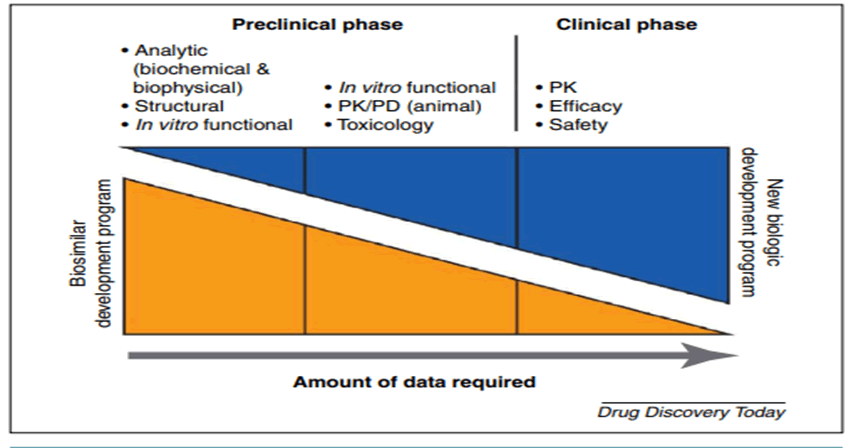
Figure 1. New biologic versus biosimilar drug development.
Regulatory framework
Despite variations in definitions, guidelines and evaluation requirements among different regions, the fundamental principles governing regulatory regulations are remarkably similar. The global development of biosimilars can be described as a dynamically evolving landscape.
In 2005, the EMA became the first regulatory agency to establish a pathway for the development of biosimilars. Since then, the WHO and numerous countries have also developed guidelines for biosimilars. The following sections provide a brief overview of the evolution of these regulations and the current regulatory landscape.
EMA regulations
The European Union (EU) established regulatory requirements for biosimilars in 2005, with the EMA pioneering their authorization for marketing. The EMA has granted approval for biosimilars of several biologics, including somatropin in 2006, erythropoietin in 2007, filgrastim in 2008 and the first biosimilar monoclonal antibody in 2013. As of October 23, 2015, the EMA had granted licenses for 19 biosimilars. The EU's regulatory framework for biosimilars has evolved, integrating updated guidelines covering quality, nonclinical and clinical aspects, including the assessment of immunogenicity. To minimize unnecessary trials, the EMA now permits certain studies using reference products not authorized in the European Economic Area (EEA). Regulations regarding interchangeability and substitution are managed at the national level. Extrapolation of indications necessitates scientific justification grounded in the totality of evidence. Safety is paramount, requiring post-marketing surveillance and a comprehensive risk management plan.
WHO regulations
An important milestone in the harmonization of biosimilar evaluation and regulation occurred in 2009, with the WHO publishing its "Guideline on evaluation of similar biotherapeutic products." This guideline generally aligns with the EMA's scientific principles and requirements, emphasizing a stepwise comparability exercise approach. This approach begins with the characterization of quality attributes as the foundation, followed by nonclinical and clinical evaluations.
Similar to the EMA guidelines, the amount of nonclinical and clinical data required is determined by the product class and assessed on a case-by-case basis. The WHO aimed to establish globally accepted principles for licensing biosimilars, ensuring they meet standards of quality, safety and efficacy based on a streamlined clinical data package.
FDA regulations
Biosimilars cannot be equated with generics. Therefore, the existing regulatory framework for generic drugs in the United States, established under the Hatch-Waxman Act (Public Law 98-417) of 1984, is not suitable for evaluating and licensing these products. Therefore, to promote biosimilar development, the PPAC Act of 2010 introduced an abbreviated approval pathway specifically for large biopharmaceuticals. This pathway, detailed below, was established to facilitate the approval process for these complex biologics. Before the enactment of the PPAC Act, the evaluation system for generic drugs, including natural source products and recombinant proteins, was governed by the Hatch-Waxman Act. This Act amended the Food, Drug, and Cosmetic (FD&C) Act to introduce an abbreviated pathway, section 505(b)(2), for the approval of generics. This abbreviated pathway allows for reliance, in part, on available knowledge about the safety and effectiveness of the already approved product, eliminating the need for replication of some preclinical and clinical studies. Several simple proteins, such as natural bovine testicular and recombinant human hyaluronidase, recombinant salmon calcitonin, recombinant human glucagon, as well as the larger recombinant human somatropin, were approved by the FDA as generic drugs under section 505(b)(2) of the FD&C Act.
India regulation
India and China are major contributors to the global biogeneric market. In 2012, India issued the Similar Biologics Guidelines through the Central Drugs Standard Control Organization (CDSCO) and the Department of Biotechnology. The guidelines are governed by the Drug and Cosmetics Act of 1945 and various rules pertaining to hazardous microorganisms/genetically engineered organisms or cells, established in 1989. These regulations oversee the manufacture, use, import, export, and storage of similar biologics (Figures 2 and 3) (Table 1).
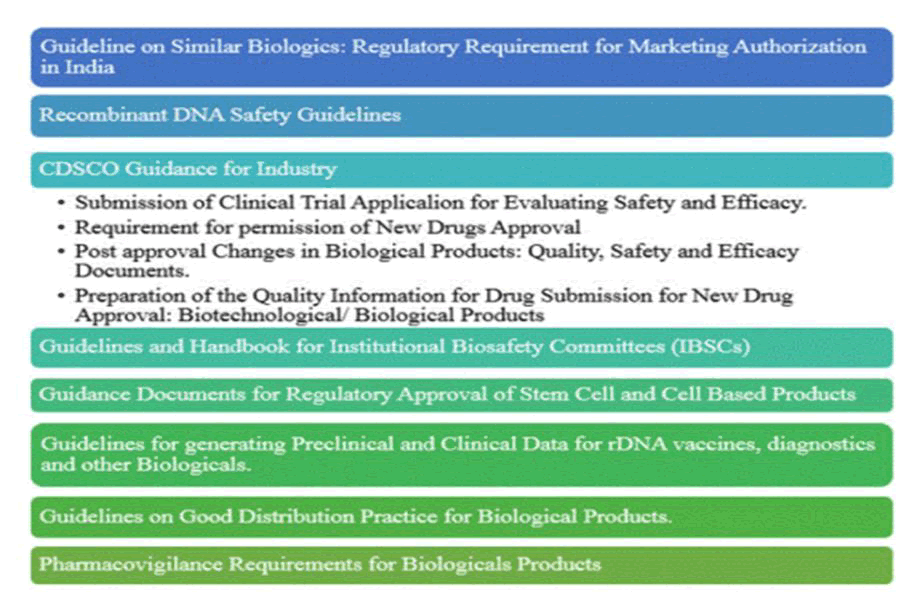
Figure 2. Various guideline for biosimilar in India.
| Authors | Overview of study | Objective |
Outcomes |
Concerns and gaps |
Limitations |
| Aladul et al. | Methods: 30 min face-to-face, semi structured interviews; Sample size: n=22; Sample: Consultants, nurses, pharmacists; Profile: Gastroenterology, rheumatology, diabetology |
To explore the views of healthcare professionals regarding biosimilar versions of infliximab, etanercept, and insulin glargine, including the factors that may hinder or promote their prescription |
High level of familiarity, inclined to start newly diagnosed patients on biosimilars, opposed to automatic substitution of biosimilars at pharmacies, and opposed to multiple switching for cost considerations |
Concerns about safety and efficacy (including interchangeability and extrapolation), variation in excipients, differences in administration devices, and limited availability of all dosage strengths of biosimilars |
Limited sample size, diversity across specialties and organizational backgrounds, and participation limited to four pharmacists in this interview |
| Giuliani et al. | Methods: A 19-question survey; Sample size: Europe (n=321), Asia (n=84), US (n=55), Africa (n=13), Australia (n=7); Sample: Prescribers; Profile: oncology |
To evaluate prescribers' current knowledge, understanding, and confidence in using biosimilars |
Most prescribers (79.2%) rate their general knowledge of biosimilars as average to high. 74.6% of prescribers were able to identify the most appropriate definition of biosimilars. 57.4% feel comfortable using an EMA-approved biosimilar. Only 62.3% understand extrapolation. 36.3% were able to identify the concept of interchangeability |
Safety concerns (interchangeability) |
No hypothesis was tested, only participants of the ESMO (European Society for Medical Oncology) were included and not all responded completely |
| HernÃÂ?¡ndez et al. | Methods: Short survey comprising six questions. Sample size: n=104. Sample: clinicians; Profile: rheumatology |
To determine awareness of biosimilars, including prescribing practices, nomenclature, automatic substitution and ADR reporting |
Lack of awareness considering availability of biosimilars, automatic substitution and nomenclature |
Not applicable |
Not sufficient data considering methodology |
| Leonard et al. | Methods: Systematic review; Sample size: US (n=3) and EU (n=17); Sample: Clinicians, pharmacists, specialty physicians, nurses. Profile: Rheumatology, dermatology, gastroenterology, diabetology |
To evaluate current U.S. and European health care provider knowledge, perceptions, and prescribing behaviors of biosimilar medicines, to assess the need for clinician-directed biosimilar education |
Overall lack of biosimilar knowledge and awareness, biosimilars mostly used in initiative treatment |
Safety and efficacy concerns, immunogenicity (interchangeability, extrapolation) |
Potential for biased interpretation of results. Limitations from the included individual studies |
| Greene et al. | Methods: Survey comprising 16 strategies for overcoming barriers on 5-point scale; Sample size: n=300; Sample: Managed care and specialty pharmacists |
To assess perceptions regarding strategies for overcoming barriers to biosimilar adoption among managed care and specialty pharmacy professionals |
84% of respondents agreed or strongly agreed that FDA-approved biosimilars are safe and effective for patients who switch from a reference biologic. 54% agreed or strongly agreed with extrapolation |
(61%) Safety and efficacy concerns (interchangeability, extrapolation) |
First 300 respondents were selected for analysis; potential for biased evaluation |
| Teeple et al. | Methods: 15-min online survey; Sample size: n=297; Sample: Clinicians; Profile: Rheumatology, dermatology and gastroenterology |
To understand the level of familiarity of clinicians with biosimilars, their experience with non-medical switching (switching medications for reasons unrelated to patient health) of patients between biologics and their attitudes towards switching from a biologic to a biosimilar” |
88% of respondents knew the definitions of biosimilar, 84% of respondents did not agree to switch stable patients from biosimilars to originators. Only 17% of respondents would feel confident with substitution of biosimilars at pharmacy level. 50% are comfortable with extrapolation |
Concerns about interchangeability, safety and efficacy, immunogenicity, patient mental health, physician office management |
Clinicians were recruited before survey; the outcomes cannot reflect the opinion of clinicians who were not recruited |
| Pawlowska et al. | Method: A paper-based, self-administered questionnaire comprising 12 short questions; Sample size: n=61; Sample: Hospital pharmacists |
To identify hospital pharmacist opinions towards biosimilars and investigate their usage in practice |
68% of respondents believed that biosimilars should be used in the initiation of therapy, 75% of respondents did not agree with the substitution of biosimilars at pharmacy level |
88% of respondents were concerned that biosimilars were not identical with originators, 48% with their immunogenicity and 44% with other pharmacokinetic properties |
The response rate was 22.5% and the results may not be representative of all hospital pharmacists in Poland |
| Cook et al. | Method: A 12-question survey; Sample size: n=77; Sample: Physicians, pharmacists, advanced practice providers; Profile: Oncology |
To investigate oncology clinicians’ understanding of biosimilars and what information they need prior to adoption |
74% of respondents didn’t know the basic definition of biosimilars; 40.3% considered biosimilars and generics as same entities. 94.8% of respondents would use an interchangeable biosimilar if it had FDA approval for interchangeability |
Knowledge gaps and the need for education regarding biosimilars is high |
Conducted at a single academic institution |
| Sarnola et al. | Method: Systematic review; Sample size: n=23 studies; Sample: Europe (n=16); North America (n = 4); Australia (n = 1), New Zealand (n = 1) Central and South America (n = 1); Sample: Clinicians; Profile: Nephrology, rheumatology, dermatology, neurology, endocrinology, and oncology, gastroenterology |
To examine physicians’ perceptions of the uptake of biosimilars |
Physicians’ knowledge and attitudes towards biosimilars vary between studies. 49%-76% were familiar with biosimilars while 2%-25% did not know what biosimilars were. 64%-95% of physicians were against substitution of biosimilars at the pharmacy level |
Safety and efficacy concerns (interchangeability, extrapolation, immunogenicity) |
The data extraction from studies was done by only one researcher |
Table 1. Literature overview.
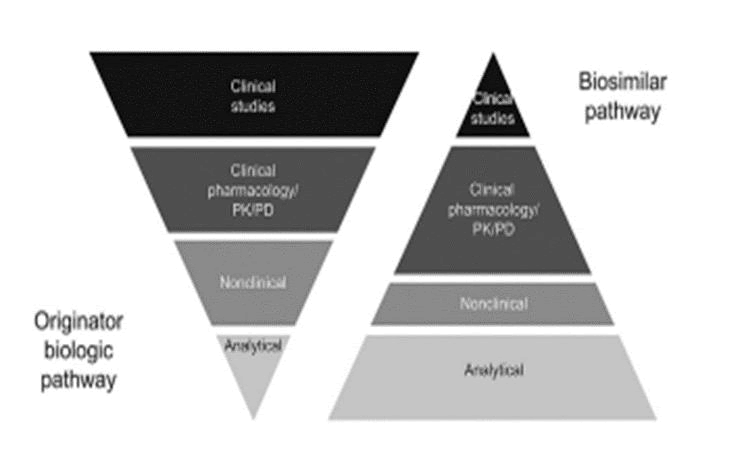
Figure 3. Biologics and biosimilars: Development process.
Challenges faced by the biosimilars
Manufacturing process: Biologics are typically drugs sourced from organic materials or extracted from living organisms, including yeast, bacteria and mammalian cell lines. Typically, specific genetically modified vectors are employed to produce the final product through a series of steps. These steps involve selecting the appropriate genetic sequence, choosing a vector, utilizing suitable cell expression systems and implementing quality control and purification processes. All these factors can significantly impact the structure of the biological product. Additionally, even fundamental parameters such as pH, temperature or the methods employed for storage and packaging can influence the final structure of the end-product. For instance, the glycosylation pattern of Granulocyte-Colony Stimulating Factor (G-CSF) and interferon-γ may vary across different expression systems. Another example is Erythropoietin (EPO), a molecule that has raised immunogenicity concerns in some cases due to minor changes in the manufacturing process of the final product. It's important to note that this safety issue pertains to the originator of the product. Therefore, minor alterations in the manufacturing process can alter the product's characteristics, potentially leading to significant impacts on clinical outcomes.
Generally, it is advisable not to introduce changes to the manufacturing process of biosimilars compared to their reference product counterpart. However, changes can be somewhat inevitable because biosimilar manufacturers do not have access to the manufacturing data of the reference product, which remains the property of the innovator manufacturer even after patent expiry. Additionally, modifications may also aim to enhance the quality, efficiency and reliability of the manufacturing process or the end-product itself. Such changes can introduce structural differences that may impact efficacy and potentially lead to adverse effects, such as immunogenicity. In such instances, additional non-clinical and clinical evaluations may be necessary to assess the product, depending on the extent of the modifications implemented.
Extrapolation of different indications
Extrapolation across indications is the concept whereby clinical data generated for a biological drug in one therapeutic indication can be applied or extended to support its use in other indications, considering the overall information gained from the comparability exercise is crucial for assessing the drug's efficacy and safety. In the context of biosimilars, extrapolation from one indication to another may be justified if comprehensive comparability studies, including efficacy, safety and immunogenicity assessments, confirm similarity to the reference product and are sensitive enough to detect clinically relevant differences. This justification is particularly sound when the active substance's mechanism of action and the target receptor(s) remain consistent across different therapeutic contexts. In Europe, this concept has been effectively implemented with biosimilars of EPO, filgrastim and infliximab.
Immunogenicity
The primary safety concern with biosimilars is their potential to induce immune responses. Especially when administered repeatedly over extended periods, immunogenicity remains a significant concern for biotechnological drugs, including both reference products and biosimilars. Erythropoietin (EPO) is often cited as an example in discussions on this topic. In such scenarios, the emergence of naturally occurring anti-EPO antibodies in patients' immune systems can lead to a rare condition known as antibody-mediated Pure Red Cell Aplasia (PRCA). This condition typically affects individuals with anemia due to chronic kidney disease who are undergoing EPO treatment. Cases of PRCA were linked to a breakdown in immune tolerance to rhEPO treatment, especially with subcutaneous administration, leading to the formation of neutralizing antibodies against both recombinant and endogenous EPO. However, it should be emphasized that besides the biotechnological product itself, other factors can potentially contribute to immunogenicity. These include variations in glycosylation patterns, denaturation or aggregation, presence of impurities in the solution, dosage, route of administration, duration of treatment, and genetic characteristics of patients. Therefore, it is crucial to thoroughly investigate the immunogenicity of a biosimilar.
Post-marketing surveillance Pharmacovigilance
Although drugs are marketed only after meeting regulatory requirements for quality, efficacy and safety, long-term consumption data from a large population, along with new findings and advancements in pharmaceuticals, can uncover adverse effects not observed during initial development. While this holds true as a general concept, specifically for biosimilars, manufacturers must implement extensive post-market surveillance. This is crucial for monitoring immunogenic phenomena and assessing efficacy across various disease. The biosimilar guidelines stipulate that the pharmacovigilance plan must be included in the data submitted for the registration of a biosimilar.
Interchangeability issues
Establishing interchangeability is a crucial step toward achieving full acceptance of biosimilars. Products approved for the same indication can be considered interchangeable and used accordingly. This should not be confused with the term "substitutable," which refers to a product that can be used instead of another for the same therapeutic treatment. Generic drugs are typically considered therapeutically equivalent to their reference products. In such cases, substitution is allowed. As previously emphasized, biotechnological drugs differ from chemical drugs and it is challenging for two biologic drugs to be identical.
There is a widespread consensus among the scientific, regulatory and industry communities that biotechnological drugs carry unique risks when switched without the involvement of the prescribing physician. Therefore, they should not be substituted without a prescription. Hence, factors such as immunogenicity, efficacy, safety and clearance may limit Regulatory Authorities from approving biosimilars as interchangeable. In the US, only biological drugs are formally allowed to receive an interchangeable designation. However, the European Medicines Agency (EMA) suggests that each nation should manage biosimilar interchangeability independently, while Health Canada leaves this decision to the discretion of physicians. Indeed, several studies have demonstrated that switching between various forms of Erythropoietin (EPO) is safe and does not result in an increase in adverse events. However, comprehensive pharmacovigilance studies, risk management plans and heightened awareness among patients and physicians regarding the nature of biosimilars and their manufacturing processes are essential. These efforts are necessary to gather robust real-world evidence demonstrating comparability between a biosimilar and its reference product.
Nomenclature
For the past five to six decades, biological products have been globally recognized by unique names assigned through the International Non-proprietary Names (INN) system. These names typically reflect the structure or function of the product and they include product-specific letter groups known as stems, which aid health professionals in identifying the compound easily. For instance, the stem "-poietin" is used for EPO molecules, while "-actide" is used for synthetic polypeptides with corticotrophin-like actions.
However, as protein structures become more complex and manufacturing processes vary, these molecules can differ structurally, biologically or immunologically from natural proteins. Consequently, assigning INNs to biosimilars has become increasingly complex.
Certainly, while some regulatory authorities use the International Non-proprietary Name (INN) for biosimilars, others prefer to assign a distinct non-proprietary identifier. For instance, Australia and Japan often include a short qualifier, sometimes incorporating the name of the manufacturing company, alongside the INN. To prevent the proliferation of separate and distinct national qualifier systems, the World Health Organization (WHO) has recently proposed the Biological Qualifier Scheme. This scheme applies both prospectively and retrospectively to all biological substances assigned INNs. It can be voluntarily adopted by any Regulatory Authority to standardize the naming of biological products globally. Under this scheme, a randomly assigned four-letter code will complement the INN for a biological compound. This code will uniquely identify the manufacturer and manufacturing site of the active substance in the biological product, either directly or indirectly.
Awareness amongst the clinicians and patients
The paradigm that biosimilars are "similar but not identical" often raises questions about their efficacy and safety. Because the active substance of a biosimilar differs from that of the reference product, the regulatory requirements used for approving generics may not adequately demonstrate the quality, efficacy, and safety of biosimilars. Clinicians frequently rely on clinical data to assess the efficacy and safety of a drug. For biosimilars, in certain instances, clinical data requirements can be reduced if a comprehensive comparison of structural and functional characteristics is conducted. Furthermore, in some countries, issues have arisen with biological drugs being inaccurately referred to as biosimilars, often due to inconsistent terminology usage. Clinicians may sometimes lack sufficient understanding of the scientific concepts related to the development and approval of biosimilars. This situation can lead to apprehension regarding the use of biosimilars for certain proposed indications, particularly when specific clinical trials have not been conducted for those indications and data are extrapolated based on efficacy and safety data from other indications.
Costs, time and harmonization
Biosimilars have the potential to significantly reduce costs, benefiting not only the end recipients but also governmental authorities with pharmaceutical reimbursement policies. These savings can be redirected to other areas. However, each regulatory authority has its own guidelines for establishing comparability between biosimilars and their reference products. These variations make it challenging for manufacturing companies to streamline production costs, as they must adapt their comparability studies to different requirements in various countries. Moreover, the development of biosimilars follows a specific pattern that significantly increases the costs and time required for production. Developing a biosimilar typically takes 8 to 10 years and costs between $100 million to $200 million. In contrast, generics can be developed in 3 to 5 years with costs ranging from $1 million to $5 million. To reduce production costs, one suggestion is to harmonize clinical trials and comparability studies internationally, rather than conducting separate studies for individual markets (Table 2).
| Challenges | Description |
| Manufacturing process | Use of specific genetically modified vectors to produce the end product in biological settings by going through various steps:
|
| Immunogenicity | Due to the nature of these products which are similar to human proteins, so potentially can induce immune responses due to:
|
| Nomenclature | The product information and the manufacturing company and site should be recognized through the name, in case it produces any adverse effects |
| Extrapolation of different indications | Difficulty in extrapolating the other indications for which a biosimilar product has not undergone any clinical evaluation even though the originator has demonstrated its worth in terms of safety and efficacy |
| Post-marketing surveillance | Important as long-term consumption data and the increase in number of test subjects can reveal serious adverse effects |
| Interchangeability | Difficult as these are not generic drugs but biological copies of the existing molecules which can be different in molecular structure due to their complex nature |
| Cost effectiveness and harmonization of clinical trials | Difficulty in cutting the cost of production due to the lack in harmonization of comparability process. The comparability studies are often done individually for the countries and not worldwide and also using only the comparator which is authorized in the same country |
| Awareness | Important to impart knowledge, to both clinicians and patients involved, about the biosimilar products and their complex nature |
Table 2. Challenges overview.
Opportunities and benefits
Biosimilars present several opportunities and benefits within the pharmaceutical and healthcare sectors:
Opportunities
Cost savings: Biosimilars present a promising solution for reducing healthcare costs by offering a more affordable alternative to biologics, potentially generating substantial savings for both healthcare systems and patients. Their introduction into the market fosters healthy competition, which not only reduces the prices of biosimilars themselves but also pressures original biologics to become more competitively priced. This competitive environment incentivizes efficiency and innovation in drug development and distribution, ultimately benefiting healthcare systems by improving access to essential therapies at lower costs.
Market expansion: Lower-cost biosimilars play a pivotal role in enhancing access to critical biologic therapies, especially for patients who face financial barriers to obtaining original biologics. By offering a more affordable option, biosimilars expand the availability of essential treatments, promoting more equitable healthcare access across diverse socioeconomic groups. Moreover, the availability of biosimilars allows pharmaceutical companies to expand their market presence into regions with lower purchasing power, fostering broader global access to life-saving therapies while stimulating local economies and healthcare infrastructure development. This dual benefit of affordability and expanded market reach highlights the transformative potential of biosimilars in advancing global healthcare equity and sustainability.
Innovation and development: The development of biosimilars not only provides opportunities for cost-effective alternatives but also sparks innovation throughout the biopharmaceutical industry. By investing in biosimilar R&D, companies can improve manufacturing processes and refine drug formulations, driving efficiencies and enhancing product quality. Moreover, engaging in biosimilar development allows companies to cultivate specialized expertise in biologics, paving the way for potential breakthroughs in other therapeutic areas. This accumulation of knowledge and technical prowess benefits not only the biosimilar market but also contributes to broader advancements in healthcare, reinforcing the role of biosimilars as catalysts for continuous innovation and improvement in patient care.
Regulatory advantages: Biosimilars benefit from abbreviated approval pathways established by regulatory agencies, which streamline the approval process compared to new biologics. These pathways can significantly reduce the time to market for biosimilars, facilitating quicker access to cost-effective therapies for patients. Regulatory bodies also play a crucial role by providing extensive guidance and support throughout the biosimilar development process. This assistance helps companies navigate the complex regulatory landscape, ensuring compliance with rigorous standards while fostering transparency and confidence in biosimilar products. Overall, these regulatory frameworks promote innovation and competition in the biopharmaceutical industry, ultimately benefiting patients through improved access to high-quality, affordable treatments.
Benefits
Economic: Biosimilars offer a cost-effective alternative in drug development by leveraging existing knowledge of reference products, thereby reducing overall development costs compared to new biologics. Efficient R&D processes leverage established data and production techniques. Market exclusivity periods in specific regions create a competitive advantage, encouraging ongoing investment in biosimilar development. These elements collectively improve the affordability and accessibility of essential therapies, stimulating innovation within a competitive market and ultimately enhancing patient outcomes.
Patient outcomes: Biosimilars broaden therapeutic choices, enriching personalized medicine with alternatives to expensive biologics. This diversity not only addresses diverse patient needs but also promotes competition that reduces costs and enhances access. For patients needing long-term biologic therapies, biosimilars reduce financial barriers, improving treatment adherence and health outcomes. By enhancing affordability and choice, biosimilars ensure sustained access to essential therapies, advancing patient-centered care and healthcare system sustainability.
Healthcare system sustainability: Lower-cost biosimilars contribute significantly to healthcare budget management by enabling strategic resource allocation to address diverse medical needs. By reducing expenditures on biologic therapies, healthcare providers
can reallocate funds to enhance patient care, infrastructure or broaden access to innovative treatments. Additionally, the widespread adoption of biosimilars holds the promise of significant long-term savings for both healthcare providers and insurers. These savings accrue gradually as biosimilars gain acceptance, offering sustainable cost reductions without compromising therapeutic efficacy or patient outcomes. Thus, biosimilars play a pivotal role in promoting fiscal responsibility while ensuring high-quality healthcare delivery for all patients.
Industry growth: The biosimilar industry is positioned to create substantial job opportunities across research, development, manufacturing and regulatory sectors. Investment in biosimilar innovation generates roles for scientists, engineers, technicians and regulatory experts, stimulating employment and expertise expansion. Collaboration among companies, academia and regulatory bodies accelerates biosimilar development, fostering partnerships that drive innovation and market expansion. By nurturing this collaborative ecosystem, biosimilars enhance healthcare access through affordable therapies and contribute to economic vitality and job creation in global biopharmaceutical markets.
Overall, biosimilars have the potential to transform healthcare by providing cost-effective treatments and stimulating innovation and industry growth.
Future directions and innovations
Biosimilars, biologic medical products highly similar to already approved biologic products, are crucial in modern healthcare, providing more affordable alternatives to expensive biologics. Here are some future directions and innovations for biosimilars:
Improved manufacturing processes and regulatory harmonization
Recent progress in biosimilar production, including the emergence of advanced cell lines, continuous manufacturing and single-use bioreactors, has notably enhanced efficiency, lowered costs and ensured product consistency. These advancements improve the economics of biosimilar manufacturing, thereby increasing global patient access to high-quality biologic therapies. At the same time, initiatives to harmonize regulatory requirements globally aim to accelerate biosimilar approval processes, thereby reducing time-to-market. Tailored guidelines for complex biosimilars are being developed to ensure rigorous evaluation, promoting broader global access to innovative therapies.
Innovative analytical techniques and clinical trial designs
Improved characterization techniques, such as high-resolution mass spectrometry and real-time process monitoring, strengthen confidence in biosimilar comparability and quality assurance. Adaptive clinical trial designs and biomarker utilization streamline development processes, reducing dependence on extensive trials and accelerating approval timelines. These advancements ensure accurate evaluation of biosimilarity, enhancing the availability of safe and effective therapies for patients. Furthermore, the development of patient-friendly drug delivery systems and personalized medicine approaches improves treatment adherence and efficacy, highlighting the industry's dedication to patient-centric care.
Market expansion, collaboration and sustainability initiatives
The biosimilar industry is growing in emerging markets to enhance global access to biologic treatments and educate stakeholders about the benefits of biosimilars to increase acceptance. Collaborative efforts, such as public-private partnerships and open innovation models, strengthen the biosimilar pipeline by combining resources and expertise. AI and machine learning streamline development processes and enhance post-market surveillance, while sustainability initiatives prioritize green manufacturing and resource efficiency. These directions, coupled with advancements in "biobetters" and complex biosimilars, propel the industry toward more effective, accessible, and environmentally responsible healthcare solutions.
In conclusion, biosimilars represent a promising advancement in healthcare by offering comparable efficacy and safety to their reference biologics at potentially lower costs. While robust regulatory frameworks ensure rigorous testing for approval, continuous pharmacovigilance remains crucial to monitor long-term safety and efficacy. With increasing adoption, biosimilars hold the potential to expand patient access to critical therapies, promote healthcare sustainability and foster competitive markets. Nevertheless, ongoing education for healthcare providers and patients alike is essential to fully maximize the benefits of biosimilars in improving overall treatment outcomes.
[Crossref] [Google Scholar] [PubMed]
[Crossref] [Google Scholar] [PubMed]
[Crossref] [Google Scholar] [PubMed]
[Crossref] [Google Scholar] [PubMed]
[Crossref] [Google Scholar] [PubMed]
[Crossref] [Google Scholar] [PubMed]
[Crossref] [Google Scholar] [PubMed]
[Crossref] [Google Scholar] [PubMed]