

 +44 3308180992
Research Article - International Research Journal of Biotechnology ( 2025) Volume 15, Issue 1
Received: 30-Jul-2024, Manuscript No. irjob-24-143796; Editor assigned: 01-Aug-2024, Pre QC No. irjob-24-143796 (PQ); Reviewed: 15-Aug-2024, QC No. irjob-24-143796; Revised: 24-Dec-2024, Manuscript No. irjob-24-143796 (R); Published: 04-Jan-2025, DOI: 10.14303/2141-5153.2025.68
Vegetables are a crucial part of agricultural production systems and play a vital role in sustaining human life. Various biotic and abiotic stresses pose a threat to the growth, yield and quality of these crops. Addressing these challenges is essential for ensuring food security and agricultural sustainability. While conventional breeding techniques have greatly advanced the development of key varieties, new methods are needed to further enhance horticultural crop production. Recent plant breeding tools such as the CRISPR/Cas9 technique offer rapid, cost-effective and precise methods for crop improvement. CRISPR-associated protein 9 (Cas9) has proven to be a valuable genome-editing tool, capable of altering DNA sequences at specific loci with precision. With access to whole-genome sequencing data and knowledge about gene functions for important traits, CRISPR-Cas9 editing can precisely mutate key genes. This capability allows for the rapid generation of new germplasm resources to enhance important agronomic traits. This review provides an in-depth overview of CRISPR-Cas9 gene editing technology and explores its potential applications in olericulture as well as the challenges it faces.
CRISPR, Crop breeding, Genome editing, New breeding techniques, Trait improvement, Cost-effective
Global population dynamics are experiencing unprecedented shifts (Mason A et al., 2022). Despite a recent decline in the growth rate, the total population continues to rise (El-Mounadi K et al., 2020). The global population is anticipated to reach 10 billion by the year 2050 (Miller V et al., 2017). At the same time, water and arable land resources are dwindling each year, creating major challenges for the economy and the sustainable use of agricultural resources, including food production and safety (Septembre-Malaterre A et al., 2018). Interest in the benefits of vegetable consumption has been increasing due to their wide array of nutritional compounds such as vitamins, minerals, antioxidants, dietary fiber and numerous phytochemical’s (Aune D et al., 2017). Vitamins and minerals play essential roles as nutrients for humans while antioxidant compounds found in fruits and vegetables are recognized for their ability to reduce cellular oxidative stress and lower the risk of chronic diseases such as cancer, diabetes and cardiovascular disease (Velasquez AC e al., 2018).
In recent years, agricultural production has faced increased challenges including the emergence of new pest and disease strains more frequent droughts, heatwaves, climate changes and other abiotic stresses (Glenn KC et al., 2017). Plant breeding an intricate process aimed at creating novel crop varieties with favorable characteristics has grown significantly in importance (Bigliardi B et al., 2013). This method integrates a range of strategies to generate superior varieties. Plant breeding an intricate process aimed at creating novel crop varieties with favorable characteristics has grown significantly in importance (Parmar N et al., 2017). This method integrates a range of strategies to generate superior varieties (Kramer MG et al., 1994). Embracing emerging crop biotechnology methods has the potential to improve the efficiency and precision of varietal breeding (Jinek M et al., 2012). Genetic engineering, in particular has been employed to improve resistance to biotic and abiotic stresses and to enhance the quality of fruits and vegetables (Gurumurthy CB et al., 2016). Notably, in 1994, FDA approved a genetically engineered tomato with improved storage resistance (Wang Y et al., 2014).
Since its beginnings in Paul Berg’s laboratory in 1972, recombinant DNA technology has made significant strides, achieving notable successes in genetic engineering (Chandrasekaran J et al., 2016). Researchers have discovered and extensively studied numerous molecular and genetic mechanisms, enabling the reproduction of experiments in vitro. CRISPR-Cas9 stands out as one of the most recent and extensively embraced gene editing techniques (Malnoy M et al., 2016). Although it was first identified in the 1980s, its full potential has been harnessed primarily over the past decade, generating considerable interest and debate about its applications in humans, animals and plants. CRISPR-Cas9 is utilized in both forward and reverse genetics (Peng A et al., 2017). Crops enhanced for resistance to pathogens and diseases using this technique include wheat resistant to powdery mildew, cucumber resistant to cucumber vein yellowing virus, apples and grapes resistant to powdery mildew, rice resistant to blast and citrus resistant to canker (Jiang W et al., 2013).
Since 2013, an efficient genome-editing tool based on the CRISPR-Cas9 system part of the bacterial adaptive immune system has been developed (Song G et al., 2016). The development of a waxy maize null segregant line by CRISPR-Cas gene editing was authorised by the US FDA in 2016 and an anti-browning mushroom recognizing their potential benefits while bypassing the stringent regulatory process typically required for genetically modified crops (Waltz E, 2016). This showcases the success of CRISPR-Cas in advancing crop cultivar development (Waltz E, 2018).
This review offers an overview of the approaches to intrinsic CRISPR-Cas technology it’s recent applications in vegetable crops and advancements in CRISPR-Cas systems. Furthermore, we delve into the regulatory frameworks linked with CRISPR-Cas which aid in commercialization of gene edited crops across diverse countries.
The emergence and advancement of CRISPR technology
In 1987, scientists initially discovered CRISPR-Cas associated genes in the genome of Escherichia coli. A Dutch scientist later coined the term "CRISPR" after identifying these genes. In 2005, scientists uncovered that many CRISPR spacers contain short sequences that closely match fragments of extra chromosomal DNA. The Cas proteins have the ability to bind with both the CRISPR derived RNA products and the corresponding foreign DNA sequences. This interaction results in the formation of a protein RNA complex capable of cleaving the foreign DNA. In bacteria and archaea, the primary function of the CRISPR complex is to integrate particular segments of foreign DNA including those from phage invasions into their own genomes. Spacer sequences are produced by this procedure. Upon subsequent encounters with foreign DNA this recognition system activates thus providing an adaptive immune defense mechanism that targets and neutralizes the invading genetic material. CRISPR-Cas technology has been effectively utilized in a wide range of applications, revolutionizing genetic engineering, disease research and potential therapeutic interventions and editing the genomes of humans, animals and plants. Additionally, CRISPR-Cas technology has been adapted for diverse applications including drug screening, animal domestication and research in food science, showcasing its versatility and impact across various fields. This versatile tool continues to revolutionize various fields by enabling precise genetic modifications. Three primary types of CRISPR-Cas systems are recognized. Notably, Types I and III rely on a complex interplay of multiple Cas proteins for interference, setting them apart within the CRISPR framework. Type II relies on a straightforward effector-module architecture to achieve interference, utilizing its two characteristic nuclease domains, RuvC and HNH. This simplicity makes Type II CRISPR-Cas systems particularly advantageous for various genome editing applications. Of the diverse CRISPR nucleases available, the type II Cas9 sourced from Streptococcus pyogenes (SpCas9) stands out as the most widely employed in CRISPR-Cas technology owing to its extensive utilization and versatility in genetic manipulation. In the sgRNA-Cas complex, the Protospacer Adjacent Motif (PAM) is recognized, triggering Cas-9 to cleave the target DNA. This action induces a Double-Strand Break (DSB), instigating cellular DNA repair mechanisms (Figure 1).
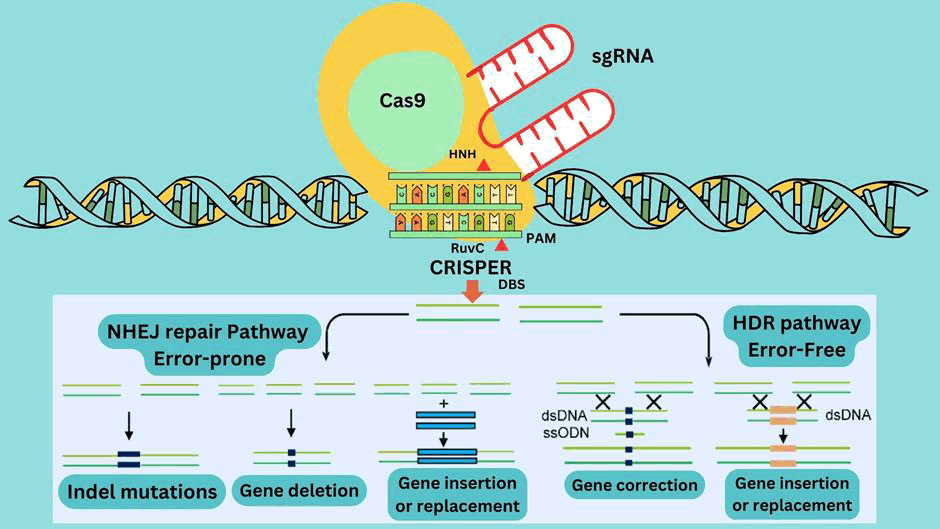
Figure 1. The potential applications of CRISPR-Cas systems in genome editing.
In instances where a homologous repair template is absent, the Non-Homologous End Joining (NHEJ) pathway is triggered at the site of the Double-Strand Break (DSB), ultimately resulting in the disruption of gene function. Numerous strategies are devised to augment the frequency of homologous recombination between a genomic target and an external homologous template donor, each aimed at optimizing the efficiency of gene editing processes. Many of these strategies focus on increasing the number of donor repair templates through the utilization of virus replicons in plant cells, strategies for enhancing homologous recombination frequency include the suppression of the Non-Homologous End Joining (NHEJ) pathway and synchronizing the induction of Double-Strand Breaks (DSBs) at target sites with the delivery of donor repair templates.
Improving vegetable crops using CRISPR-Cas9 technology
Through disruption of the native Phytoene Desaturase (PDS) gene the first needle-leaf mutant in tomatoes was produced using CRISPR-Cas9. This disruption led to a distinctive albino phenotype providing a visual indicator of successful gene editing. Numerous studies have explored its potential applications in enhancing plant resilience against biotic and abiotic stresses as well as improving fruit quality, modifying plant architecture and prolonging shelf life. CRISPR-Cas9 technology is currently under research for a range of fruits and vegetables including tomato, cabbage, mustard and watermelon showing promising potential for crop enhancement.
Many gene-editing investigations have assessed mutation efficiency based on the yield of albino plants resulting from the alteration of the native phytoene desaturase gene. Disrupting PDS hinders chlorophyll and carotenoid production, leading to a distinct albinism phenotype in plants. Nevertheless, the outcomes of gene editing achieved through this method lack economic significance. Due to its significant economic importance and the accessibility of Agrobacterium-mediated transformation, tomato has emerged as a prime crop for evaluating the applications of CRISPR-Cas9 technology (Figure 2).
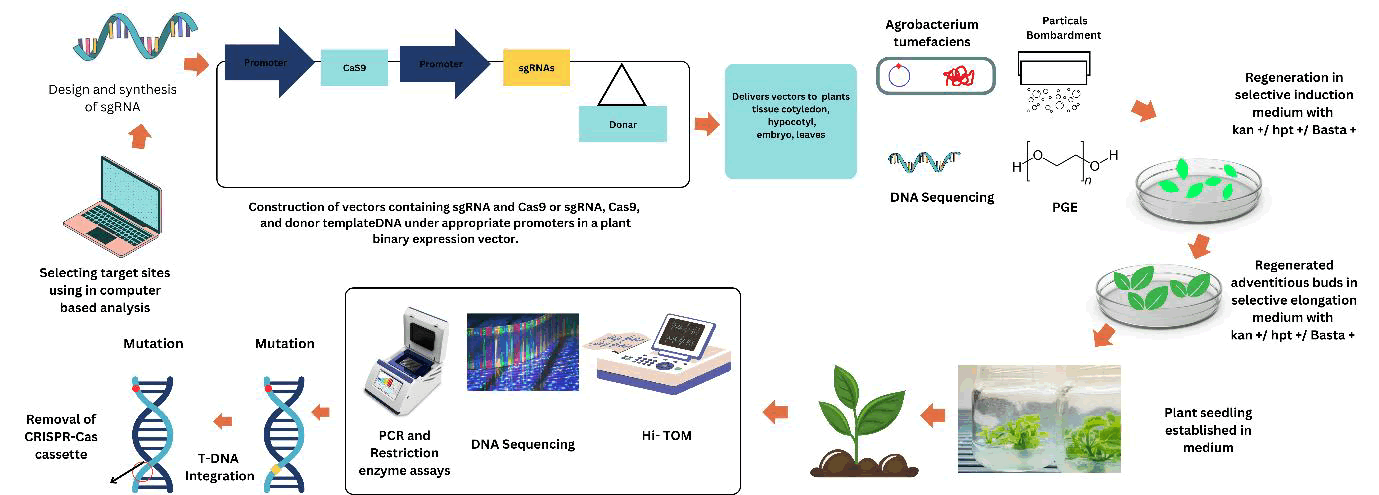
Figure 2. CRISPR-Cas9 mediated genome editing.
Revolutionary application of CRISPR/Cas9 technology
Out of all the technologies available for genome editing, CRISPR-Cas9 has emerged as the most widely adopted technology in the plant community. Its popularity stems from its remarkable efficiency, precision and ease of use, making it an ideal platform for plant biotechnology applications. Despite the rapid evolution of gene editing technologies, CRISPR-Cas9 continues to be a cornerstone of plant genome editing due to its robust performance, versatility and widespread adoption. Crops edited with CRISPR-Cas9 have shown high efficiency with up to 91.6% in rice and up to 79% in maize. The versatility and effectiveness of CRISPR-Cas9 make it a valuable tool for advancing plant genetic research and crop improvement. CRISPR-Cas9 potential as a transformative plant breeding tool has not gone unnoticed. The plant breeding community has taken a keen interest in this technology, recognizing its immense value in accelerating crop improvement and addressing global challenges in food security and sustainability. A significant portion of its popularity stems from its simplicity, allowing for easy design and its ability to multiplex, enabling the simultaneous editing of multiple loci by introducing multiple double-stranded breaks. With the use of Cas-9 technology numerous vegetable crops have been successfully modified to meet a variety of scientific objectives. These goals include elucidating the functions of specific genes and achieving various applied breeding objectives as highlighted in Table 1. By employing CRISPR, researchers have initiated breeding programs that pinpoint genes responsible for particular traits. This precision facilitates controlled crossbreeding and introgression strategies, enabling the efficient integration of desirable traits into elite germplasm. Moreover, it’s possible to directly insert novel mutations into elite germplasm, which would significantly speed up the breeding process.
The CRISPR-Cas9 system has been extensively employed to showcase it’s potential by inducing mutations in the phytoene desaturase gene in various vegetable crops. This includes successful applications in cabbage, Chinese kale, tomato and watermelon showcasing the system versatility and effectiveness in gene editing. This gene plays a crucial role in carotenoid biosynthesis, and its disruption results in an albino phenotype, serving as a visual marker for successful gene editing. The CRISPR-Cas9 mediated disruption of the Phytoene Desaturase (PDS) gene has been successful in generating albino plants which can be utilized to investigate the impact of PDS disruption on plant development and stress tolerance. Furthermore, CRISPR-Cas9 system has been leveraged to introduce desirable traits into these crops including enhanced disease resistance and improved nutritional profiles, thereby expanding its potential applications in crop improvement and breeding. Among vegetables, tomatoes have received the most extensive research attention utilizing the CRISPR-Cas9 system driven by the crops substantial economic value and the ease of genetic transformation via Agrobacterium. This has resulted in an emphasis on favorable characteristics like parthenocarpy which is greatly esteemed by consumers and holds considerable significance in processing applications. Tomatoes represent a model crop for artificial domestication through the application of CRISPR-Cas9 technology. Over years of selective breeding based on harvesting practices, cultivars with joint less fruit stems have been developed ensuring that the fruit remains attached to the plant even after maturation. This trait not only reduces post-harvest losses but also enhances the efficiency of mechanical harvesting, making tomato cultivation more sustainable and cost-effective. The CRISPR-Cas9 system utilized as a breeding tool to develop parthenocarpic tomato varieties. By precisely editing specific genes researchers can create tomato varieties that produce fruit without fertilization, leading to seedless tomatoes that can improve both yield and quality. By precisely targeting and modifying genes involved in fruit set and development researchers can create tomato varieties that set fruit without fertilization leading to improved yields and reduced dependence on pollination. Additionally, CRISP-Cas9 mediated parthenocarpy can enhance the consistency and predictability of fruit production, making it a valuable tool for tomato breeding programs. Seedless tomatoes are derived from the T0 generation of bi-allelic and homozygous SlIAA9-mutant Micro-Tom and Ailsa Craig cultivars. Seedless tomato varieties are developed from the T0 generation of bi-allelic and homozygous SlIAA9-mutant Micro-Tom and Ailsa Craig cultivars. The number of flowers which is determined by the structure of the inflorescence, has a significant impact on plant productivity. In both tomatoes and Arabidopsis, the BLADE-ON-PETIOLE genes are crucial for regulating leaf complexity and silique dehiscence. Using CRISPR-Cas9 to eliminate BOP function has been shown to alter inflorescence morphology in tomatoes potentially impacting flower production and overall yield. The CRISPR-Bop1/2/3 triple mutant exhibited accelerated flowering compared to wild-type plants, yet it displayed remarkably simplified inflorescences. This mutation highlights the crucial role of BOP1/2/3 genes in regulating inflorescence complexity and flowering time in tomatoes. The simplified inflorescences suggest that the BOP genes are essential for the proper development and architecture of tomato flowers, indicating their potential as targets for genetic manipulation to enhance flowering traits and overall plant productivity [63]. To expedite the ripening process and reduce the time it takes for tomato fruits to ripen, researchers employed CRISPR-Cas9 gene editing technology to modify key genes involved in fruit development. Specifically, they targeted the APETALA2a (AP2a), NON-RIPENING (NOR) and FRUITFULL (FUL1/TDR4 and FUL2/MBP7) genes, which play crucial roles in regulating fruit ripening. This approach involves knocking out the encoding genes for these transcription factors, which are known to regulate tomato fruit ripening in collaboration with plant hormones like ethylene and their downstream effector genes. Crop cultivation is often limited by the sensitivity of plants to photoperiod. However, manipulating genes associated with photoperiod can expedite the domestication process. By disrupting the Self-Pruning 5G (SP5G) gene, a swift flowering response is initiated, resulting in an earlier fruit harvest.
Advanced breeding strategies for improved vegetable traits
Agriculture has advanced dramatically due to genome editing's ability to precisely modify plant genomes. This breakthrough has achieved a long-standing objective of plant breeders worldwide. Vegetables are acknowledged as vital crops for human nutrition because of their high vitamin content and phytochemicals which help to prevent disease and preserve health. Vegetable crops are vulnerable to abiotic stresses such as drought, salt, flooding and nutrient shortages, as well as a host of pests and diseases caused by bacteria, fungi, and viruses. Genome editing, particularly with CRISPR-Cas9 systems has been widely used in a variety of crops. Generally, it has been employed for total knockout through certain indel mutations to determine the function of the genes to be edited or generate crops with desired characteristics.
Tomato
The archetypal vegetable crop where CRISPR-Cas9 techniques have been tested for crop enhancement is the tomato (Solanum lycopersicum L.), owing to its widespread economic relevance and readily accessible genomic resources. Targeted mutations have also been introduced into an exon and an Untranslated Region (UTR) of the Ripening Inhibitor (RIN) gene using the CRISPR-Cas9 technology. The MADS-domain transcription factor that controls the ripening of tomato fruit is encoded by this gene. CRISPR-Cas9-mediated disruption of six distinct genes in the wild tomato (Solanum pimpinellifolium) led to a tenfold increase in both fruit number and size. In functional genomics CRISPR-Cas9 has established itself as a standard technique, especially for confirming potential genes found in genome-wide association studies.
Brinjal
Enzymatic browning in Brinjal (Solanum melongena L.), caused by polyphenol oxidase activity, leads to undesirable discoloration of the fruit flesh upon exposure to air. The three PPO genes, SmelPPO4, SmelPPO5 and SmelPPO6, identified with high transcript levels post cutting play crucial roles in this process. By employing CRISPR-Cas9 based mutagenesis, researchers have targeted these PPO genes for simultaneous knockout aiming to mitigate enzymatic browning and extend the shelf life of eggplant fruits. This approach not only addresses a longstanding issue in eggplant post-harvest quality but also showcases the potential of genome editing technologies in crop improvement strategies.
Cucumber
When CRISPR-Cas9 was first utilised in cucumbers (Cucumis sativus L.), it’s primary goal was to eliminate the eukaryotic translation initiation factor 4E (eIF4E) gene in order to confer broad virus resistance. Since this gene is essential for viral replication, CRISPR-Cas9 was used to damage it in an attempt to increase cucumber resistance to viral infections. This could increase crop yields and decrease losses from viral diseases. In cucumber farming gynoecious inbred lines are prized for their higher production potential and lower labour expenses related to hand pollination. By focusing on the WPP trp/pro/pro domain Interacting Protein1 (CsWIP1) gene, CRISPR-Cas9 techniques were utilised to produce mutants of Cswip1. This gene encodes a zinc finger transcription factor that may have an impact on gynoecy-related features and is known to alter cucumber plant development. In order to improve yield and agricultural efficiency targeted mutations like these present a possible way to advance cucumber breeding efforts. Cucumber carpel formation is likely inhibited by the Cswip1 T0 mutation, as seen by the gynoecious phenotype of plants yielding solely female flowers.
Watermelon
Watermelon (Citrullus lanatus), eulogized as a "Mood Food" crop belonging to the Cucurbitaceae family, is renowned for its rich content of citrulline, vitamins and lycopene. Mutations induced by CRISPR-Cas9 in the Phytoene Desaturase (ClPDS) gene which plays a pivotal role in carotenoid synthesis resulted in the predictable albino phenotype in watermelon plants [74]. The phytosulfokine1 (ClPSK1) gene which is linked to watermelon sensitivity to Fusarium Oxysporum f. sp. Niveum (FON) infection was subjected to a knockout mutation using the CRISPR-Casp-9 technology. The watermelon seedlings' resistance to FON infection was enhanced by the loss-of-function mutant of ClPSK1. A gynoecious gene called ClWIP1 expresses itself specifically in carpel primordia seen in male flower buds. Additionally, it is linked to the termination or abortion of carpel primordia in the early stages of floral development. It has been possible to successfully create gynoecious watermelon lines by targeting the ClWIP1 gene with the CRISPR-Cas9 technology.
Lettuce
In lettuce, Cas-9 and Cpf-1 Ribonucleoproteins (RNPs) have been introduced into protoplasts using a DNA-free genome-editing method. PEG-mediated transfection was used to introduce CRISPR-Cas9 RNPs into lettuce protoplasts and the result was the regeneration of plants bearing the desired alterations. Based on the results of Phytoene Desaturase 1 (PDS1) sgRNA delivery, electroporation is more effective than PEG-mediated transfiguration for RNP delivery to protoplasts in cabbage. It's possible that less chemical toxicity is the cause of this improved efficiency.
Enhancing disease resistance with CRISPR-Cas9 genome editing
CRISPR-mediated plant engineering for disease resistance has been documented in significant vegetable crops like tomato, cassava and cucumber. The ability of these genetic loci to confer resistance against a broad range of pathogen species or strains makes broad-spectrum resistance an effective strategy for managing crop diseases. This approach not only enhances crop resilience but also reduces the need for chemical pesticides promoting sustainable agriculture. Recent advancements in genome editing have enabled precise modifications, allowing for the fine tuning of resistance traits without affecting the plant's overall growth and productivity. The powdery mildew pathogen Oidium neolycopersici was more resistant to the tomato's Powdery Mildew Resistance 4 (PMR4) knock-out lines. This suggests that PMR4 plays a crucial role in the tomatoes defence mechanism against this pathogen.
Enhancing abiotic stress resistance in vegetable crops
Vegetable crops encounter various abiotic stresses such as extreme temperatures, drought, salinity and heat all of which can significantly reduce crop productivity. Although traditional breeding techniques can mitigate stresses to a certain extent, innovative technologies like CRISPR-Cas9 offer the potential to create more resilient germplasm, enhancing the ability to cope with these stresses. CRISPR-Cas9 gene editing has accelerated the process of developing new varieties. The advent of CRISPR-Cas9 gene editing has revolutionized the speed and precision of developing new plant varieties significantly reducing the traditional breeding timeline. One such pivotal gene, Brassinazole-Resistant 1 (BZR1), is integral to diverse developmental pathways regulated by Brassinosteroids (BR), highlighting its critical role in plant growth and adaptation. Disrupting Brassinazole Resistant 1 (BZR1) function hindered the activation of Respiratory Burst Oxidase Homolog1 (RBOH1), leading to increased hydrogen peroxide (H2O2) production and enhanced heat tolerance in tomatoes. The application of exogenous H2O2 restored heat tolerance in tomato BZR1 mutants, indicating the potential for H2O2 to mitigate the effects of BZR1 disruption on heat stress response. In tomato, the SlDMR6-1 orthologue Solyc03g080190.2 exhibits up-regulation in response to infection by both Pseudomonas syringae pv. tomato and Phytophthora capsici. CRISPR-Cas9 technology was employed to knock out tomato homologous genes, inducing mutations in DMR6. This genetic modification conferred broad-spectrum resistance against pathogens such as Pseudomonas, Phytophthora and various Xanthomonas spp.
Enhancing biotic stress resistance in vegetable crops
Globally, diseases represent a major threat to vegetable crop production causing substantial economic losses and food insecurity. A sustainable approach to meeting the needs of the world's growing population with food involves the development of cultivars resistant to diseases. For centuries, traditional plant breeding has been instrumental in developing new varieties. However, modern technologies such as genome editing offer the potential to rapidly enhance varieties by precisely integrating beneficial alleles into locally adapted cultivars. In tomatoes, disrupting Solyc08g075770 using CRISPR-Cas9 resulted in increased susceptibility to Fusarium wilt disease.
Enhancing quality of vegetable crops
Fruits and vegetables are highly perishable and require advanced post-harvest technologies to ensure their storage stability and extend shelf life. CRISPR/Cas9 technology successfully employed to delete the SlAGL6 gene in tomatoes, enabling the plants to produce fruit through parthenocarpy even when subjected to high-temperature stress. This genetic modification ensured that the fruit maintained its desired weight, shape and pollen viability. Lycopene, an essential plant nutrient prized for its powerful antioxidant benefits, shields cells from oxidative stress. Researchers have amplified lycopene accumulation in tomato fruit by suppressing select genes in the carotenoid pathway using CRISPR/Cas9 technology. This approach led to a remarkable 5.1-fold increase in lycopene levels, underscoring CRISPR/Cas9's efficacy in enhancing nutritional content with minimal genetic disruption and reliable inheritance. Enhancing potato starch quality for various food applications has been successfully achieved through CRISPR-mediated genome editing. This approach involved fully knocking out genes such as Granule-Bound Starch Synthase (GBSS), Starch Synthase (SS6) and Starch-Branching Enzymes (SBEs) like SBE1 and SBE2. These genetic modifications have resulted in improved starch characteristics, showcasing CRISPR technology's potential to customize potato starch properties to suit diverse industrial and culinary requirements. CRISPR-Cas9 technology has been used in brinjal to remove the Three-Polyphenol Oxidase (PPO) genes SmelPPO4, SmelPPO5 and SmelPPO6, which cause enzymatic browning in the fruit flesh.
Enhancing herbicide resistance of vegetable crops
Vegetable farming faces a significant obstacle from weeds which can reduce both crop yield and quality. Selective herbicides are commonly utilized to effectively manage weed growth during cultivation. The application of CRISPR-Cas9 technology has been used to alter the Acetolactate Synthase (ALS) gene in crops such as tomato, watermelon, soybean and potato improving herbicide resistance and ensuring plant health and productivity. The CRISPR-Cas9 technology was used to modify Carotenoid Dioxygenase 8 (CCD8), an essential enzyme in the carotenoid synthesis pathway that produces strigolactone in tomatoes. Furthermore, More Axillary Growth1 (MAX1) which plays a role in strigolactone synthesis, was also targeted. These genetic alterations led to a significant decrease in the Strigolactone (SL) content in tomatoes, resulting in the development of plants that are resistant to Phelipanche aegyptiaca, a parasitic plant. Recently, the effectiveness of sgRNA in editing the herbicide-related genes pds, ALS, and EPSPS in tomatoes was evaluated utilising the CRISPR/Cas system. ALS2 P and ALS1 W sgRNAs successfully edited 19 transgenic tomato confirming the successful targeting and transformation. Of them, two tomato showed three-base alterations that might confer resistance to herbicides this underscores the accuracy and potency of CRISPR/Cas technology in agricultural genetic manipulation.
Challenges of application of CRISPR-Cas genome editing
The use of CRISPR-Cas9 technology for genome editing has significantly transformed the creation of various germplasm resources by utilizing knowledge obtained from whole genome sequencing and functional genomics research in fruits and vegetable crops. Gene-editing technology significantly influences the modification of gene expression in plants, albeit potentially restricting their ability to adapt. Hence, it is essential to have efficient and specific control over gene functions in order to achieve accurate genome editing. Cis-Regulatory Elements (CREs) play a vital role in controlling gene transcription and are comprised of noncoding DNA sequences. Changes such as mutations, insertions, deletions, inversions and epigenetic modifications within CREs are strongly associated with crop domestication. The CRISPR-Cas system has proven to be an efficient tool for causing mutations in promoter regulatory regions, leading to the creation of different alleles with different phenotypes. These alleles are important genetic assets in breeding initiatives, making it easier to produce crops with specific characteristics. After identifying a target gene, the next important hurdle is to effectively transport CRISPR-Cas gene-editing agents into plant cells and then regenerate the potentially edited plants. The efficiency of genetic transformation in vegetable crops depends on multiple factors, such as the quantity and GC content of sgRNA the expression levels of sgRNA and Cas9 and the secondary structure of paired sgRNA and target sequences. These factors are essential in influencing the precision and effectiveness of CRISPR-Cas gene editing in agricultural settings. The current challenges in genome editing for vegetable crops are expected to be effectively addressed with the emergence of strategies due to the vast potential of this technology.
CRISPR-Cas9 technology has emerged as a transformative tool for advancing vegetable crop improvement, addressing challenges posed by biotic and abiotic stresses, and enhancing crop yield, quality and resilience. Its precision and efficiency allow targeted modifications to key genes, enabling the development of traits such as disease resistance, improved nutritional profiles and prolonged shelf life. The adaptability of CRISPR-Cas9, particularly in model crops like tomatoes, highlights its versatility and potential to revolutionize plant breeding.
The integration of CRISPR-Cas9 into vegetable crop breeding has yielded significant milestones, including the development of seedless tomato varieties, enhanced resistance to pathogens and optimized fruit ripening processes. Additionally, its application extends to crops like brinjal and cucumber, where traits like reduced browning and virus resistance have been successfully achieved. These advancements not only address pressing agricultural challenges but also contribute to global food security and sustainability.
Looking forward, the continued refinement of CRISPR-Cas systems, coupled with supportive regulatory frameworks, will further accelerate the commercialization and acceptance of gene-edited crops. As a cornerstone of modern biotechnology, CRISPR-Cas9 holds immense promise in meeting the demands of a growing population while promoting sustainable agricultural practices.
The authors affirm that they have no known conflicting financial interests or personal relationships that could have appeared to influence the work described in this research paper.
[Crossref] [Google Scholar] [PubMed]
[Crossref] [Google Scholar] [PubMed]
[Crossref] [Google Scholar] [PubMed]
[Crossref] [Google Scholar] [PubMed]
[Crossref] [Google Scholar] [PubMed]
[Crossref] [Google Scholar] [PubMed]